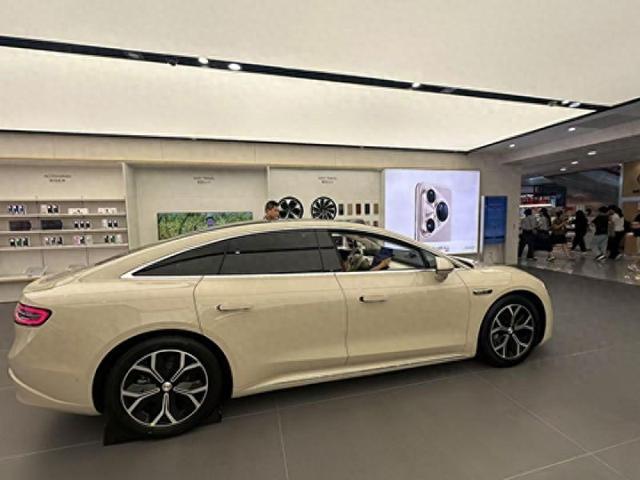
手机销售

Search documents
别让手机店变免费“网吧”
Xin Lang Cai Jing· 2026-01-22 18:09
Core Viewpoint - The phenomenon of mobile phone stores becoming a place for children to play games, bypassing restrictions, raises concerns about the impact on minors' health and the effectiveness of existing regulations [1][2][3] Group 1: Mobile Store Practices - Many mobile phone stores allow children to play games on display devices, often equipped with features that bypass age restrictions [2] - Some stores intentionally provide devices with pre-installed games and do not activate parental controls, prioritizing store traffic over children's well-being [2] Group 2: Regulatory and Parental Responsibilities - Regulatory bodies need to conduct thorough inspections of mobile stores during peak times for children and enforce compliance with existing laws to prevent minors from accessing games [3] - Parents are encouraged to take an active role in monitoring their children's phone usage and to create a balanced schedule of activities to reduce dependency on mobile devices [3] Group 3: Industry Accountability - Mobile phone brands and stores share responsibility for protecting minors, as outlined in the Minor Protection Law, and should enhance training and supervision of staff to ensure compliance [2] - There is a need for a collaborative effort among parents, mobile brands, and regulatory agencies to effectively address the issue of minors' gaming addiction [2][3]
多机构表态推进,4S店、手机店着手调整策略,消费贴息落地准备紧锣密鼓
Hua Xia Shi Bao· 2025-08-15 07:40
Core Viewpoint - The implementation of personal consumption loan interest subsidy policies aims to stimulate consumer spending and support service industry loans, with a focus on reducing consumer costs and enhancing consumption willingness [2][6][14]. Group 1: Policy Details - The "Personal Consumption Loan Interest Subsidy Policy" and "Service Industry Operating Entity Loan Interest Subsidy Policy" were released on August 12, detailing support scope, subsidy standards, and loan processing institutions [2][6]. - The subsidy will cover various consumer expenditures, including small loans for daily life and larger purchases like cars and home renovations, with a maximum subsidy of 500 yuan per single loan [6][7]. - The subsidy rate is set at 1%, with the central government covering 90% of the subsidy costs and provincial governments covering 10% [6][7]. Group 2: Financial Institutions' Response - Major banks, including China Bank, Industrial and Commercial Bank, and Agricultural Bank, have announced plans to implement the subsidy policy starting September 1, 2025, adhering to market-oriented and legal principles [10][11]. - A total of 23 financial institutions, including state-owned and national commercial banks, are designated as loan processing entities for the subsidy [9][10]. Group 3: Market Reactions - Retailers, such as car dealerships and electronics stores, are adjusting their sales strategies in anticipation of the subsidy, with some offering lower down payments to attract customers [3][4]. - Consumer sentiment is positive, with potential buyers expressing interest in how the subsidy could reduce loan costs and enhance their purchasing power [3][4]. Group 4: Economic Impact - The subsidy policy is expected to lower consumer credit costs, thereby alleviating repayment pressures and enhancing consumer capacity, which may lead to a shift in consumption patterns towards higher-quality goods and services [14][16]. - The policy is seen as a lever to stimulate related industries, potentially driving economic growth through increased consumer spending [14][16].