
智能宠物用品

Search documents
100万只猫上厕所,让他年入过亿
虎嗅APP· 2026-03-02 13:52
Core Viewpoint - The article discusses the challenges and strategies of CATLINK, a Chinese smart cat litter box brand, in navigating the competitive landscape of the global market, particularly in the face of price wars and the influx of white-label products. It emphasizes the need for differentiation through service and technology, as well as the importance of adapting to local markets while maintaining a global vision [4][9]. Group 1: Market Overview - The global market for smart cat litter boxes is projected to reach approximately $1 billion by 2024, with a growth rate of 10% to 13% over the next 3-5 years [5]. - CATLINK, founded in 2017, quickly gained traction in this niche, achieving sales of 10 million yuan within four months of launching its first product in 2019 and expanding its business to 119 countries, serving over 1 million cats globally [6]. Group 2: Competitive Landscape - CATLINK faced significant competition as many white-label brands entered the market, offering similar products at half the price, leading to a price war that compressed profit margins for established brands [7][30]. - The brand's initial success was challenged by the need to transition from a one-time sale model to a long-term service provider, focusing on customer experience and technological differentiation [8][9]. Group 3: Strategic Approach - CATLINK adopted a phased market entry strategy, starting with Southeast Asia, followed by Japan and South Korea, and finally targeting North America, using different pricing and channel strategies tailored to each region [16][19]. - In Southeast Asia, CATLINK utilized an exclusive agency model, allowing local partners to set prices based on market understanding, which resulted in prices being 2.5 to 3 times higher than in China [20][24]. Group 4: Product Development and Innovation - The company emphasized the importance of integrating IoT technology into its products, allowing for features like multi-cat recognition and health monitoring, which set it apart from competitors [14]. - CATLINK plans to launch two new models, targeting both high-end and entry-level markets, with the aim of increasing market penetration and profitability [42][44]. Group 5: Response to Market Challenges - In response to the price war and increased competition, CATLINK shifted its focus on maintaining profitability rather than competing for market share on platforms like Amazon, viewing it as a cash flow channel [40][41]. - The company is also leveraging the presence of white-label products as a means to educate the market and potentially convert customers to its brand after they experience issues with lower-quality alternatives [39].

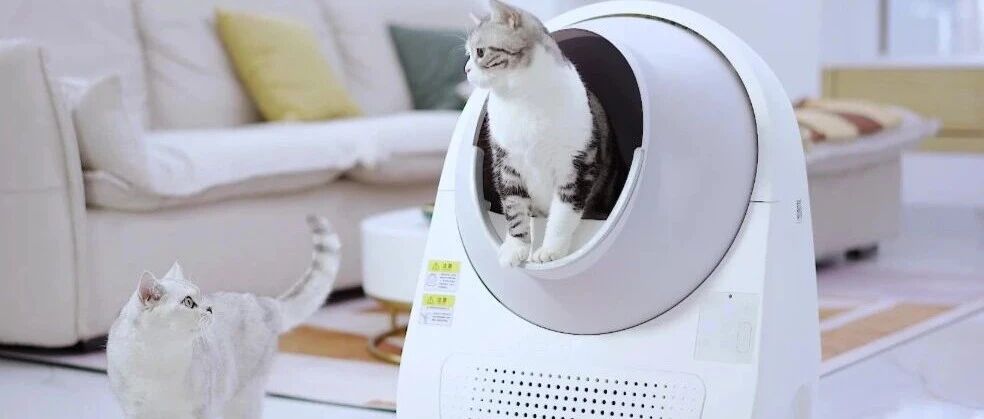
当萌宠遇上智能科技
Ren Min Ri Bao Hai Wai Ban· 2025-10-16 23:02
Core Viewpoint - The pet smart products market is rapidly expanding, driven by evolving consumer needs for enhanced pet care, emotional companionship, and health monitoring, creating new investment opportunities in the industry [7][13][15]. Group 1: Market Trends and Consumer Behavior - Smart pet products are increasingly entering households, with features like automatic feeders and health monitoring systems gaining popularity among pet owners [7]. - The new generation of pet owners is shifting their focus from merely feeding pets to providing emotional companionship and quality living, which opens up more opportunities for smart pet products [13]. - Companies are recognizing the need to adapt their products to meet the specific demands of different pet types, such as reptiles and birds, indicating a trend towards personalized pet care solutions [15]. Group 2: Company Innovations and Developments - Pet smart companies like Peterton are innovating by integrating air purification technologies into their products to address common issues like odor control in pet environments [8][9]. - Enabot is developing interactive pet companion robots that allow for remote interaction and monitoring, enhancing the emotional connection between pets and their owners [11][12]. - Companies are focusing on building a complete ecosystem of pet care products, moving from single product sales to interconnected solutions that provide comprehensive health and wellness services for pets [15][16]. Group 3: International Market Expansion - Enabot has successfully expanded its user base to over 1 million globally, with 60% of its revenue coming from international markets, highlighting the potential for overseas growth [17]. - Companies are adapting their products for different international markets by considering local consumer preferences and environmental conditions, such as humidity control in Southeast Asia [17].
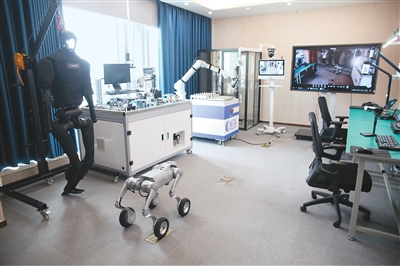
AI赋能 消费焕新
Zhong Guo Qing Nian Bao· 2025-04-29 01:12
Group 1: AI in Consumer and Manufacturing Sectors - AI is transforming consumer experiences by understanding personal feelings and preferences, leading to more personalized interactions in smart vehicles [1] - The integration of AI in CNC machines is enhancing their capabilities, allowing them to learn and improve processing efficiency and precision [2] - The Chinese manufacturing sector is positioned for a significant transformation towards intelligent manufacturing, with a notable increase in its global manufacturing value added from 20% in 2010 to an expected 34% in 2024 [2] Group 2: Emerging Consumer Trends - There is a shift in consumer preferences towards emotional value and quality-price ratio, driven by an aging population and smaller family units [5] - Young consumers are increasingly investing in experience-oriented products and services, with a focus on personal growth and lifestyle [6] - The demand for smart home appliances is rising, with sales expected to double in 2024, as these products free up time for consumers to engage in family and personal interests [6] Group 3: Future of Consumption - The "Artificial Intelligence+" initiative aims to promote the development and application of new technologies in various sectors, including autonomous driving and smart wearables, to create high-growth consumption opportunities [7] - The evolving consumer landscape, driven by digital natives, is expected to reshape the consumption ecosystem, impacting various industries from education to healthcare [7]