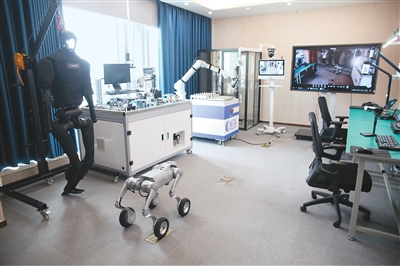
宠物陪伴机器人

Search documents
AI硬件3个一线信号,决定谁能活过2026
虎嗅APP· 2026-01-30 10:57
Core Insights - The article emphasizes a significant shift in the AI hardware industry, indicating that only products that solve specific problems and have user willingness to pay will survive post-capital frenzy [9][12]. Market Opportunities - Focusing on specific, high-frequency, and payable pain points is more viable than creating "all-powerful" products, leading to a division between opportunity zones and concept zones [11]. - Products like AI recording pens, smart translation headphones, and pet companionship robots represent "AI enhancement of traditional categories," providing immediate and perceivable value [12]. - The AI recording and audio efficiency hardware are identified as core opportunity points for 2026, with examples like the iFlytek headphones addressing business and academic needs [12]. - The pet companionship robot market is characterized by a young female consumer base, but faces challenges due to severe functional homogeneity [13]. - A more complex product design combining robotics and emotional feedback is suggested as a way to differentiate in the pet market [13][15]. Concept Zone - General-purpose humanoid robots and all-functional AI office assistants remain in the conceptual exploration phase, often failing to meet real needs due to high costs and unclear applications [16]. - The necessity of independent AI office devices is questioned, with a potential future shift towards an "AI hub + multiple smart terminals" model [16]. Cost Control - Effective cost control is essential for profitability, with a focus on managing hardware costs, particularly motors and sensors [18]. - The current limitation is not computational power but rather the cost of hardware components, with a recommendation to utilize cost-effective domestic models [18]. - Companies must either incorporate AI functionality costs into hardware pricing or adopt a subscription model to align price and cost [19]. - The supply chain landscape is evolving, with smaller teams facing challenges in assembly and needing to innovate in branding and market positioning [20]. - The growth of domestic AI chips is driven by government and market demands, influencing the technology choices of hardware manufacturers [21]. Commercial Validation - 2026 is highlighted as a pivotal year for commercial validation in AI hardware, where success will be measured by tangible business results rather than flashy concepts [23]. - Sales data, including monthly sales and shipment volumes, are becoming essential metrics for industry players [24]. - A balanced approach between technology and sales is recommended, with a focus on practical applications and market feedback to refine products [25]. - The prevailing business model for AI hardware is expected to be a combination of one-time hardware purchases and subscription-based AI services [26]. Conclusion - The article concludes that the future winners in the AI hardware space will be those who can clearly articulate the specific problems they solve, why users will pay for solutions, and their competitive advantages [28].

当大家都在拍人形机器人视频时,科沃斯选择了一条更寂寞、也更确定的路
3 6 Ke· 2026-01-20 01:07
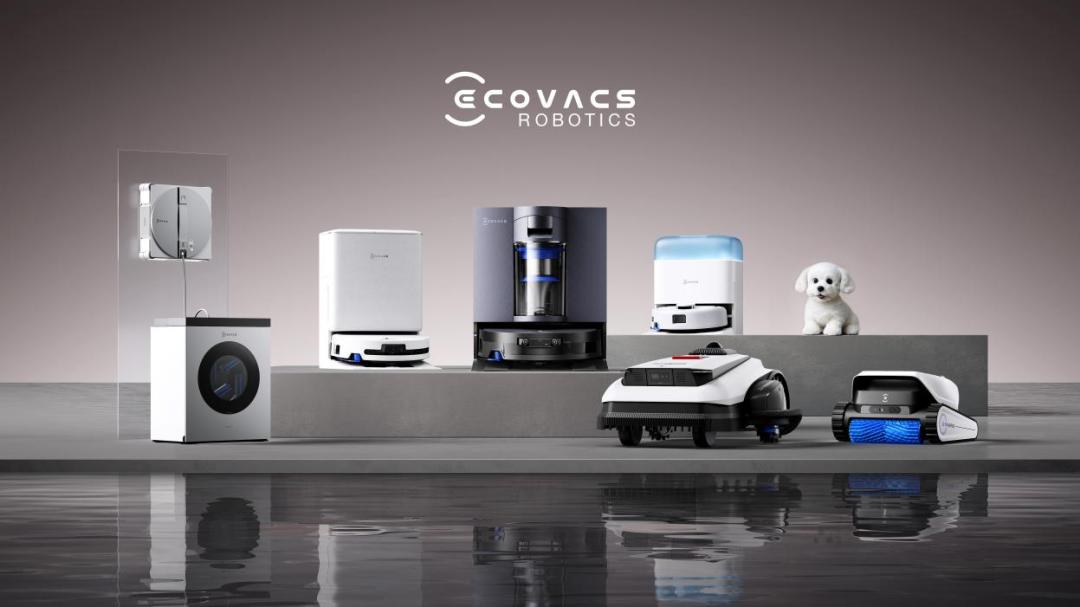
Core Insights - The 2026 CES showcased a significant presence of humanoid robot manufacturers, particularly from China, indicating a shift from mere demonstrations to practical applications in household settings [1] - Companies like Ecovacs are focusing on practical solutions for everyday tasks rather than grand concepts, presenting a family of service robots that address specific household needs [2][3] Group 1: Company Strategy - Ecovacs is redefining its brand by emphasizing a comprehensive product matrix rather than focusing on individual standout products, showcasing a range of robots for various household tasks [4][6] - The company is transitioning from a focus on cleaning to a broader service-oriented approach, aiming to create a family of robots that can handle multiple household chores [7][12] - Ecovacs' new brand philosophy, "Created for Ease," highlights the goal of simplifying consumers' lives by saving time and effort through automation [7][11] Group 2: Product Development - The latest product, the Deebot X12, represents a shift towards robots that not only automate tasks but also possess advanced capabilities for understanding and responding to different cleaning needs [9][11] - The Deebot X12 utilizes AI and sensor technology to identify dirt levels and adapt cleaning strategies accordingly, moving beyond basic navigation and obstacle avoidance [11][12] - Ecovacs is leveraging its engineering expertise to ensure that its robots are not just one-off products but part of a scalable system that can be applied across various household tasks [13][15] Group 3: Market Positioning - The company is strategically avoiding the trend of humanoid robots, instead focusing on specialized robots that excel in specific tasks, thereby enhancing efficiency and reliability in household chores [16][21] - Ecovacs believes that the future of robotics lies in creating a division of labor among different robot types, each optimized for particular tasks, rather than trying to create a single, all-encompassing robot [8][20] - The introduction of a pet companion robot signifies Ecovacs' exploration into emotional and interactive aspects of robotics, aiming to integrate robots into family life beyond mere functionality [18][20]

具身泡沫收缩,机器人ChatGPT时刻还没到|虎嗅CES 2026讨论会
虎嗅APP· 2026-01-09 13:31
Core Insights - The article emphasizes a shift in the AI hardware industry towards practical applications and commercialization, moving away from grand narratives of universal robots to specialized solutions [6][7][10]. Group 1: Market Trends - The consensus at CES 2026 is that the "bubble is shrinking," with companies focusing on vertical scenarios rather than one-size-fits-all solutions [8]. - Companies are abandoning humanoid robots in favor of specialized devices, such as wheeled robotic arms and folding machines, indicating a trend towards smaller, cost-effective solutions [9]. - The introduction of home robots priced below 10,000 yuan is expected to lower industry entry barriers, exemplified by products like the remote-free home robot dog [9]. Group 2: Companion Robots - The companion robot market is becoming increasingly competitive, with a clear distinction emerging among survivors: those with precise product definitions, high technical barriers, or innovative forms like flying companions [12]. - The emotional value of companion robots is being engineered and quantified, with design principles being applied to create a sense of "life" in robotic movements [13]. - Companion robots are positioned not as replacements for pets but as alternatives for those who desire the emotional benefits of pet ownership without the responsibilities [13]. Group 3: Supply Chain Dynamics - The dominance of Chinese manufacturers at CES highlights a significant shift in the global supply chain, with the "East rising and West falling" narrative becoming increasingly evident [15]. - The efficiency of the Chinese supply chain allows for rapid hardware iteration, contrasting with the slower pace of Western teams reliant on Chinese components [15][17]. - The geographical concentration of manufacturing in regions like Dongguan provides a competitive advantage that is difficult to replicate [17]. Group 4: AI Glasses Market - The AI glasses market is characterized by intense competition, with various manufacturers vying for a share, but large companies are expected to dominate due to their supply chain capabilities [19][20]. - For AI glasses to achieve mass commercialization, they must excel in multiple areas such as weight, battery life, interaction, display, computation, and price, which is currently not the case [20]. - Opportunities still exist for startups in niche verticals, such as professional sports and industrial inspections, despite the competitive landscape [20]. Group 5: Future Outlook - The discussion among industry leaders indicates a growing focus on emotional needs, particularly in the companion robot sector, which targets a significant market of individuals seeking companionship [22]. - The transition from theoretical technology to practical engineering solutions is underway, with B2B applications likely to see commercialization before broader consumer adoption [22]. - The article concludes that the industry is shifting from questioning the feasibility of technology to evaluating the market value of products, marking a significant change in focus [25].

LKK洛可可贾伟:在宠物经济品类中,要么做第一、要么做唯一
Xin Lang Cai Jing· 2025-12-27 07:23
Group 1 - The core viewpoint of the article emphasizes the growth potential of the pet economy, which has a total market value of 300.2 billion, with urban pet owners expected to reach 76.89 million by 2024 and the total number of pets in China reaching 124 million [2] - The speaker, Jia Wei, highlights the importance of emotional value in the post-industrial era, contrasting it with the functional value of the industrial era, suggesting that businesses in the pet economy should aim to be either the leader or the unique player in their niche [2] - Jia Wei advocates for a user-centered approach in the pet industry, focusing on achieving a synergy between category, product, and brand to create a flywheel effect that leads to becoming a category champion [2] Group 2 - Jia Wei introduces the concept of "two strengths and one heart" in the pet economy, where "scene strength" refers to the need to focus on various scenarios such as travel, personal care, entertainment, home, and healthcare, leading to category differentiation [3] - The second strength, "technology strength," emphasizes the role of technology in enhancing the human-pet relationship, such as through pet companion robots that provide various functionalities and help build a pet ecosystem [3] - The "heart" aspect signifies the emotional connection in the pet industry, which is described as a healing economy, where the ultimate goal is to manage the emotional contract between humans and animals, indicating that the more love invested, the more developed the industry becomes [3]

AI 陪伴的狂欢与隐忧,2025 年谁在裸泳?
3 6 Ke· 2025-10-24 09:39
Core Insights - The AI companionship hardware market is rapidly growing, with significant investments and innovations, particularly in AI toys, which are becoming the fastest-growing category in this sector [1][3][5] - Despite the growth, there are challenges such as high prices, consumer dissatisfaction, and the need for sustainable profit models [1][2][3] - The market is witnessing a shift from wearable AI devices to AI toys, with sales figures indicating a substantial increase in demand [5][6][9] Industry Overview - As of early 2025, there are approximately 117 companies involved in AI hardware, with around 70% based in China [3] - The global smart companionship market is projected to reach $28.19 billion in 2024, with a compound annual growth rate of 30.8% from 2025 to 2030 [3] - AI toys are experiencing a sales surge, with platforms like JD reporting a sixfold increase in sales in the first half of 2025 [5][6] Company Developments - Finnish company Oura raised $200 million in Series D funding, achieving a valuation of $5.2 billion and annual sales of $500 million [1] - Domestic company Yue Ran Innovation's AI toy BubblePal sold 250,000 units in under a year, generating over $10 million in revenue [1][5] - Major tech companies are investing heavily in AI companionship hardware, with OpenAI acquiring a startup for $6.5 billion and ByteDance developing AI toys [4][5] Market Dynamics - The cost of AI toy components is low, with chips costing between $1 to $3, allowing for high profit margins [7][9] - The AI companionship software market is also evolving, with a decline in popularity for certain applications and a shift towards more practical uses [15][17] - The market is becoming saturated, leading to a survival of the fittest scenario where larger companies dominate while smaller firms struggle [21][24] Future Trends - The AI companionship sector is diversifying into four main areas: educational companionship, elderly companionship, household assistance, and medical companionship [10][11] - The educational AI companionship market is particularly crowded, with over 20 products currently available [12] - There is a growing trend towards integrating adult content and practical applications in AI companionship software to attract users [18][19][27]

当萌宠遇上智能科技
Ren Min Ri Bao Hai Wai Ban· 2025-10-16 23:02
Core Viewpoint - The pet smart products market is rapidly expanding, driven by evolving consumer needs for enhanced pet care, emotional companionship, and health monitoring, creating new investment opportunities in the industry [7][13][15]. Group 1: Market Trends and Consumer Behavior - Smart pet products are increasingly entering households, with features like automatic feeders and health monitoring systems gaining popularity among pet owners [7]. - The new generation of pet owners is shifting their focus from merely feeding pets to providing emotional companionship and quality living, which opens up more opportunities for smart pet products [13]. - Companies are recognizing the need to adapt their products to meet the specific demands of different pet types, such as reptiles and birds, indicating a trend towards personalized pet care solutions [15]. Group 2: Company Innovations and Developments - Pet smart companies like Peterton are innovating by integrating air purification technologies into their products to address common issues like odor control in pet environments [8][9]. - Enabot is developing interactive pet companion robots that allow for remote interaction and monitoring, enhancing the emotional connection between pets and their owners [11][12]. - Companies are focusing on building a complete ecosystem of pet care products, moving from single product sales to interconnected solutions that provide comprehensive health and wellness services for pets [15][16]. Group 3: International Market Expansion - Enabot has successfully expanded its user base to over 1 million globally, with 60% of its revenue coming from international markets, highlighting the potential for overseas growth [17]. - Companies are adapting their products for different international markets by considering local consumer preferences and environmental conditions, such as humidity control in Southeast Asia [17].