汽车及运输设备

Search documents
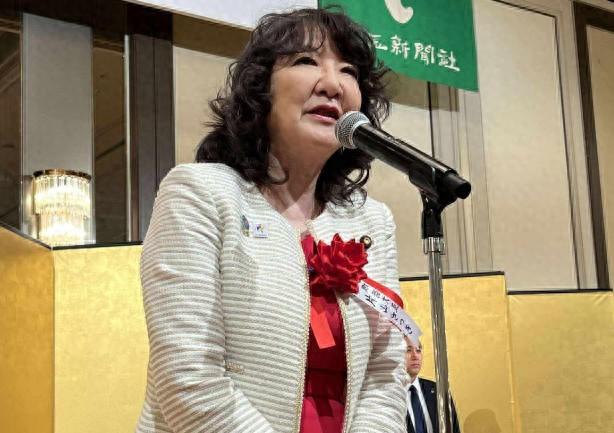
日本要去“叫家长”:美日要剥夺中国稀土“武器化”能力
Guan Cha Zhe Wang· 2026-01-10 02:02
Core Viewpoint - Japan is seeking to establish a rare earth supply chain in collaboration with the US and Europe, aiming to reduce its dependence on China and counteract China's influence in the rare earth market [1][5]. Group 1: Japan's Actions and Statements - Japanese Finance Minister Shunichi Suzuki announced plans to visit the US to discuss critical mineral issues with counterparts from "democratic countries" [1]. - Suzuki expressed concerns about Japan's reliance on Chinese rare earths, stating that without action, China would continue to pose a threat to Japan's economy [1][5]. - The Japanese government aims to create a rare earth market composed of "normal democratic countries and market economies" [1]. Group 2: China's Response and Economic Impact - China has implemented export controls on dual-use products to Japan and initiated anti-dumping investigations on certain Japanese imports [5]. - Analysts estimate that if China restricts rare earth exports to Japan for three months, it could result in a loss of approximately 660 billion yen, impacting Japan's nominal and real GDP by 0.11% [7]. - If the restrictions last for a year, the losses could escalate to 2.6 trillion yen, leading to a 0.43% decrease in GDP [7]. Group 3: Broader Implications and Market Reactions - The G7 countries, including Japan, have not abandoned plans to intervene in rare earth pricing, with discussions about setting a price floor and imposing tariffs on Chinese exports [2]. - UBS analysts noted that if rare earths are included in trade restrictions, the impact would be widespread, particularly affecting the automotive, electronics, and precision instruments sectors [7]. - Japan's reliance on Chinese heavy rare earths for electric vehicle motors is nearly 100%, indicating significant vulnerability to supply disruptions [7].