稀土价格下限

Search documents
特朗普签署政令:180天最后通牒震动全球 ,盟友不帮忙就加税!
Sou Hu Cai Jing· 2026-01-17 06:43
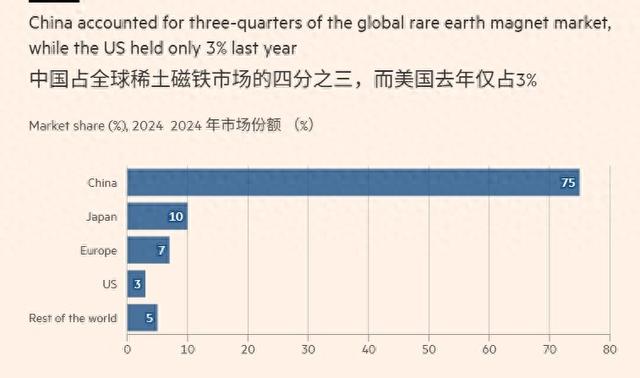
Group 1 - The core message of the announcement is that countries must sign critical mineral agreements with the U.S. within 180 days, or face high tariffs and quota restrictions, primarily targeting China [1][3] - The U.S. is heavily reliant on imports for 12 critical minerals and has a net import dependency of over 50% for an additional 29 minerals, indicating a significant gap in domestic processing capabilities [1][3] - The announcement emphasizes the need for supply chain diversification to avoid over-reliance on potentially coercive sources, specifically pointing towards China [3][7] Group 2 - The proposed price floor for rare earths aims to prevent China from using low prices to undermine other countries' rare earth industries, but it raises concerns about increased manufacturing costs for the EU and India [5][7] - China holds the largest global rare earth reserves, approximately 44 million tons, accounting for 34%-48% of total global reserves, and is projected to produce 69.2% of the world's rare earths in 2024 [7][8] - China dominates the rare earth processing industry, controlling over 90% of the global rare earth refining capacity, which poses a challenge for countries like the U.S. and Australia that lack complete supply chains [8][12] Group 3 - The U.S. company MP Materials, the largest rare earth producer in the U.S., reported a net loss of over $65 million for 2024 and faces significant debt, highlighting the challenges in establishing a domestic supply chain [12][14] - The U.S. military's reliance on rare earths is substantial, with 87% of the supply chain for 153 active and in-development military systems dependent on Chinese rare earths [14][16] - The establishment of a stable critical mineral supply chain independent of China is projected to take at least 10 years, as even major producers like Australia's Lynas still depend on China for refining [16][18] Group 4 - European countries are focusing on developing recycling technologies for rare earths, with companies like Germany's Heraeus and France's Carmag investing in facilities to recover rare earths, although the quality and quantity of recycled materials may not match newly mined resources [18]

特朗普给盟友下令:180天打破中国稀土垄断,不然加税
Guan Cha Zhe Wang· 2026-01-15 07:51
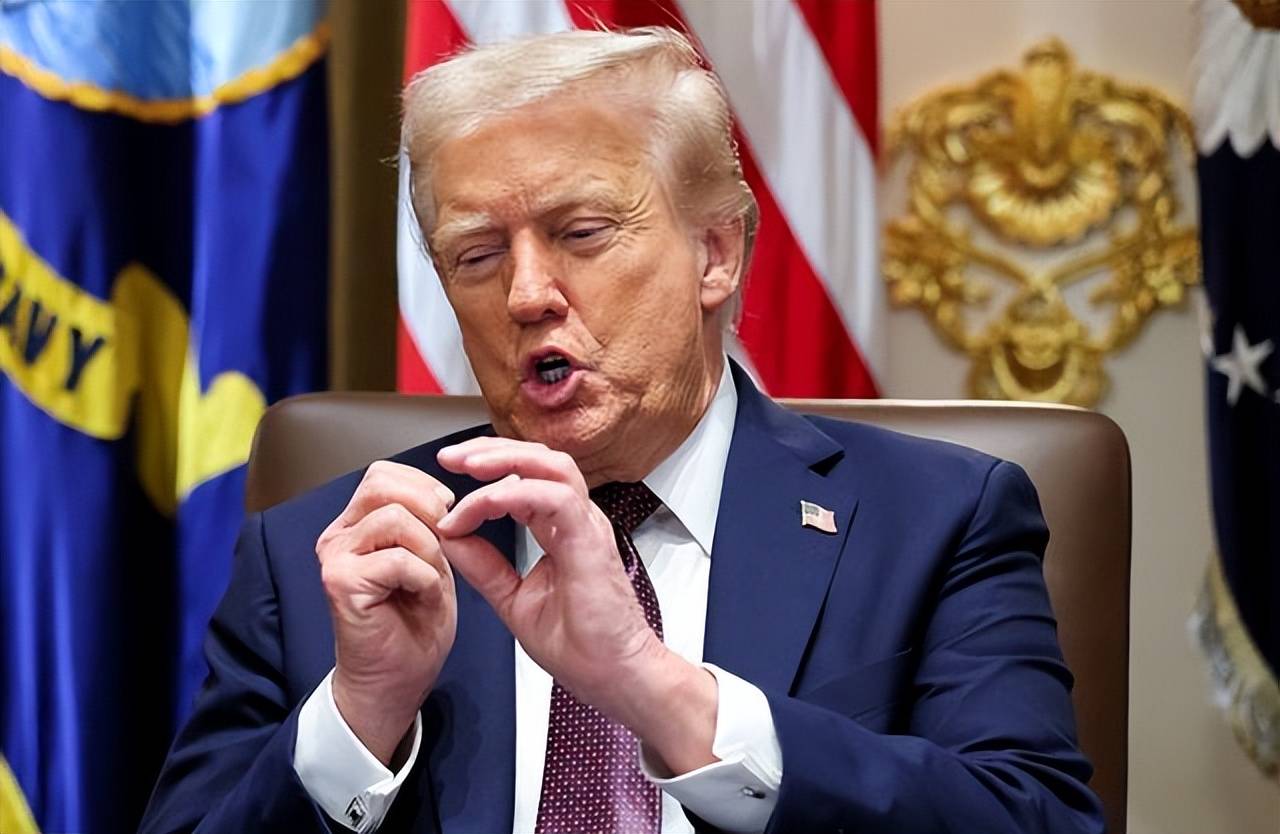
Core Viewpoint - The U.S. aims to reduce its dependence on Chinese rare earths by leveraging alliances, but employs unilateral tactics such as tariffs and deadlines to pressure global suppliers [1][3]. Group 1: U.S. Policy and Strategy - President Trump signed a presidential proclamation on January 14, emphasizing the need for negotiations with global suppliers to secure key mineral agreements, threatening new trade barriers if agreements are not reached [1][3]. - The proclamation highlights that the U.S. relies entirely on imports for 12 key minerals and has over 50% net import dependence for an additional 29 minerals, posing a national security risk [3][4]. - The U.S. Department of Commerce concluded that this reliance makes critical sectors vulnerable to supply disruptions and price volatility, necessitating a secure supply chain for key minerals [3][4]. Group 2: International Collaboration and Supply Chain Diversification - The announcement did not specify demands from allies but emphasized the need for supply chain diversification away from potentially coercive sources, encouraging investment in non-Chinese facilities [4][8]. - The U.S. is increasing collaboration with allies such as Australia, Malaysia, Indonesia, and Vietnam to establish alternative supply chains, with a focus on local production and supplier diversification [8][9]. - The G7 and EU are reportedly considering setting a price floor for rare earths and imposing tariffs on certain Chinese exports, which may pressure countries like the EU and India [9][10]. Group 3: Market Dynamics and Future Outlook - The U.S. aims to create a resilient supply chain for critical minerals through negotiations, with a 180-day deadline for binding agreements, after which remedial measures may be implemented [3][6]. - Experts suggest that establishing a stable supply chain independent of China could take at least a decade, indicating a long-term challenge for the U.S. [8][9].

德国财长找补:给稀土设置价格下限,不是对抗中国
Sou Hu Cai Jing· 2026-01-13 03:14
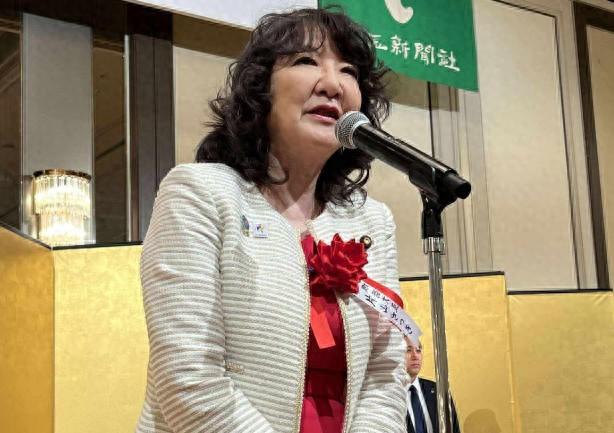
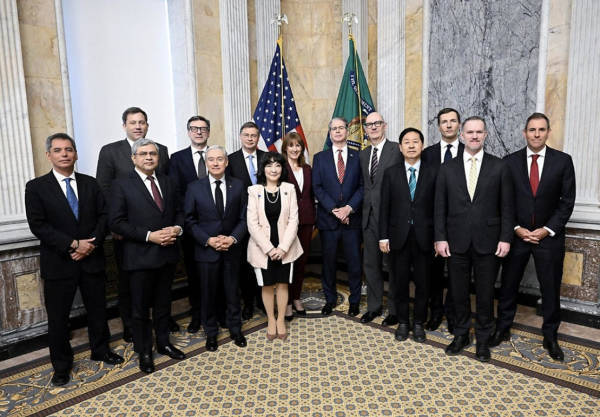
Group 1 - G7 countries are intensifying discussions on establishing a price floor for rare earth elements to reduce dependence on China, especially after recent retaliatory measures from China against the US and Japan [1][2] - The G7 finance ministers, led by US Treasury Secretary Janet Yellen, discussed mechanisms for minimum pricing of critical raw materials and the formation of trade alliances during a high-level meeting [1][5] - The meeting highlighted the urgency for G7 nations to collaborate on securing strategic rare earth supplies, with a focus on reducing reliance on China [1][5] Group 2 - Germany's Finance Minister Lars Klingbeil emphasized that the proposed price floor mechanism would provide clear market price expectations and weaken the influence of countries attempting to manipulate market prices [1][2] - The discussions are still in early stages, with many unresolved issues, and future negotiations will involve foreign and energy ministers [2] - The US is pushing for accelerated solutions to rare earth supply issues, but other G7 countries have shown less urgency, leading to frustration from US officials [5][7] Group 3 - The US has signed a key minerals cooperation agreement with Australia, valued at $8.5 billion, aimed at breaking China's dominance in the sector [6] - Recent Chinese export restrictions on rare earths to Japan could significantly impact Japanese manufacturers, who are heavily reliant on Chinese supplies for electronics and semiconductors [7] - China's stance on maintaining stability and security in the global supply chain for critical minerals remains unchanged, asserting that all parties have a responsibility to contribute constructively [7]
日本要去“叫家长”:美日要剥夺中国稀土“武器化”能力
Guan Cha Zhe Wang· 2026-01-10 02:02
Core Viewpoint - Japan is seeking to establish a rare earth supply chain in collaboration with the US and Europe, aiming to reduce its dependence on China and counteract China's influence in the rare earth market [1][5]. Group 1: Japan's Actions and Statements - Japanese Finance Minister Shunichi Suzuki announced plans to visit the US to discuss critical mineral issues with counterparts from "democratic countries" [1]. - Suzuki expressed concerns about Japan's reliance on Chinese rare earths, stating that without action, China would continue to pose a threat to Japan's economy [1][5]. - The Japanese government aims to create a rare earth market composed of "normal democratic countries and market economies" [1]. Group 2: China's Response and Economic Impact - China has implemented export controls on dual-use products to Japan and initiated anti-dumping investigations on certain Japanese imports [5]. - Analysts estimate that if China restricts rare earth exports to Japan for three months, it could result in a loss of approximately 660 billion yen, impacting Japan's nominal and real GDP by 0.11% [7]. - If the restrictions last for a year, the losses could escalate to 2.6 trillion yen, leading to a 0.43% decrease in GDP [7]. Group 3: Broader Implications and Market Reactions - The G7 countries, including Japan, have not abandoned plans to intervene in rare earth pricing, with discussions about setting a price floor and imposing tariffs on Chinese exports [2]. - UBS analysts noted that if rare earths are included in trade restrictions, the impact would be widespread, particularly affecting the automotive, electronics, and precision instruments sectors [7]. - Japan's reliance on Chinese heavy rare earths for electric vehicle motors is nearly 100%, indicating significant vulnerability to supply disruptions [7].