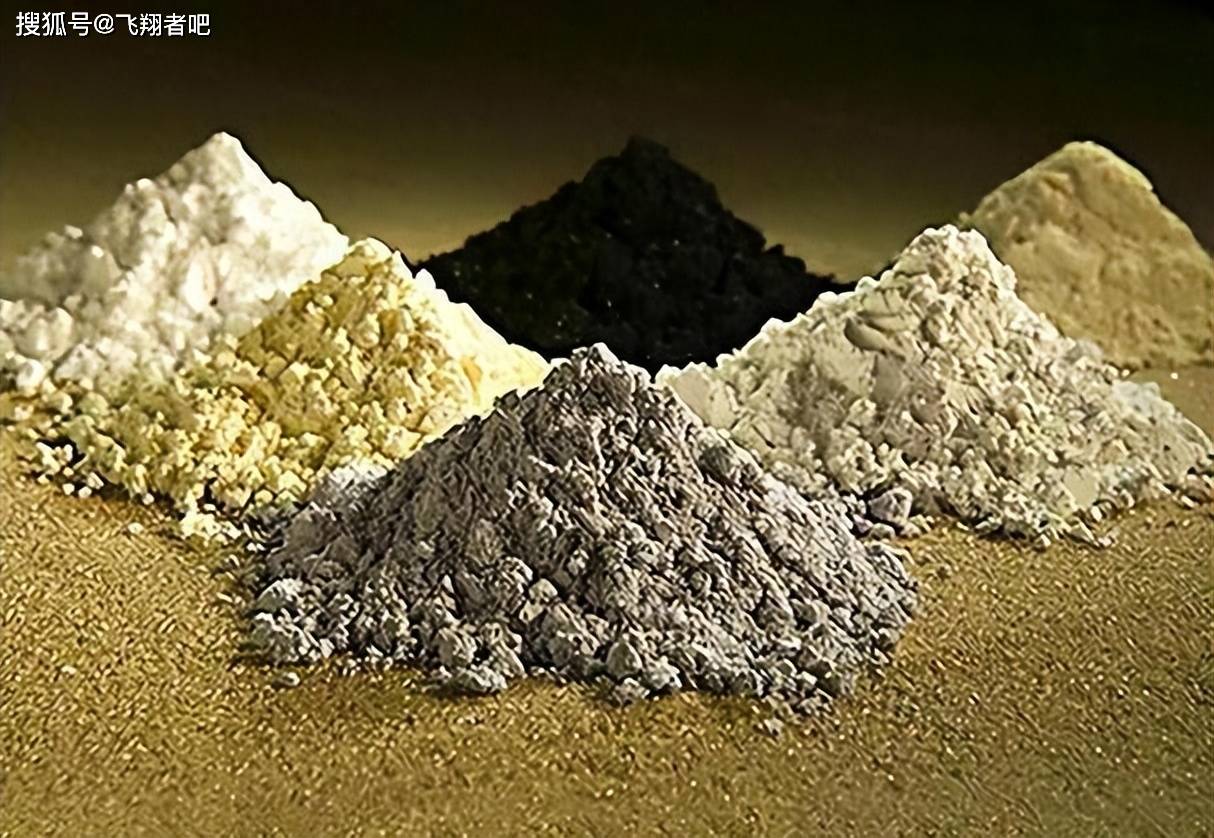
稀土供应链

Search documents
中国寻求在高科技领域争夺主导权
日经中文网· 2026-03-06 02:58
Group 1 - The core viewpoint of the article emphasizes China's ambition to accelerate technological self-reliance and establish a supply chain independent of the United States and other countries, particularly in high-tech fields like humanoid robots and artificial intelligence [2][4][5] - The new five-year plan does not set a specific economic growth target for 2030 but aims to significantly enhance the level of technological self-reliance and produce more original achievements [4][6] - The plan highlights the importance of breakthroughs in key core technologies in sectors such as semiconductors, industrial mother machines, and biotechnology, in response to U.S. export restrictions on advanced semiconductors [4][5] Group 2 - In the artificial intelligence semiconductor market, foreign companies, including those from the U.S., are projected to hold a 42% market share in China by 2025, down from 81% in 2023, indicating a continued reliance on foreign enterprises [5][6] - The plan outlines support for enhancing artificial intelligence capabilities in the Global South, aiming to expand China's international influence [6] - China aims to improve production technology for both mature and advanced semiconductors, and to develop essential equipment and materials for mass production [6] Group 3 - The five-year plan does not specify numerical targets for economic growth but indicates that per capita GDP should double by 2035 compared to 2020 levels, requiring an average annual growth rate of 4.17% from 2025 to 2035 [8] - The plan emphasizes the need for an economic development model driven by domestic demand and consumption, although it lacks specific measures to address current economic challenges such as insufficient domestic demand and deflationary pressures [8][9] - The article notes that the competition with the U.S. in economic scale continues, with projections indicating that China's nominal GDP will not surpass that of the U.S. before 2040 [9]


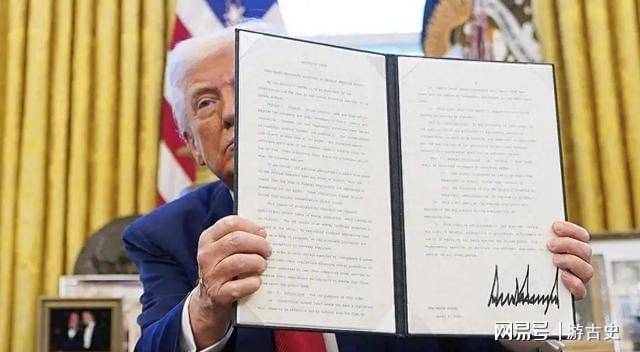
特朗普对全球下令,180天内废掉中方王牌,美媒:中国在霸凌美国
Sou Hu Cai Jing· 2026-02-12 10:37
Core Viewpoint - The article highlights the significant impact of China's control over rare earth exports on the U.S. defense industry, revealing the vulnerabilities in the U.S. supply chain and the challenges faced in establishing alternative sources of rare earth materials [1][5][15]. Group 1: U.S. Response to Rare Earth Supply Crisis - In January 2026, U.S. President Trump issued a presidential announcement requiring global critical mineral suppliers to reach supply agreements with the U.S. within 180 days, or face punitive tariffs of up to 25% [1]. - The urgency of this demand stems from a looming supply crisis in the U.S. defense industry, where certain critical rare earth elements are running low, directly affecting the production of advanced weapons like the F-35 fighter jet [1][10]. - The 180-day ultimatum reflects a desperate attempt to bypass reliance on China for rare earth supplies, indicating a critical situation for the U.S. military-industrial complex [1][17]. Group 2: Challenges in Establishing Alternative Supply Chains - Rebuilding a global rare earth supply chain independent of China within 180 days is nearly impossible due to the complex and time-consuming processes involved in mining, separation, and purification of rare earth elements [3][10]. - Although the U.S. has attempted to create a backup supply chain, challenges include the slow production capabilities of allies like Australia and Canada, and the inconsistent quality of rare earth ores from countries like Vietnam and Kazakhstan [10][12]. - Domestic mining efforts in the U.S. face significant legal hurdles, with lengthy environmental assessments and legal challenges delaying the establishment of new mining operations [12][15]. Group 3: China's Strategic Control Measures - China's precise control measures on rare earth exports have directly contributed to the U.S. supply crisis, with strategic regulations implemented as early as 2025 targeting seven key rare earth elements [5][7]. - The export controls include strict end-use regulations, preventing rare earths from being used for military purposes, effectively cutting off supplies to the U.S. defense sector [7][8]. - Following these controls, international rare earth prices surged, with prices for dysprosium doubling and terbium increasing by more than twofold, underscoring China's decisive influence in the global rare earth supply chain [8][10]. Group 4: Implications for Global Supply Chain Dynamics - The current rare earth crisis faced by the U.S. is a consequence of decades of industrial hollowing out, where the U.S. outsourced its rare earth processing capabilities, leading to a fragile supply chain [15][17]. - The 180-day ultimatum serves as a statement of U.S. vulnerability rather than a credible threat, highlighting the importance of core technology and production capabilities in the modern industrial raw material competition [17].
55国围堵中国稀土!70%产量被卡脖子,万斯喊破喉咙能成功吗?
Sou Hu Cai Jing· 2026-02-09 18:42
Core Viewpoint - The recent "Critical Minerals Ministerial Meeting" held in Washington, attended by representatives from 55 countries and the European Commission, aims to address the geopolitical leverage of critical minerals, particularly rare earths, which are predominantly controlled by China [1][3]. Group 1: Rare Earths Market Dynamics - China holds 38% of the world's rare earth reserves but accounts for 70% of global production, demonstrating its dominance in the sector [3]. - China possesses 90% of the global rare earth separation and purification capacity, making it essential for processing even the ores extracted from the largest U.S. rare earth mine [3]. - In 2023, China's rare earth exports increased by 12.3%, with 70% directed towards U.S. allies in Japan and Europe, highlighting the ongoing reliance on Chinese supplies [3]. Group 2: U.S. Response and Challenges - The U.S. proposed initiatives such as a "critical minerals preferential trade zone," setting reference price lines, and utilizing tariffs, alongside a $100 billion funding plan for allies [3][4]. - However, there are significant challenges, including the fact that U.S. allies like Australia heavily depend on China for rare earth exports, with 82% of Australia's rare earth exports going to China in 2023 [4]. - The U.S. faces a substantial technological gap in rare earth processing, with a Pentagon report indicating that rebuilding the entire supply chain could take at least 15 years and require over $500 billion, while only $2.3 billion has been allocated so far [4]. Group 3: Competitive Advantages of China - Chinese companies hold 90% of rare earth patents, making it difficult for U.S. military contractors to source materials without relying on Chinese suppliers [4]. - China maintains strict environmental standards in rare earth mining, having shut down 12 non-compliant mines in 2023, which could hinder U.S. efforts to restart high-pollution mines [4]. - China's investments in processing facilities in Africa and South America, such as holding 60% of a rare earth mine in the Democratic Republic of Congo, expand its influence and complicate U.S. attempts to bypass Chinese supply chains [4]. Group 4: Market Realities - Despite U.S. efforts to set price floors, rare earth prices fell by 40% in 2023, yet Chinese companies continue to profit due to lower processing costs, which are 58% cheaper than those in the U.S. [4]. - The global market for electric vehicles heavily relies on Chinese rare earth materials, with two out of three electric vehicles using Chinese components, underscoring the critical role of China's supply chain [4]. - The ongoing geopolitical maneuvering suggests that the U.S. may invest heavily without achieving significant changes in supply dynamics, as China remains a key player in the rare earth market [4].

美国被教训惨了?55国外援集结,美副总统下挑战书,想断中方后路
Sou Hu Cai Jing· 2026-02-09 08:51
Core Viewpoint - The recent "Rare Earth Meeting" held by the United States aims to form an international alliance against China, with the goal of reducing dependence on Chinese rare earth resources [1][3]. Group 1: Meeting Purpose and Attendance - The meeting was attended by representatives from 55 countries, including South Korea, Japan, and Australia, indicating the formation of a coalition against China [1]. - U.S. Secretary of State Rubio highlighted the strategic intent behind the meeting, which is to counter China's influence in the rare earth sector [1]. Group 2: U.S.-China Relations and Rare Earth Dependency - The U.S. has become heavily reliant on China for rare earth elements, with over 90% of rare earth products depending on Chinese exports [5]. - The U.S. faced significant challenges when China responded to U.S. tariffs by imposing its own tariffs and restricting rare earth exports, which put the U.S. in a difficult position [3][5]. Group 3: Strategic Implications and Future Outlook - The U.S. aims to reshape the global rare earth supply chain to reduce reliance on China, but achieving this goal is projected to take at least ten years due to China's dominance in purification technology [7]. - The meeting serves as a signal to China that more countries are aligning with the U.S., indicating a diplomatic effort to isolate China in the context of rare earth resources [7][8]. - The U.S. is attempting to challenge China through this meeting, reflecting a sense of anxiety over its strategic failures in dealing with China [8].
日本从深海采掘到稀土,这件事的意义有多大?丨国际观察
Sou Hu Cai Jing· 2026-02-05 05:21
Core Viewpoint - Japan's deep-sea drilling ship "Chikyū" has successfully extracted mud containing rare earth elements from a depth of 6,000 meters near Minami-Torishima, with plans for commercial extraction by February 2027 if subsequent tests are successful [1][3]. Group 1: Extraction Potential - The rare earth reserves in the Minami-Torishima area are estimated to exceed 16 million tons, making it the third-largest globally, following China and Brazil [3]. - Successful large-scale extraction could significantly reduce Japan's reliance on China's rare earth supply chain [3]. Group 2: Challenges to Commercial Viability - Technological hurdles exist, as no precedent for deep-sea extraction and processing of rare earth mud has been established, requiring time for Japan to validate commercial-scale extraction [4]. - The high costs associated with extraction from over 1,800 kilometers away from Tokyo and at a depth of 6,000 meters pose significant financial challenges, making it difficult to sustain operations without a large market [5]. - Environmental concerns related to deep-sea mining may lead to international pressure, complicating Japan's efforts to disrupt China's dominance in the rare earth supply chain [7]. Group 3: Long-term Strategic Implications - Japan's recent success in deep-sea extraction aligns with broader Western efforts to reduce dependence on China for rare earth elements, particularly following trade tensions [8]. - Japan's reliance on Chinese rare earths has decreased from 90% in 2010 to approximately 70% currently, indicating a gradual shift in sourcing strategies [8]. - The G7 finance ministers' meeting highlighted the need for increased government investment in rare earth supply chains among Western nations, suggesting a coordinated effort to bolster domestic production [8][9].

被中国杀手锏打痛,特朗普开启120亿美元新计划,开启稀土争夺战
Sou Hu Cai Jing· 2026-02-04 20:49
Core Points - The "Treasury Plan" is a strategic mineral reserve project signed by President Trump, totaling $12 billion, aimed at establishing a strategic reserve of critical minerals for U.S. manufacturers to mitigate supply chain disruption risks, particularly in response to China's rare earth control during the 2025 U.S.-China trade conflict [1][3] Group 1: Plan Overview - The plan is financed by a $10 billion loan from the Export-Import Bank of the United States, along with approximately $2 billion in private capital, covering critical minerals such as rare earths, copper, and lithium [3] - The goal is to create a 60-day emergency mineral reserve, with participation from major companies like General Motors, Boeing, and Google [3] - The operational mechanism allows companies to withdraw minerals from the reserve at predetermined prices, helping them avoid price volatility without needing to stockpile [5] Group 2: Market Context - As of 2024, the U.S. is entirely reliant on imports for 12 critical minerals, with over 50% import reliance for an additional 29 minerals, highlighting vulnerabilities in the U.S. critical mineral supply chain [5] - The plan's funding structure indicates that the $10 billion loan is for 15 years, significantly larger than previous transactions by the Export-Import Bank [7] Group 3: Technical Challenges - The main challenges for the "Treasury Plan" include the need for technology and capacity expansion in rare earth separation and refining, where China currently holds a dominant position [9] - China accounts for over 90% of global rare earth refining capacity and holds 85% of patents in heavy rare earth separation technology [9] Group 4: Military and Industrial Implications - Rare earths are critical for military applications, with over 78% of materials used in U.S. military equipment sourced from China [11] - The 2025 export control measures by China on rare earths have significantly impacted U.S. industries, including automotive and high-tech sectors, leading to price surges in rare earth elements [11] Group 5: Broader Industry Movements - The U.S. government has been actively investing in domestic rare earth producers, with significant funding directed towards companies like Mountain Pass Materials and American Lithium [12] - The global distribution of rare earth resources is heavily skewed towards China, which holds about 23% of global reserves but supplies over 90% of the market [14][16]
美国真慌了?砸111亿元,想摆脱对中国稀土的依赖
Sou Hu Cai Jing· 2026-01-27 07:50
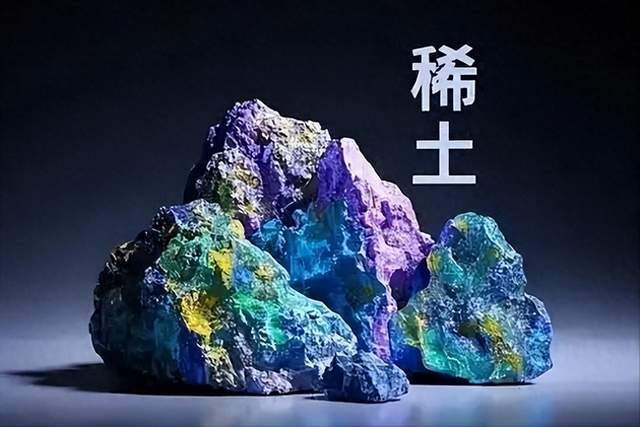
Core Viewpoint - The Trump administration plans to invest $1.6 billion in USA Rare Earth, Inc. (USAR), acquiring approximately 10% of the company, marking the largest investment by the U.S. government in the rare earth industry to date [1][3]. Group 1: Investment Details - The $1.6 billion investment is aimed at accelerating the development of rare earth mining projects in the U.S. and establishing a domestic supply chain to reduce reliance on Chinese rare earths [3]. - In 2025, the U.S. government previously invested $400 million to acquire about 15% of MP Materials, another key player in the rare earth sector [1]. Group 2: U.S. Rare Earth Industry Context - USAR is a critical rare earth company in the U.S., holding significant domestic rare earth mineral resources and currently developing two rare earth projects [3]. - China remains the largest global exporter and refining center for rare earths, with countries like the U.S., Japan, and the EU heavily dependent on Chinese supplies [5]. Group 3: Challenges in Reducing Dependence on China - Despite the U.S. government's investments, experts suggest that achieving independence from Chinese rare earths is challenging due to the comprehensive nature of China's rare earth resources, which include both heavy and light rare earths, while U.S. resources are primarily light rare earths [7]. - Establishing a rare earth supply chain involves not only resource availability but also mining and refining technologies, which the U.S. may take years to develop to match China's capabilities [9]. - Environmental regulations, labor costs, and other factors complicate the U.S. efforts to mine and refine rare earths effectively, raising doubts about the feasibility of these investments [9].
特朗普政府拟投16亿美元入股美国稀土企业USAR
Sou Hu Cai Jing· 2026-01-27 07:11
Core Viewpoint - The Trump administration plans to invest $1.6 billion in USA Rare Earth, Inc. (USAR), acquiring approximately 10% of the company, marking the largest investment by the U.S. government in the rare earth industry to date [1][3]. Group 1: Investment Details - The $1.6 billion investment is aimed at accelerating the development of rare earth mining projects in the U.S. and establishing a domestic supply chain to reduce reliance on Chinese rare earths [3]. - This investment follows a previous $400 million acquisition of about 15% of MP Materials in 2025, indicating a continued strategy to bolster U.S. rare earth capabilities [1][3]. Group 2: Market Context - China remains the largest global exporter and refining center for rare earths, with countries like the U.S., Japan, and the EU heavily dependent on Chinese supplies [5]. - Despite a high supply fulfillment rate of over 90% from China, the U.S. recognizes its vulnerability in rare earth supply chains, prompting efforts to secure its own resources [5]. Group 3: Challenges Ahead - Experts suggest that while the U.S. aims to reduce dependence on China, achieving this goal is challenging due to the comprehensive nature of China's rare earth resources, which include both heavy and light rare earths, whereas U.S. resources are primarily light [7]. - Establishing a rare earth supply chain involves not only resource extraction but also complex refining technologies, which the U.S. may struggle to develop in a short timeframe [9]. - Environmental regulations, labor costs, and ecological considerations further complicate the U.S. efforts to mine and refine rare earths effectively [9].
A股盘前播报 | 阿里(09988)最强模型亮相!性能媲美GPT-5.2、Gemini 3 Pro
智通财经网· 2026-01-27 01:07
Industry Insights - The Shanghai Futures Exchange has implemented measures to cool down the market, adjusting the price limits and margin requirements for silver, tin, and copper futures, indicating a strong stance against violations [1] - The Ministry of Commerce plans to optimize the implementation of the old-for-new consumption policy to boost sales of durable goods such as home appliances and automobiles in 2026 [3] - The game industry in China is experiencing a favorable policy environment, with 177 domestic game licenses approved in 2026, maintaining a high supply level [11] Macro Insights - The People's Bank of China emphasizes the need for proactive assessment of systemic financial risks and aims to maintain the stability of financial markets through a comprehensive macro-prudential management system [2] Market Commentary - Recent discussions around the "Dragon and Tiger List" system highlight its role in enhancing market transparency and providing valuable information for small investors, which could improve regulatory oversight [4] - The market is expected to see a continued divergence in short-term trends, with technology sector hotspots potentially shifting towards more niche areas [7] - The outlook for the rare earth sector remains positive, with expectations of stable demand and a new inventory replenishment cycle, driven by recent price increases [10]

特朗普抵京前,美国先通知中国,不想谈2件事,中国大规模抛美债
Sou Hu Cai Jing· 2026-01-26 12:16
Group 1 - The core viewpoint of the article highlights the complexities of U.S.-China relations, particularly in technology and trade negotiations, with the U.S. avoiding discussions on critical issues like technology competition and rare earth supply chains [1][3] - The U.S. is facing a dilemma where it wants to benefit from trade with China while simultaneously restricting China's advancements in key technologies such as chips and AI, which creates an unsustainable situation [3][6] - China's ongoing reduction of U.S. Treasury holdings, now at over $680 billion, indicates a structural shift in its investment strategy, moving away from reliance on U.S. debt and diversifying its foreign reserves [1][4] Group 2 - The article suggests that even if the recent negotiations yield no substantial outcomes, the trend indicates a shift in global economic dynamics, where no single country dictates terms, and the dollar is not the only asset choice [6] - The anticipated outcomes of Trump's visit are likely to include superficial agreements, such as agricultural procurement, but significant breakthroughs on core issues are deemed unrealistic due to China's insistence on comprehensive discussions [7] - The future of U.S.-China relations is expected to evolve into a state of ongoing negotiation and competition, where both sides must find opportunities within a balanced framework rather than seeking to dominate one another [6][7]