
瓷器

Search documents
福建省委书记周祖翼接受《焦点访谈》采访
Yang Shi Xin Wen· 2025-09-16 01:53
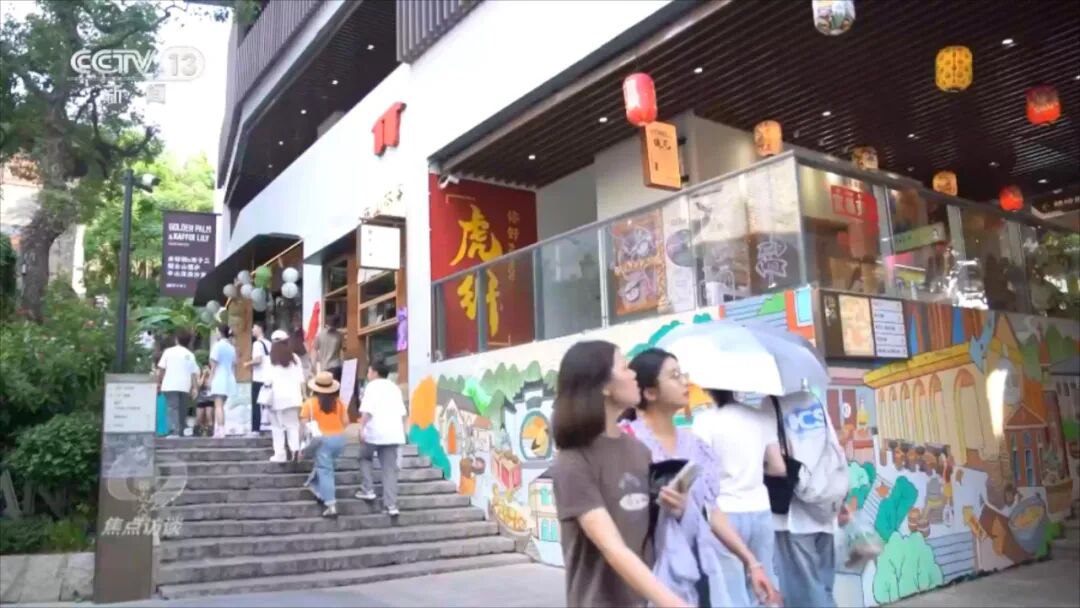
Core Viewpoint - The article emphasizes the importance of boosting consumption and expanding domestic demand as key priorities for economic work in 2023, highlighting innovative practices in Fujian province to enhance consumer confidence and improve living standards [1][3]. Economic Growth - Fujian's GDP grew by 5.7% year-on-year in the first half of the year, marking the highest growth rate for the same period since 2022, driven by a focus on expanding domestic demand [1][3]. Consumption Strategies - The provincial government has prioritized expanding domestic demand as the main task for economic work, aiming to stabilize employment, businesses, markets, and expectations [3]. - Fujian has implemented a "three products" strategy in the consumer goods manufacturing sector, focusing on increasing variety, improving quality, and creating brands to lead industrial transformation [3]. Retail and Tourism Performance - The total retail sales of consumer goods in Fujian increased by 6% year-on-year in the first half of the year, reflecting a positive trend in consumer spending [5]. - Tourism in Fujian saw significant growth, with the total number of tourists and total tourism expenditure increasing by 12.5% and 15.7% year-on-year, respectively [6]. Infrastructure and Services - The province is enhancing consumption infrastructure and promoting urban-rural commercial system construction, including the establishment of 121 provincial-level convenient living circles to improve residents' quality of life [6]. - The integration of culture and tourism is being promoted to create world-renowned tourist destinations, with specific projects aimed at enhancing the consumer experience [6]. Focus on People's Well-being - The government is committed to prioritizing people's well-being, focusing on reforms in key areas such as employment, education, social security, and healthcare, with 37 key reform projects underway [6].

上海打造首发消费品进口极速通道
Sou Hu Cai Jing· 2025-05-20 01:38
Core Viewpoint - The launch of the "white list + differentiated qualification assessment" model for imported consumer goods inspection in Shanghai marks a significant innovation aimed at enhancing the efficiency of customs clearance for new products, thereby supporting the city's role as a global consumption center [1][2]. Group 1: Policy Implementation - The Shanghai Customs and the Shanghai Municipal Commission of Commerce have initiated a pilot program for inspection facilitation of first-import consumer goods, which is part of the "First Launch Shanghai" initiative [1]. - Since the pilot program began, 14 multinational brand headquarters in China have applied to include over 20,000 new products in the white list, covering various categories such as clothing, toys, tableware, and electronics [1]. - The new measures are expected to improve customs clearance efficiency by over 80% for individual shipments, with some products that typically have long inspection cycles now cleared within two weeks [1]. Group 2: Market Impact - Shanghai is the largest import hub for consumer goods in China, accounting for over half of the national total with more than 500,000 batches of imported clothing and toys expected in 2024 [2]. - The traditional inspection model has been criticized for its "one-size-fits-all" approach, which has hindered the timely introduction of new products [2]. - The new policy expands the scope of applicable products from single items to all categories of first-import consumer goods, including international brand debuts and limited edition items [2]. Group 3: Business Benefits - Companies like Jellycat have reported that the new policy reduces operational costs and enhances the commercial viability of design outcomes, facilitating more first-launch projects in China [3]. - The policy allows for expedited customs clearance for non-sales exhibition items and small batch imports, significantly reducing the time required for clearance from one week to two to three days [3]. - The implementation of a tiered facilitation system aims to create a seamless experience in the import inspection process, ensuring no loss or waiting time [2].