生态环境执法

Search documents
持证执法人手不够?一招“老带新”破解基层执法难题
Zhong Guo Huan Jing Bao· 2026-02-13 03:10
Core Viewpoint - The article emphasizes the importance of standardizing administrative inspections related to enterprises and enhancing law enforcement efficiency, highlighting the challenges faced by grassroots ecological environment law enforcement departments in balancing their workload and personnel availability [1][2][3]. Group 1: Challenges in Law Enforcement - Grassroots ecological environment law enforcement departments are experiencing a mismatch between the heavy enforcement tasks and the limited number of certified personnel available for inspections [1]. - Some certified personnel have not participated in frontline inspections for extended periods due to their administrative roles, indicating underutilization of available resources [2]. Group 2: Strategies for Improvement - There is a need to activate internal potential by integrating non-frontline certified personnel into enforcement teams, especially during peak enforcement periods, to alleviate personnel shortages [2]. - Collaborative mechanisms between certified personnel and auxiliary staff are being explored to enhance the efficiency and quality of inspections, allowing for better preparation and risk assessment prior to on-site checks [2]. Group 3: Coordination and Innovation - The article advocates for the integration and coordination of inspection tasks to reduce redundancy and resource consumption, promoting joint inspections or delegated checks for enterprises facing multiple layers of scrutiny [3]. - Continuous innovation in enforcement methods is necessary, balancing procedural compliance with practical effectiveness, to enhance the standardization of law enforcement and support high-quality development [3].
郑州市生态环境局高新执法大队党支部:建强一线战斗堡垒,争做基层模范先锋
Zhong Guo Huan Jing Bao· 2026-01-15 02:12
Group 1 - The core viewpoint of the article highlights the establishment and achievements of the High-tech Law Enforcement Team's Party Branch in Zhengzhou, which has created a brand for party building that emphasizes responsibility and support in ecological environmental law enforcement [1][3] - Since its establishment in 2021, the Party Branch has been recognized as a "Four Strong Party Branch" by the Zhengzhou Municipal Committee, indicating its effectiveness in leading team building and enhancing law enforcement capabilities [1][3] - The Party Branch has addressed 236 cases of ecological environmental violations and resolved 858 urgent environmental issues faced by the public, receiving praise from the community for its efforts [3] Group 2 - The Party Branch promotes a brand called "One Red Line Runs Through," which encourages members to actively respond to enterprises' urgent needs and provide continuous support for their ecological and environmental work [3] - The team emphasizes the development of members' capabilities and encourages a culture of dedication, where every member is seen as a versatile contributor to various tasks [3] - The Party Branch has distilled ten "No Question" spirits from the characteristics and deeds of its members, which serve as motivational principles and reminders of their original intentions [6]

沈阳生态环境部门公布现场检查准则 检查过程中企业可即时扫码监督
Xin Lang Cai Jing· 2026-01-06 23:41
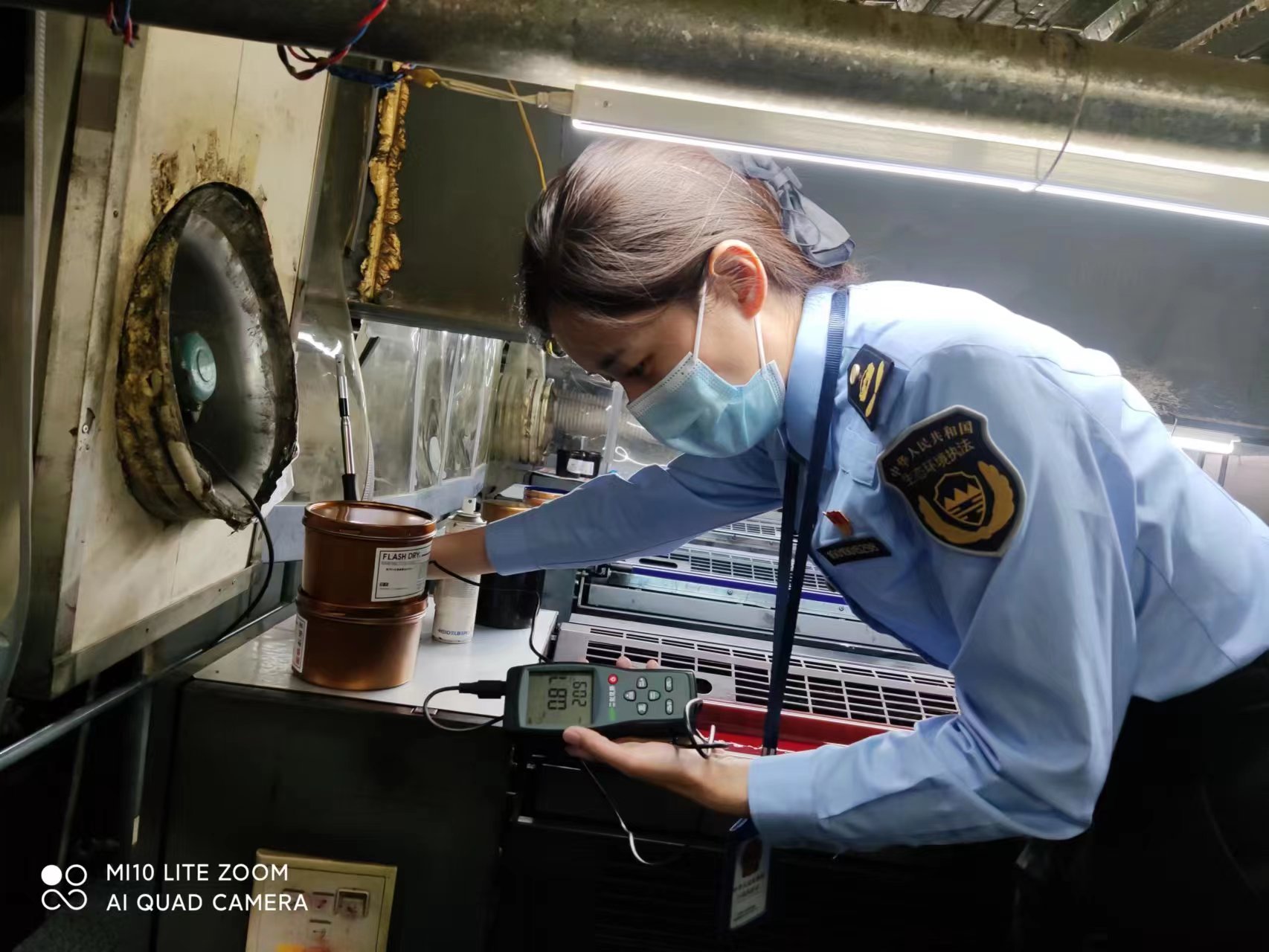
Core Viewpoint - The Shenyang Ecological Environment Bureau has introduced strict guidelines for on-site inspections, emphasizing a multi-channel supervision mechanism to enhance transparency and accountability in environmental law enforcement [1][2] Group 1: Inspection Guidelines - The newly established "Eight Stricts and Eight Prohibitions" guidelines aim to ensure comprehensive and fair enforcement of environmental regulations [1] - Key aspects include strict adherence to the "one visit, multiple tasks" principle, requiring enforcement personnel to hold valid credentials and operate transparently [1] - Enforcement actions must comply with established lists for administrative penalties and must respect the rights of enterprises to present their case [1] Group 2: Prohibited Actions - Prohibited actions for enforcement personnel include using enforcement systems improperly, substituting fines for necessary corrections, and accepting gifts or benefits from enterprises [1] - Enforcement personnel are not allowed to recommend products or services to enterprises, ensuring impartiality in inspections [1] Group 3: Supervision Mechanism - The supervision mechanism includes four channels: QR code feedback, business supervision, petition reporting, and telephone reporting, allowing for comprehensive oversight [1] - Enterprises can provide immediate feedback on enforcement practices through a QR code system, ensuring that feedback is collected right after inspections [2] - A dedicated hotline is available for businesses and the public to report issues related to enforcement conduct and the business environment [2]
蒙宁两省三地开展生态环境联合执法行动
Xin Lang Cai Jing· 2026-01-04 04:32
Group 1 - The core viewpoint of the article highlights the collaborative efforts of the ecological environment departments from Inner Mongolia's Wuhai City, Alxa League, and Ningxia's Shizuishan City to enhance regional air quality management through joint enforcement actions [1] - A joint enforcement meeting was held in Wuhai City, focusing on key areas such as heavy pollution weather warning response processes, administrative penalty case handling standards, and online monitoring facility supervision [1] - The enforcement teams from the three regions engaged in targeted discussions to clarify doubts and obstacles in the enforcement process, aiming to improve the standardization and effectiveness of cross-regional law enforcement [1] Group 2 - Following the meeting, enforcement personnel conducted inspections at specific facilities, including the coking plant of China National Energy Group and the Rongxin Energy Industrial Co., Ltd., focusing on pollution discharge permit compliance, operation of pollution control facilities, and hazardous waste disposal [1] - The joint inspections aimed to accurately identify environmental risk hazards in critical areas of operation [1]
为何基层认为管理很到位,督察却还能发现问题?
Zhong Guo Huan Jing Bao· 2025-12-26 06:15
Core Viewpoint - The article highlights the challenges faced by grassroots ecological environment law enforcement personnel in identifying and solving pollution issues, emphasizing the need for improved capabilities and systematic thinking in their regulatory practices [1][2][3] Group 1: Challenges in Law Enforcement - Grassroots ecological environment law enforcement personnel often believe they are effectively managing pollution sources, yet issues are still identified by higher-level inspection teams, indicating a gap in problem detection and resolution capabilities [1] - The lack of professional quality and legal literacy among grassroots enforcement teams, compounded by the retirement of experienced personnel and the slow development of new recruits, contributes to the challenges faced [1] - The increasing sophistication and concealment of illegal activities by pollution sources make timely problem detection more difficult [1] Group 2: Recommendations for Improvement - Law enforcement personnel should focus on enhancing their theoretical knowledge related to pollution discharge mechanisms, production processes, and environmental impacts to improve their problem detection skills [2] - Practical experience is essential; personnel should engage deeply with pollution sources to understand their processes and potential issues, rather than merely performing routine inspections [2] - A systematic thinking approach is necessary, allowing personnel to view problems in the context of broader ecological regulations and industry characteristics, which aids in identifying the root causes of environmental issues [3] Group 3: Problem Solving - Identifying problems is only the first step; law enforcement personnel must also assist pollution sources in finding effective solutions to ensure ecological safety [3]
吉林“接诉即办”解民忧
Zhong Guo Huan Jing Bao· 2025-12-17 06:39
Group 1 - The core viewpoint of the article emphasizes the efficient handling of public ecological and environmental demands in Jilin City, achieving a 100% resolution rate for 2,801 cases by 2025, with increasing public satisfaction [1] - Jilin City has established a center for handling ecological and environmental issues, implementing a "7×24 hours" response mechanism to ensure timely resolution of complaints [1] - The city has adopted a "two centers + one linkage" model to manage environmental violations, integrating digital regulatory systems and utilizing advanced technologies for efficient enforcement [1] Group 2 - The next steps for Jilin City include strengthening accountability and transitioning from addressing individual issues to managing broader environmental governance, with a focus on protecting the ecological environment along the Songhua River [2]
长春以“三个聚焦”锻造执法攻坚利剑
Zhong Guo Huan Jing Bao· 2025-12-17 06:39
Core Viewpoint - Changchun City is enhancing its ecological environment law enforcement capabilities through rigorous training and practical exercises, focusing on improving environmental quality and regulatory effectiveness [1][2]. Group 1: Training and Skill Development - The city integrates training into daily operations, ensuring "full participation, year-round, and throughout the process" in law enforcement training [1]. - Emphasis is placed on theoretical training and practical exercises, including on-site inspections and operational training with advanced equipment like drones and portable monitoring devices [1]. - A problem-oriented approach is adopted to evaluate training outcomes, with competitions and rewards to foster a "craftsman spirit" within the enforcement team [1]. Group 2: Regulatory Improvements - The city is optimizing enforcement methods by promoting non-site inspections and smart law enforcement, aiming for comprehensive oversight with minimal disruption to businesses [1]. - There has been a 47.77% decrease in on-site inspections, while the number of penalty cases has increased by 44.13% year-on-year, indicating improved enforcement efficiency [1]. Group 3: Incentives and Technology Integration - Performance in training is linked to personal evaluations and promotions, motivating staff to enhance their skills [2]. - The city is developing an "Internet + Law Enforcement" system to leverage big data for pollution permits and video monitoring of key enterprises, supporting precise law enforcement [2]. - Administrative checks on enterprises are being standardized, with a focus on balancing strict enforcement with business development needs [2].
吉林生态环境执法转型
Zhong Guo Huan Jing Bao· 2025-12-17 06:39
Core Viewpoint - Jilin Province is implementing a flexible regulatory model that emphasizes service over management, aiming for a balance between high-level ecological protection and high-quality economic development [1][2] Group 1: Regulatory Changes - Jilin Province is adopting measures such as "no disturbance without issues" and "no penalties for first-time violations" to create a more inclusive and prudent regulatory environment [1] - The province has established a clear framework for enterprise-related inspections, including a public column on its website detailing inspection qualifications and frequency limits, effectively reducing arbitrary enforcement [1] - There has been a significant reduction in enforcement records, with a 46.8% year-on-year decrease, alleviating the burden on enterprises during inspections [1] Group 2: Supportive Measures for Enterprises - The ecological environment department is shifting from a focus on strict regulation to providing services, implementing a differentiated regulatory approach for compliant enterprises [1] - Initiatives such as "law delivery to enterprises" and "enterprise service month" are being conducted to combine enforcement with support, offering legal policy interpretations and environmental protection technical services [2] - The department is utilizing a "warm enterprise" strategy, which includes providing manuals, training, health checks, and problem-solving to enhance enterprises' compliance motivation [2]
延边构建“监管+服务”立体化环境执法监管体系
Zhong Guo Huan Jing Bao· 2025-12-17 06:39
Group 1 - The core viewpoint of the news is the innovative restructuring of law enforcement concepts by the Yanbian Ecological Environment Comprehensive Administrative Law Enforcement Team, integrating on-site inspections, non-site supervision, and special law enforcement to create a multi-layered and three-dimensional ecological environment law enforcement supervision system [1] - The new system emphasizes targeted control over key areas, industries, and enterprises, exploring a new path that combines regulation with service, marking a significant shift from mere enforcement to proactive guidance in environmental law enforcement [1] - The team has established a "five-stage" law enforcement model centered on "legal publicity, educational guidance, admonition and reasoning, administrative penalties, and supervision and rectification," integrating legal education throughout the enforcement process [1] Group 2 - In terms of team building, the team continuously hones the professional quality of law enforcement personnel through a regular mechanism of "weekly learning, monthly practice, and quarterly examinations" [2] - A strict closed-loop law enforcement inspection mechanism has been established to ensure enforcement quality, involving a full-process control of "problem discovery—feedback—supervision and rectification—effect verification," which enhances the standardization of law enforcement [2] - This mechanism acts as a "quality monitoring system" for law enforcement work, ensuring that every enforcement action can withstand scrutiny [2]
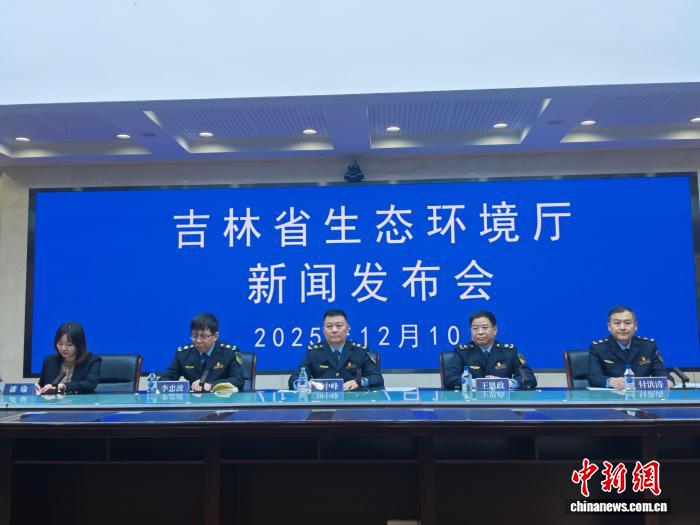
吉林省有效遏制多发频发环境问题和违法行为
Zhong Guo Xin Wen Wang· 2025-12-10 08:17
Core Viewpoint - Jilin Province aims to effectively curb frequent environmental issues and illegal activities by 2025, with significant progress in key areas such as vehicle inspection, river basin management, and new fields like carbon emissions and radiation [1][3]. Group 1: Environmental Enforcement Actions - The Jilin Provincial Ecological Environment Enforcement Bureau reported a total of 26 administrative penalty cases related to hazardous waste, with 5 cases referred to the police for investigation [3]. - A total of 132 cases involving third-party agencies committing fraud were processed, with 12 cases sent to the police for further investigation [3]. - Notable cases include illegal hazardous waste discharge by a company in Jilin City and the provision of false certification by a vehicle inspection company in Changchun [3]. Group 2: Regulatory Improvements - The province has implemented a "reduction in enforcement frequency while improving quality" strategy, resulting in a 45% year-on-year decrease in enforcement checks [4]. - The enforcement system has adopted a differentiated regulatory approach for companies on the positive list, focusing on non-intrusive inspections, with 2,913 non-intrusive checks conducted on 1,147 listed companies [4]. - The province has executed policies such as "no penalty for first-time violations" and "no penalties for minor environmental violations," leading to 83 cases of non-penalty and a reduction of fines totaling 6.4352 million yuan, a 161% increase year-on-year [4].