
粮食种植与收储

Search documents
1亿吨秋粮,意味着什么?
Yang Shi Wang· 2025-11-14 04:11
Core Insights - The national grain and material reserve bureau reports that the autumn grain purchase has exceeded 100 million tons, indicating a smooth progress in the collection process [1] - The autumn grain harvest is characterized by a diverse range of crops, including rice, corn, and soybeans, which adds complexity to the storage process [3] - The successful collection of autumn grain is crucial for stabilizing market expectations and ensuring food security for the entire year [7] Summary by Categories Grain Collection Progress - The total autumn grain production in China is approximately over 500 million tons annually, with storage accounting for over 300 million tons. Currently, over 100 million tons have been collected within a month, representing about one-third of the storage target [3] - The collection process is ongoing and is expected to last until May of the following year, providing farmers with necessary support for post-harvest activities [3] Characteristics of Autumn Grain - The variety of crops collected this year includes rice, corn, and soybeans, with rice being a staple food and corn and soybeans serving as essential feed grains [3] - The collection spans across 13 major grain-producing regions, including Henan, Hunan, Shandong, Heilongjiang, Jilin, and Liaoning, with specific regions already implementing minimum purchase price policies for rice [3] Economic Impact - The successful collection of autumn grain serves as a "stabilizing factor" for market expectations, directly influencing economic operations and ensuring livelihood security [7] - Autumn grain accounts for approximately three-quarters of the total annual grain production, making its successful storage critical for maintaining supply stability and preventing market panic due to shortages [7]

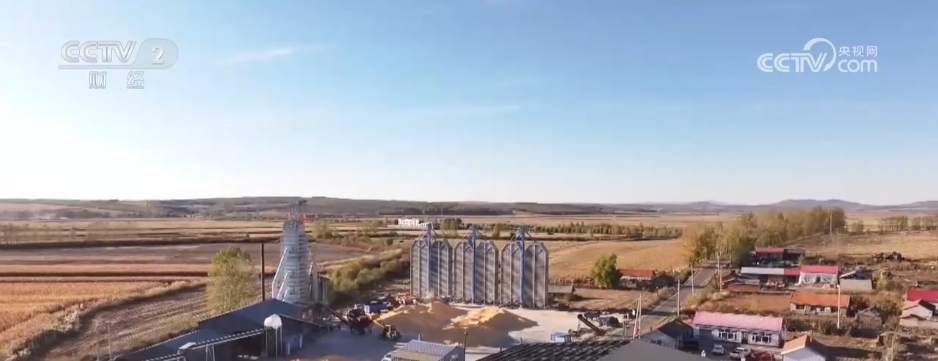
抢收抢烘保秋粮
Jing Ji Ri Bao· 2025-10-17 21:40
Core Insights - Continuous rainy weather is negatively impacting the autumn harvest and planting in Shandong, prompting local authorities to implement urgent measures to ensure the collection of autumn grain [1][2][3] Group 1: Harvesting and Drying Efforts - Shandong is focusing on rapid harvesting and drying, utilizing regional characteristics to enhance efficiency [1] - Jining's agricultural technology company operates large drying towers 24/7, achieving a drying capacity of nearly 400 tons per day, with a total of nearly 10,000 tons dried so far [1] - In Tai'an, 6 tracked harvesters are deployed to tackle muddy fields, with 348,000 acres of corn harvested out of 665,000 acres [1][2] Group 2: Infrastructure and Support - Linqing City has established 33 grain drying service points and 508 corn drying public areas, covering a total area of 430,000 square meters [2] - Emergency plans in Juye County have activated 24-hour drying operations with a daily capacity exceeding 200 tons to prevent spoilage [2] - Dong'a County is coordinating 2,350 wheel harvesters and 35 tracked harvesters, with 12 drying service points operating at full capacity, achieving a daily drying capacity of 2,575 tons [2] Group 3: Financial Support - Agricultural Bank of Shandong is prioritizing financial support for autumn grain storage, expediting loan approvals to meet the financial needs of agricultural enterprises and cooperatives [3] - The Shandong Provincial Finance Department has allocated an additional 120 million yuan to support autumn grain harvesting and drying efforts [3] - As of October 15, 70% of Shandong's autumn grain has been harvested, with 73.1% of corn collected [3]
应对持续阴雨 决战决胜“三秋”
He Nan Ri Bao· 2025-09-20 23:24
Core Viewpoint - The article emphasizes the importance of the autumn harvest and wheat sowing period, highlighting the impact of recent rainfall on crop production and the measures being taken to ensure successful harvest and sowing [1][2]. Group 1: Weather Impact - Since September, the province has experienced multiple rounds of widespread rainfall, with more scattered precipitation expected in late September and early October [2]. - The recent rainy weather has led to reduced sunlight and increased soil moisture, affecting the maturation of autumn crops and raising the risk of pests and diseases [2]. - The meteorological department has identified a window for harvesting and sowing from late September to early October, urging farmers to monitor weather forecasts closely [2]. Group 2: Agricultural Response - The province is implementing a dual strategy of "harvest protection and scientific sowing" to mitigate the effects of rain [3]. - A total of 4 million agricultural machines are planned for deployment, including 180,000 units for corn and peanut harvesting [3]. - Emergency response mechanisms have been established with 742 agricultural machine service teams ready to assist in drainage and harvesting operations [3]. Group 3: Wheat Sowing Preparation - The quality of wheat sowing is crucial for next year's summer grain harvest, prompting early preparations and technical support [4]. - Specific technical guidelines have been issued to promote effective soil preparation and pest control measures [4]. - Training programs are being conducted to enhance farmers' knowledge of new technologies and practices [4]. Group 4: Grain Purchase and Storage Policies - The province is focusing on a multi-faceted approach to ensure smooth grain purchase and storage, with a total storage capacity of 33.8 billion jin and 10 billion yuan in financial support [5]. - A minimum purchase price policy for medium and late indica rice is being prepared, with measures in place to ensure efficient grain collection and storage [6].