粮食产量统计

Search documents
2025年宁夏回族自治区粮食总产量381.4万吨,夏粮产量占其粮食总产量的5.61%
Chan Ye Xin Xi Wang· 2026-02-21 03:07
Core Viewpoint - The grain production in Ningxia Hui Autonomous Region is projected to decline in 2025 compared to 2024, indicating a downward trend in both total and summer grain production. Group 1: Total Grain Production - In 2025, the total grain production in Ningxia is expected to be 3.814 million tons, a decrease of 45,000 tons or 1.2% from 2024, accounting for 0.53% of the national total [1] - The sown area for total grain in Ningxia is projected to be 692.4 thousand hectares in 2025, down by 1.8 thousand hectares or 0.3% from 2024 [1] Group 2: Summer Grain Production - The summer grain production in Ningxia is expected to be 214,000 tons in 2025, a reduction of 34,000 tons or 13.7% from 2024, representing 5.61% of the total grain production [1] - The sown area for summer grain in Ningxia is projected to be 71.9 thousand hectares in 2025, a decrease of 2.5 thousand hectares or 3.4% from 2024 [1] - The unit area yield for summer grain is expected to be 2,977.1 kg/hectare in 2025, a decline of 354.4 kg/hectare or 10.6% from 2024 [2]


2025年海南省粮食总产量142.7万吨,夏粮产量占其粮食总产量的7.36%
Chan Ye Xin Xi Wang· 2026-02-20 04:38
Core Insights - The report by Zhiyan Consulting analyzes the market trends and investment prospects of the grain industry in China from 2026 to 2032, focusing on Hainan Province's grain production and summer grain statistics for 2025. Group 1: Grain Production in Hainan - In 2025, Hainan Province's total grain production is projected to be 1.427 million tons, an increase of 0.3 thousand tons or 0.2% compared to 2024, accounting for 0.2% of the national total [1] - The summer grain production in Hainan for 2025 is expected to reach 105 thousand tons, up by 0.1 thousand tons or 1% from 2024, representing 7.36% of the province's total grain production [1] Group 2: Grain Sowing Area - The total grain sowing area in Hainan for 2025 is estimated at 274.9 thousand hectares, an increase of 2.2 thousand hectares or 0.8% from 2024 [1] - The sowing area for summer grain in Hainan is projected to be 24.7 thousand hectares, which is an increase of 0.2 thousand hectares or 0.8% compared to 2024 [1] Group 3: Yield per Hectare - The yield per hectare for total grain in Hainan is expected to be 5,192 kg/hectare in 2025, a decrease of 30.1 kg/hectare or 0.6% from 2024 [2] - The yield per hectare for summer grain in Hainan is projected to be 4,258.9 kg/hectare, an increase of 4.8 kg/hectare or 0.1% compared to 2024 [2]

2025年广东省粮食总产量1318.8万吨,夏粮产量占其粮食总产量的5.45%
Chan Ye Xin Xi Wang· 2026-02-20 04:38
Group 1 - The core viewpoint of the report indicates that Guangdong Province's total grain production is projected to reach 13.188 million tons in 2025, an increase of 54,000 tons or 0.4% compared to 2024, accounting for 1.84% of the national total [1] - The summer grain production in Guangdong is expected to be 719,000 tons in 2025, which is an increase of 2,000 tons or 0.3% from 2024, representing 5.45% of the total grain production [1] - The total grain sown area in Guangdong is forecasted to be 2,235.3 thousand hectares in 2025, a decrease of 1.5 thousand hectares or 0.1% from 2024, while the summer grain sown area is expected to increase by 0.8 thousand hectares or 0.5% to 151 thousand hectares [1] Group 2 - The grain yield per unit area in Guangdong is projected to be 5,899.7 kg/hectare in 2025, an increase of 27.7 kg/hectare or 0.5% compared to 2024 [2] - In contrast, the summer grain yield per unit area is expected to decrease to 4,758.7 kg/hectare in 2025, a reduction of 13.3 kg/hectare or 0.3% from 2024 [2]

2025年河北省粮食总产量3919.8万吨,夏粮产量占其粮食总产量的39.06%
Chan Ye Xin Xi Wang· 2026-02-19 02:18
Core Insights - The report by Zhiyan Consulting analyzes the market dynamics and development trends of the rice industry in China from 2026 to 2032 Group 1: Grain Production in Hebei Province - In 2025, the total grain production in Hebei Province is projected to be 39.198 million tons, an increase of 110,000 tons or 0.3% compared to 2024, accounting for 5.48% of the national total [1] - The summer grain production in Hebei Province is expected to reach 15.309 million tons in 2025, up by 179,000 tons or 1.2% from 2024, representing 39.06% of the total grain production [1] Group 2: Grain Sowing Area - The grain sowing area in Hebei Province for 2025 is estimated at 6.461 million hectares, an increase of 0.9 thousand hectares compared to 2024 [1] - The summer grain sowing area in Hebei Province is projected to be 2.864 million hectares in 2025, which is an increase of 10.1 thousand hectares or 0.4% from 2024 [1] Group 3: Yield per Hectare - The unit area yield for grain in Hebei Province is expected to be 6,066.9 kg/hectare in 2025, an increase of 16.3 kg/hectare or 0.3% from 2024 [2] - The unit area yield for summer grain in Hebei Province is projected to be 6,695.9 kg/hectare in 2025, up by 49.4 kg/hectare or 0.7% compared to 2024 [2]

2025年北京市粮食总产量59.6万吨,夏粮产量占其粮食总产量的30.03%
Chan Ye Xin Xi Wang· 2026-02-19 02:12
Group 1 - The core viewpoint of the report indicates that Beijing's total grain production is projected to reach 596,000 tons in 2025, representing an increase of 20,000 tons or 3.5% compared to 2024 [1] - The summer grain production in Beijing is expected to be 179,000 tons in 2025, which is an increase of 18,000 tons or 11.2% from 2024, accounting for 30.03% of the total grain production [1] - The total grain sown area in Beijing is anticipated to be 98,900 hectares in 2025, an increase of 4,700 hectares or 5% from 2024, with the summer grain sown area reaching 31,400 hectares, up by 2,900 hectares or 10.2% [1] Group 2 - The unit area yield for total grain in Beijing is projected to be 6,028.3 kg/hectare in 2025, which is a decrease of 87.2 kg/hectare or 1.4% compared to 2024 [2] - In contrast, the unit area yield for summer grain is expected to be 5,706.7 kg/hectare in 2025, reflecting an increase of 72.5 kg/hectare or 1.3% from 2024 [2]

国家统计局关于2025年粮食产量数据的公告
Guo Jia Tong Ji Ju· 2025-12-12 01:30
Core Insights - The article presents projections for China's grain planting area, yield per unit area, and total production for 2025, indicating slight increases across all metrics compared to 2024 [1][2]. Summary by Categories Planting Area - The total grain planting area is projected to be 119,409 thousand hectares (179,113 million mu), an increase of 90 thousand hectares (135 million mu), representing a growth of 0.1% from 2024 [1][2]. - The grain planting area specifically for cereals is estimated at 100,619 thousand hectares (150,928 million mu), with an increase of 161 thousand hectares (241 million mu), reflecting a growth of 0.2% [1][2]. Yield per Unit Area - The national average yield per unit area for grain is expected to reach 5,987 kg/hectare (399 kg/mu), which is an increase of 65.7 kg/hectare (4.4 kg/mu), marking a growth of 1.1% from 2024 [1][2]. - For cereals, the yield per unit area is projected at 6,561 kg/hectare (437 kg/mu), with an increase of 68.3 kg/hectare (4.6 kg/mu), also reflecting a growth of 1.1% [1][2]. Total Production - The total grain production is forecasted to be 71,488 million tons (14,298 billion jin), an increase of 838 million tons (168 billion jin), which corresponds to a growth of 1.2% compared to 2024 [1][2]. - The total production of cereals is estimated at 66,021 million tons (13,204 billion jin), with an increase of 792 million tons (158 billion jin), also indicating a growth of 1.2% [1][2]. Seasonal Breakdown - The summer grain production is projected at 14,974.6 million tons from a planting area of 26,578.4 thousand hectares, with a yield of 5,634.1 kg/hectare [2]. - Early rice production is expected to be 2,851.3 million tons from 4,742.9 thousand hectares, yielding 6,011.9 kg/hectare [2]. - Autumn grain production is forecasted at 53,661.7 million tons from 88,087.7 thousand hectares, with a yield of 6,091.8 kg/hectare [2]. Crop Type Breakdown - The total area for cereals is 100,618.8 thousand hectares, with a total production of 66,020.7 million tons and a yield of 6,561.5 kg/hectare [2]. - Specific crop data includes rice at 29,012.2 thousand hectares with a production of 20,904.1 million tons and a yield of 7,205.3 kg/hectare [2]. - Wheat covers 23,581.8 thousand hectares with a production of 14,007.2 million tons and a yield of 5,939.8 kg/hectare [2]. - Corn occupies 44,960.8 thousand hectares with a production of 30,123.5 million tons and a yield of 6,700.0 kg/hectare [2].
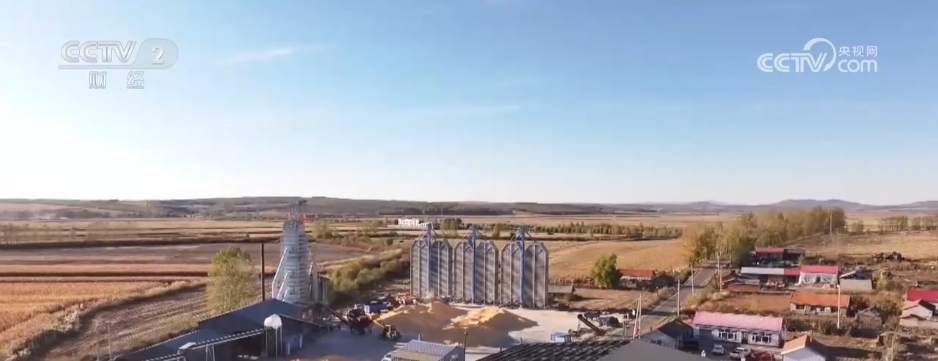
1亿吨秋粮,意味着什么?
Yang Shi Wang· 2025-11-14 04:11
Core Insights - The national grain and material reserve bureau reports that the autumn grain purchase has exceeded 100 million tons, indicating a smooth progress in the collection process [1] - The autumn grain harvest is characterized by a diverse range of crops, including rice, corn, and soybeans, which adds complexity to the storage process [3] - The successful collection of autumn grain is crucial for stabilizing market expectations and ensuring food security for the entire year [7] Summary by Categories Grain Collection Progress - The total autumn grain production in China is approximately over 500 million tons annually, with storage accounting for over 300 million tons. Currently, over 100 million tons have been collected within a month, representing about one-third of the storage target [3] - The collection process is ongoing and is expected to last until May of the following year, providing farmers with necessary support for post-harvest activities [3] Characteristics of Autumn Grain - The variety of crops collected this year includes rice, corn, and soybeans, with rice being a staple food and corn and soybeans serving as essential feed grains [3] - The collection spans across 13 major grain-producing regions, including Henan, Hunan, Shandong, Heilongjiang, Jilin, and Liaoning, with specific regions already implementing minimum purchase price policies for rice [3] Economic Impact - The successful collection of autumn grain serves as a "stabilizing factor" for market expectations, directly influencing economic operations and ensuring livelihood security [7] - Autumn grain accounts for approximately three-quarters of the total annual grain production, making its successful storage critical for maintaining supply stability and preventing market panic due to shortages [7]