网红经纪

Search documents
杭州的网红去哪儿了?
商业洞察· 2026-01-19 09:46
Core Viewpoint - The article discusses the transformation of the "internet celebrity" ecosystem in Hangzhou, particularly focusing on the Regin International Center, which was once a hub for young influencers but is now experiencing a decline in its original tenant demographic as the industry evolves [4][26]. Group 1: Changes in Regin International - Regin International, once known as the "internet celebrity building," is seeing a decrease in the number of influencers residing there, with a shift towards a more diverse tenant base, including many white-collar workers [4][16]. - The building's appeal has diminished due to rising rental prices and the emergence of new, more attractive residential options in Hangzhou, leading to a dispersal of the influencer community [21][22]. - Despite the decline in influencers, the building still serves as a resource for those like Chen Feng, a cleaner who aspires to become an influencer herself, indicating that the "internet celebrity" culture persists in different forms [12][16]. Group 2: Evolution of the Influencer Industry - The influencer industry in Hangzhou is transitioning from a phase of individualistic "heroism" to a more institutionalized and professionalized model, with a focus on team collaboration and specialization [4][30]. - Many influencers are now signing contracts with MCN (Multi-Channel Network) agencies, which provide support and resources, reflecting a shift towards a more structured industry environment [30][39]. - The growth of MCN agencies has led to a significant increase in their numbers, from 160 in 2015 to 29,000 by 2024, indicating a shift towards a more organized and competitive landscape [34][40]. Group 3: Market Dynamics and Future Outlook - The rental market dynamics in Hangzhou are changing, with new developments attracting young professionals and influencers away from Regin International, as they seek better living conditions and proximity to work [21][22]. - The overall influencer economy is adapting to new realities, with many influencers moving to areas with better amenities and living conditions, reflecting a broader trend of urban migration among young professionals [22][26]. - The article highlights the competitive pressures in the influencer market, with many smaller influencers facing challenges in sustaining their careers, leading to a high turnover rate in the industry [47].


“单条广告8万只分500”?隋坡解约风波背后,创作者和MCN为何频出纠纷?
3 6 Ke· 2025-05-23 02:56
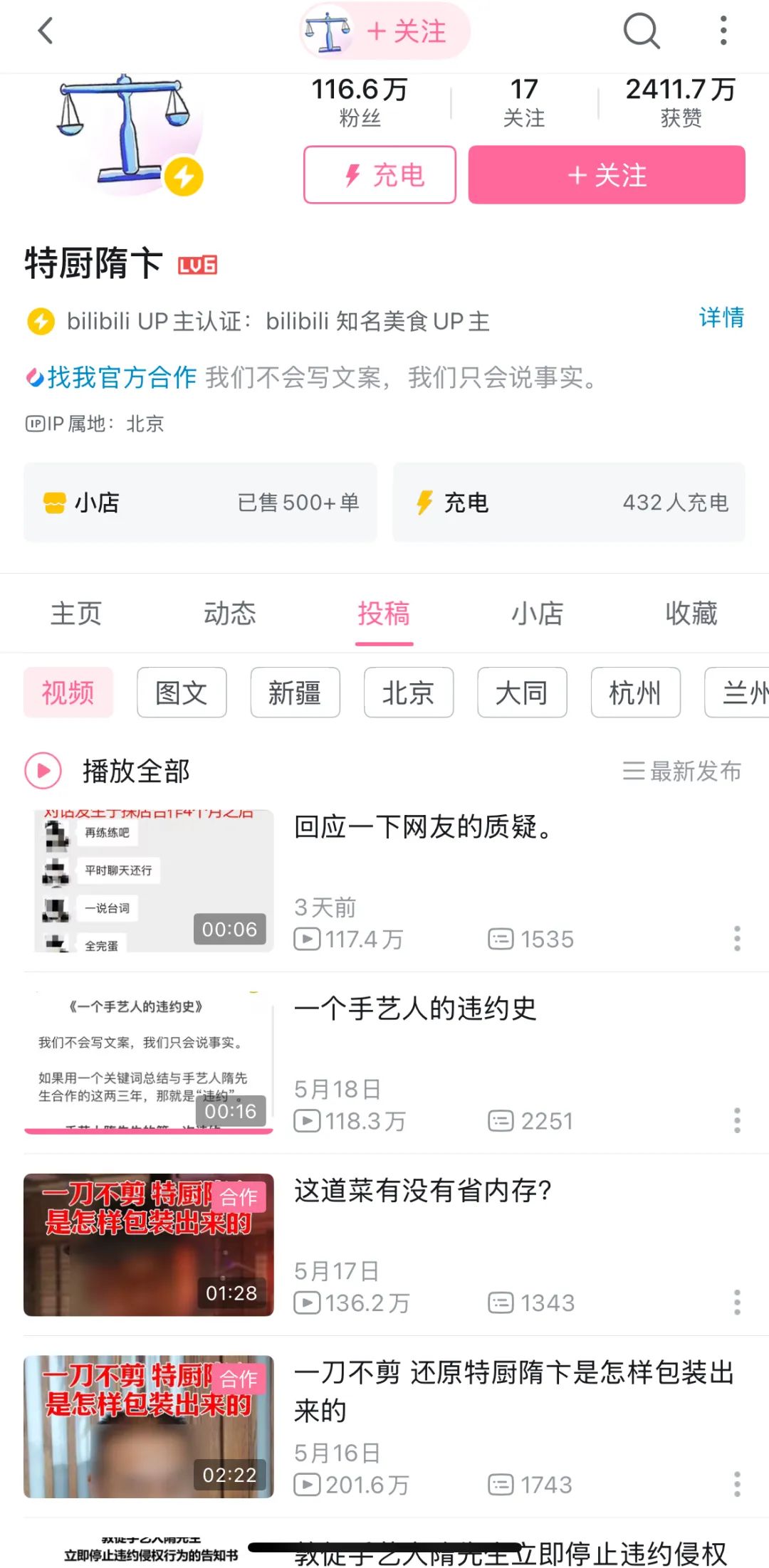
Core Viewpoint - The dispute between Sui Po and the MCN has escalated from a simple contract termination to a public event, highlighting deep-seated conflicts in the influencer economy and the urgent need for trust and model transformation within the industry [1][5][22]. Group 1: Event Timeline and Key Details - The conflict began when Sui Po's contract with the MCN expired on March 18, leading to the MCN's announcement of non-cooperation [6]. - Sui Po launched a new account, @特厨隋坡, on May 1, gaining over 1 million followers within two weeks [6]. - On May 16, the MCN accused Sui Po of breach of contract, claiming that the agreement prohibited him from engaging in related work for a specified period after termination [6][10]. - The MCN's claims included details about revenue sharing from advertisements, which sparked public outrage due to the perceived unfair distribution of profits [8][10]. Group 2: Industry Implications - The incident reflects a broader trust crisis in the influencer economy, with frequent disputes between creators and MCNs indicating systemic issues [5][22]. - The MCN's attempts to manage the situation through public statements have backfired, revealing operational shortcomings and leading to increased public scrutiny [12][22]. - The reliance on a single influencer for revenue generation poses significant risks, as demonstrated by the potential fallout from losing key talent [22][23]. Group 3: Recommendations for Transformation - The industry may need to shift towards a "service-oriented" model, fostering true partnerships between creators and MCNs through equity incentives and collaborative content creation [23]. - Establishing a diversified talent matrix could mitigate risks associated with dependency on individual influencers [23]. - Both MCNs and creators should adopt a long-term perspective on partnerships, emphasizing contractual integrity while pursuing personal and collective growth [23].