
蚕桑业

Search documents
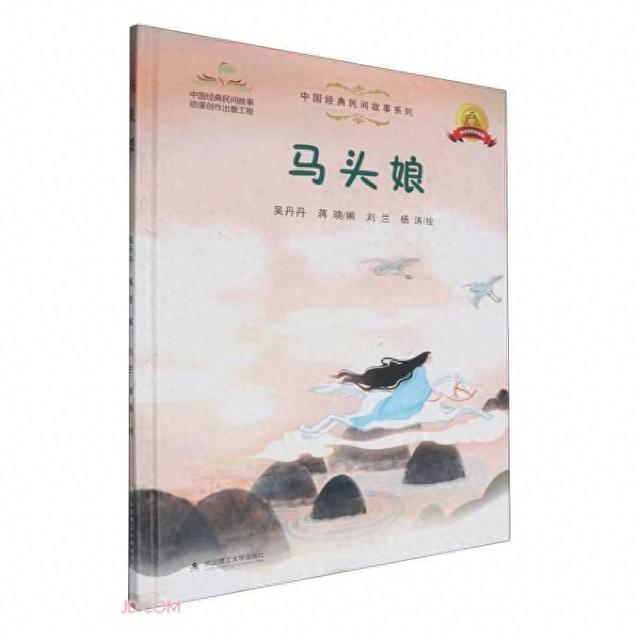
马头娘娘的传说
Xin Lang Cai Jing· 2026-02-18 15:12
Core Viewpoint - The legend of Ma Tuo Niang (Ma Tuo Niang) is a significant cultural symbol in Chinese folklore, representing the god of sericulture and intertwined with various aspects of life, economy, and spirituality [6][7]. Group 1: Legend and Cultural Significance - The story of Ma Tuo Niang originates from the Jin Dynasty and has evolved through folklore and literature, becoming a symbol of both myth and daily life [6]. - The transformation of a farmer's daughter into a silkworm after a series of events highlights the connection between human sacrifice and agricultural prosperity, reflecting the ancient belief that ordinary people can become deities through their contributions [7][9]. - The worship of Ma Tuo Niang is rooted in the historical significance of sericulture in ancient China, where it served as a vital economic pillar for rural families [6][7]. Group 2: Rituals and Practices - Various rituals associated with Ma Tuo Niang, such as the "Cocoon Flower Festival" in the third lunar month, demonstrate the deep-seated agricultural beliefs and practices among silk farmers [9]. - The customs surrounding silk farming, including specific taboos and prayers to Ma Tuo Niang, illustrate the integration of folklore into the daily lives of farmers [9][10]. - The celebration of Ma Tuo Niang's birthday as a silk festival in certain regions showcases the blending of ancient traditions with contemporary cultural expressions [9]. Group 3: Gender and Cultural Representation - The narrative of Ma Tuo Niang challenges traditional depictions of female deities in ancient myths, presenting a relatable figure whose sacrifice benefits the community, thus honoring the spirit of female contribution [10][11]. - The transformation of a common girl into a deity emphasizes the recognition of women's roles in agriculture and society, enriching the portrayal of female figures in Chinese mythology [10][11]. Group 4: Regional Variations and Influence - The legend of Ma Tuo Niang has adapted to various regional cultures, integrating local silk traditions and practices, which enhances its significance across different areas of China [10][11]. - The cross-regional fusion of Ma Tuo Niang's worship has facilitated the exchange of sericulture techniques and cultural practices, reflecting a microcosm of China's cultural unity [10][11]. Group 5: Artistic Representation - Ma Tuo Niang has been a prominent subject in literature and art throughout history, with representations in various forms such as stone carvings, paintings, and folk tales, ensuring the legend's continued relevance [11][12]. - The artistic depictions of Ma Tuo Niang, including her unique imagery, have become classic representations in traditional Chinese art, contributing to the cultural heritage [11][12].

科技赋能专业镇建设!省农科院专家赴化州那务镇开展技术对接
Nan Fang Nong Cun Bao· 2025-12-09 05:34
Core Viewpoint - The article discusses the efforts of the Guangdong Provincial Academy of Agricultural Sciences to support the development of Nawu Town as an innovative professional town, focusing on the silk and Huajuhong industries through technology integration and training [7][10][12]. Group 1: Industry Development - Nawu Town has been recognized as one of the first innovative professional towns in Guangdong Province, emphasizing the development of unique agricultural sectors such as silk and Huajuhong [7][8]. - The Provincial Academy of Agricultural Sciences is acting as a technological support unit, leveraging its expertise to enhance the local agricultural industry [7][8][12]. Group 2: Technical Support and Training - A team of experts from the Provincial Academy conducted a technical exchange with local leaders to understand the current status and challenges of the silk and Huajuhong industries [10][11]. - A specialized training session was held, focusing on standardized cultivation techniques for Huajuhong, attracting over 70 participants, including agricultural technicians and local farmers [14][17]. - The training emphasized the importance of standardized practices in ensuring product quality and enhancing the competitiveness of the Huajuhong industry [19][20]. Group 3: Future Prospects - The article highlights the market potential of Huajuhong as a distinctive agricultural product from Huazhou, indicating a promising future for the industry [19][20]. - The integration of technology and standardized cultivation methods is seen as crucial for the sustainable development and upgrading of the local agricultural sectors [12][19].

商务部等7部门:加快集成推广绿色高质高效技术模式,支持发展桑蚕业特色农产品保险
Xin Lang Cai Jing· 2025-11-17 08:03
Core Viewpoint - The Ministry of Commerce and six other departments have issued a notice to enhance the silk industry in China, focusing on improving the supply chain and technological advancements in the silk production process [1] Group 1: Industry Development - The notice emphasizes the need to strengthen the silk supply capacity and optimize the layout of sericulture regions [1] - It encourages the promotion of green, high-quality, and efficient technological models in the silk industry [1] - The development of specialty agricultural insurance for sericulture is supported to mitigate risks [1] Group 2: Production and Quality Improvement - The initiative aims to stabilize the production capacity of existing silk reeling enterprises and upgrade outdated equipment [1] - There is a focus on optimizing silk production processes to enhance the quality of raw silk products [1] - Implementation of several technological transformation projects in the silk industry is planned, including the application of advanced technologies such as machine selection of cocoons and electronic detection of raw silk [1] Group 3: Environmental and Ecological Considerations - The notice highlights the role of the mulberry industry in addressing issues like soil erosion, desertification, and rocky desertification [1] - It aims to build a green industrial system and an ecological security barrier through sustainable practices [1]

宜州桑蚕产业规模连续20年位居全国县域首位
Guang Xi Ri Bao· 2025-11-10 07:19
Core Insights - The article highlights the transformation of the silkworm industry in Yizhou District, Guangxi, through the adoption of smart farming technologies and data-driven practices, enhancing production efficiency and product quality [1][2][3] Group 1: Industry Development - Yizhou District has maintained its position as the leading county in silkworm production in China for 20 consecutive years, emphasizing its significance as a quality cocoon and silk production base [1] - The district is responding to the national strategy to optimize traditional industries while fostering emerging sectors, focusing on intelligent, green, and integrated development paths [1] Group 2: Technological Advancements - The introduction of real-time monitoring and big data analysis allows farmers to accurately track silkworm growth and address various farming issues, ensuring the health of the silkworm population [2] - Smart farming equipment, including sensitive sensors, automatically regulates environmental conditions in silkworm houses, maintaining optimal growth conditions [2] - Collaborations with research institutions like Southwest University and China Sericulture Research Institute are driving technological upgrades and the establishment of smart silkworm demonstration bases [2] Group 3: Sustainable Practices - The district promotes comprehensive utilization of silkworm resources, developing over 20 new products from silkworm by-products, including mulberry wine and medicinal products [2] - The focus on green development ensures that all parts of the silkworm are utilized efficiently, contributing to a circular economy [2] Group 4: Cultural and Economic Integration - Yizhou District is advancing the integration of silkworm farming with tourism, creating cultural parks and leisure projects that enhance the economic benefits of the industry [3] - This shift from traditional to data-driven farming represents a significant industrial revolution, aligning with national policies aimed at economic development and poverty alleviation [3]
宜州区推动桑蚕业向“新”向“智”
Guang Xi Ri Bao· 2025-11-10 01:58
Core Insights - The article highlights the transformation of the silkworm industry in Yizhou District, Guangxi, through the integration of smart technology and data-driven practices, enhancing production efficiency and product quality [1][2][3] Group 1: Industry Development - Yizhou District has maintained its position as the leading county in silkworm production in China for 20 consecutive years, emphasizing its significance as a quality cocoon and silk production base [1] - The district is actively responding to the national strategy of optimizing traditional industries while fostering emerging sectors, focusing on smart, green, and integrated development paths [1][2] Group 2: Technological Advancements - The introduction of real-time monitoring and big data analysis allows farmers to accurately track silkworm growth and address various breeding issues, ensuring the health of the silkworm population [2] - Smart farming equipment, including sensitive sensors, automatically regulates the environment in silkworm houses, maintaining optimal conditions for silkworm growth [2] Group 3: Economic Impact - A new smart silkworm breeding model has been implemented, resulting in significant production efficiency; for instance, a local base has produced 6,650 kilograms of cocoons with sales revenue of 319,000 yuan as of November this year [1] - Over 30 processing enterprises in the district are developing new products from silkworm resources, including over 20 products such as mulberry wine and medicinal silkworms, promoting a circular economy [2] Group 4: Cultural Integration - The district is promoting the integration of silkworm farming with tourism, creating cultural parks and leisure projects that extend the industry beyond traditional production, thus enhancing income opportunities for local residents [3] - The shift from experience-based to data-driven silkworm farming represents a significant industrial revolution, aligning with national policies to boost economic development and improve livelihoods [3]
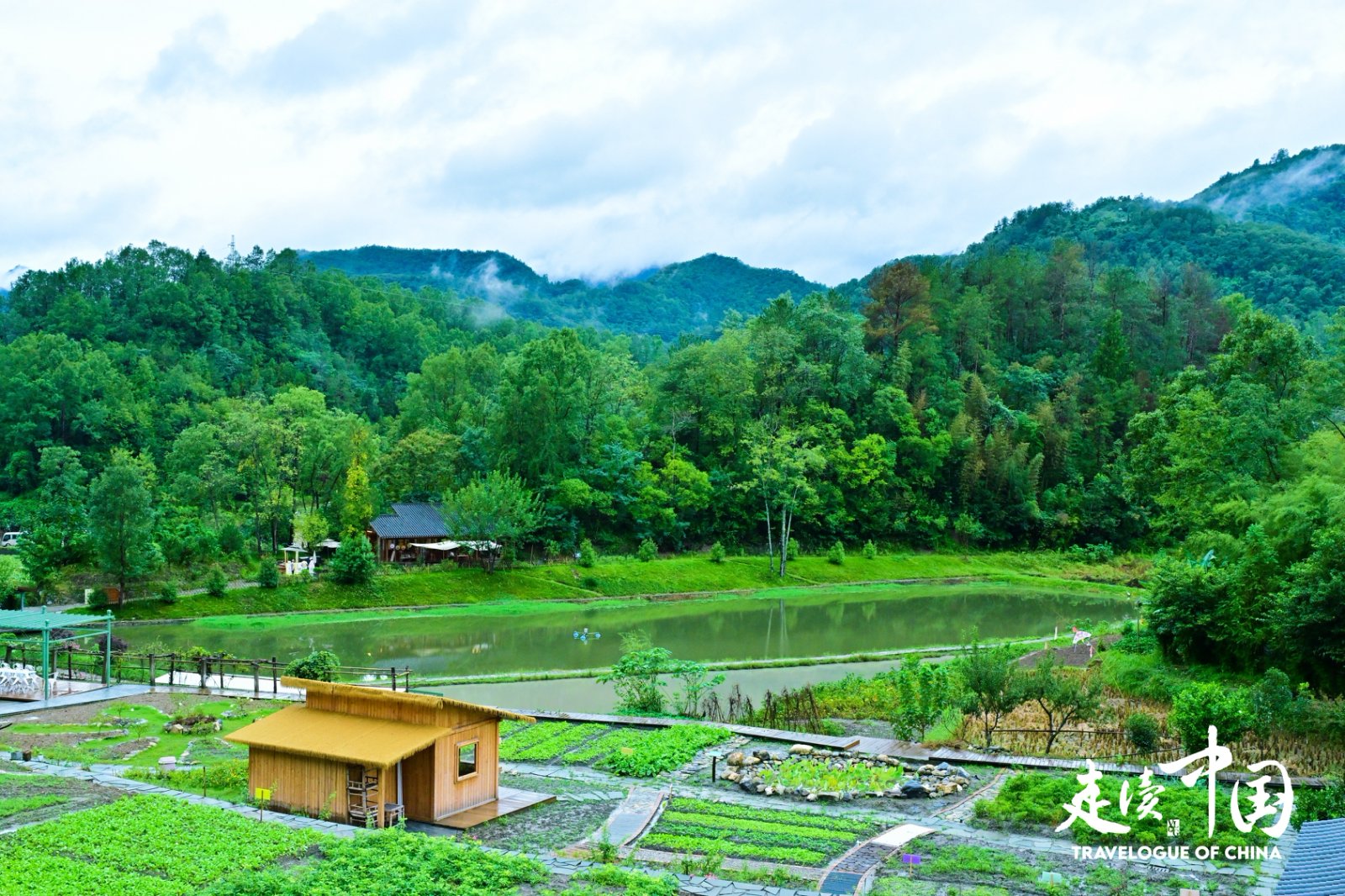
秦巴山居新图鉴:从智能蚕室到朱鹮小村的乡村振兴实践
Huan Qiu Wang· 2025-09-26 07:57
Core Insights - The article highlights the successful rural revitalization efforts in Shiquan County, Shaanxi, focusing on the integration of traditional silk production with modern technology and ecological sustainability [1][3][14] Group 1: Industry Development - Shiquan's revitalization began with silk production, where the Tiancheng Silk Industry Co., Ltd. has modernized traditional processes, achieving a production value of 46.58 million yuan in 2024 [5] - The company employs a "company + cooperative + farmer" model, increasing the average income of local sericulture farmers by 12,000 yuan [5] - The introduction of smart devices in sericulture has reduced labor costs by 80% and shortened the breeding cycle by 16 days, significantly improving silk quality [5] Group 2: Ecological Integration - The region has developed a symbiotic ecological system, integrating rice, fish, and the endangered crested ibis, which has become a key to local development [9][11] - Over 15 million yuan has been invested in environmental improvements, leading to the establishment of organic farmland and a comprehensive waste management system [9] - The introduction of tourism and educational programs related to the ibis has generated significant economic benefits, with 68,000 visitors and 3.2 million yuan in tourism revenue since October 2023 [9][11] Group 3: Community Engagement - The "Four-Income Increase" model allows villagers to become stakeholders in local tourism and cooperative projects, with 51% of tourism company profits going to the village collective [12] - The return of former migrant workers has led to the establishment of 47 family-run businesses, contributing to an average income increase of over 3,000 yuan per person [12] - Community-driven initiatives have transformed idle assets into profitable ventures, enhancing local economic resilience [12][14]
家蚕品种“桂蚕8号”入选农业农村部2025年度农业主导品种
Nan Fang Nong Cun Bao· 2025-08-06 02:30
Core Viewpoint - The "Gui Can No. 8" silkworm variety has been selected as a leading agricultural variety for 2025 by the Ministry of Agriculture and Rural Affairs, highlighting its significance in the industry [1][4]. Group 1: Selection and Characteristics - The Ministry of Agriculture and Rural Affairs has selected 10 major leading technologies, 133 leading varieties, and 143 promoted technologies for 2025 [3]. - "Gui Can No. 8" is a robust, multi-resistant, and high-yield silkworm variety developed by the Guangxi Zhuang Autonomous Region Sericulture Technology Promotion Station since 2010, officially completed in 2018 [5][6]. - This variety shows a 1000-fold improvement in resistance to blood type septicemia compared to conventional varieties and a 5%-10% increase in single leaf cocoon yield [6]. Group 2: Approval and Promotion - "Gui Can No. 8" was approved at the Guangxi level in 2020 and received national approval from the National Animal Genetic Resources Committee in 2024 [7]. - The variety has been included in the Guangxi agricultural leading varieties for three consecutive years from 2023 to 2025 and is listed in the key promotion agricultural achievements catalog by the Guangxi Science and Technology Department [8]. Group 3: Impact and Adoption - Over 600 million leaves of "Gui Can No. 8" have been promoted, resulting in a total cocoon production exceeding 200,000 tons and silkworm farmers' sales revenue surpassing 12 billion yuan [9]. - The variety has been adopted in domestic silkworm regions such as Guangdong, Hainan, and Sichuan, as well as internationally in Vietnam [10].