街区商业

Search documents
视频丨上海菜场“变形”记:满足一站式消费新需求
Sou Hu Cai Jing· 2025-12-02 16:15
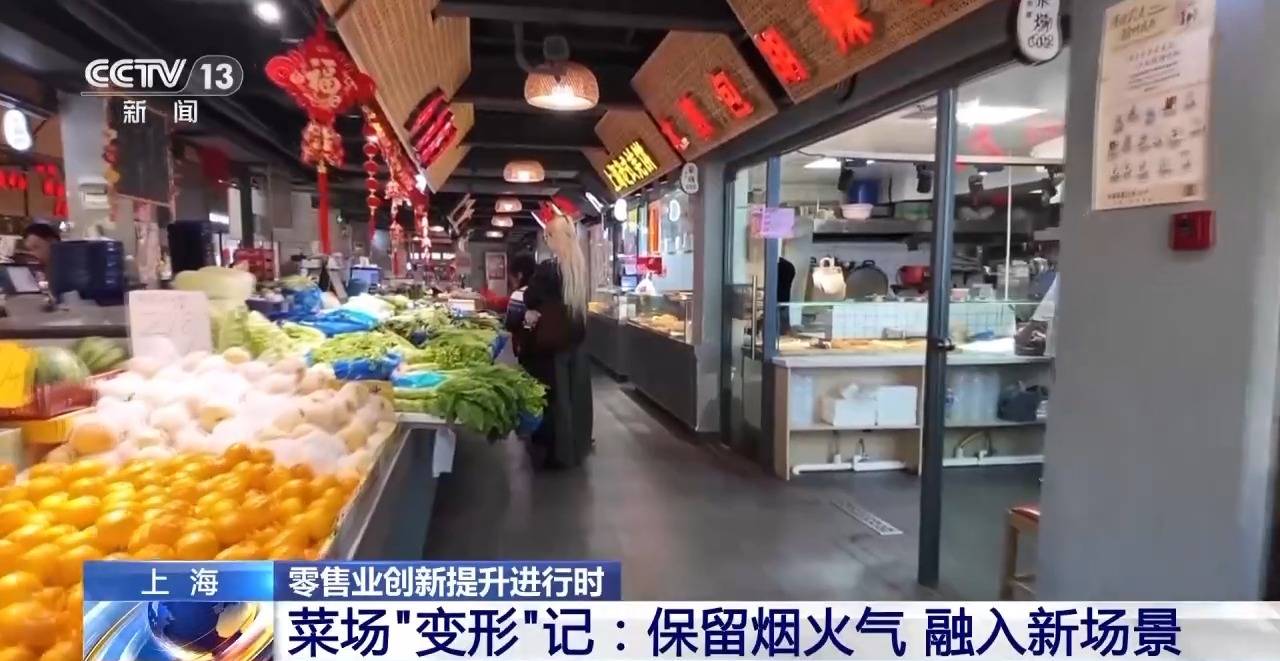
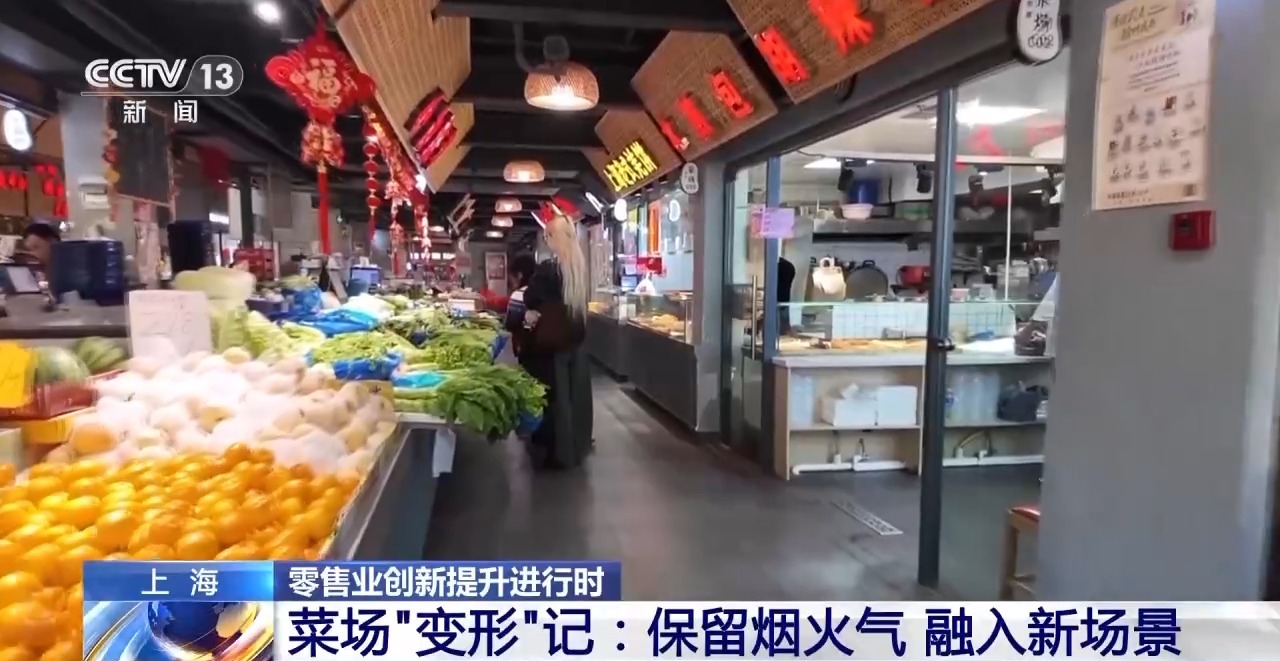
Core Viewpoint - The retail industry in Shanghai is undergoing transformation and upgrades through various innovative measures, including the standardization and modernization of local markets to attract more customers in the face of increasing online shopping convenience [1][10]. Group 1: Market Transformation - Shanghai has initiated standardized renovations for local markets, with approximately one-third of the city's markets already completed [1][16]. - The "I Home Market" in Changning District has been transformed from an industrial site into a modern market that integrates shopping, dining, and socializing, featuring a new dining service [3][10]. - The renovation includes removing barriers to create an open space, enhancing customer experience and safety compliance [7][10]. Group 2: Customer Experience and Engagement - The introduction of dining options has significantly increased profits for vendors, with some reporting income doubling after renovations [9][10]. - New activities such as fashion pop-up events and the addition of trendy businesses like bakeries have attracted a younger demographic to the markets [14][16]. - Customer foot traffic has increased by 20% since the renovations, indicating a successful strategy to draw in more visitors [14]. Group 3: Broader Retail Innovations - The Shanghai government is providing financial support for market renovations, with up to 250,000 yuan in subsidies for each completed project [16]. - The city is also focusing on enhancing public spaces and integrating new retail formats, such as flower shops and art exhibitions, into traditional markets [18][20]. - The "Yuyuan Road" area has seen a blend of old and new businesses, creating a vibrant shopping environment that attracts millions of visitors annually [23][26]. Group 4: Support for New and Old Brands - Policies have been introduced to encourage the development of new brands in unique districts while revitalizing traditional businesses [34][40]. - Initiatives like the "Story Store" allow young entrepreneurs to test their concepts in a supportive environment, fostering local creativity [36][38]. - Established businesses, such as the "Old Uncle Underwear Store," have successfully adapted to attract younger customers, demonstrating the potential for legacy brands to thrive in modern retail landscapes [40][42].

上海菜场“变形”记:满足一站式消费新需求
Yang Shi Xin Wen· 2025-11-30 23:36
Group 1 - The core idea of the article revolves around the transformation and innovation of Shanghai's retail industry, particularly through the standardization and modernization of local markets to attract more customers [1][31]. - Shanghai has initiated a standardized renovation of local markets, with approximately one-third of the city's markets already completed, enhancing their appeal and functionality [1][16]. - The renovated markets feature modern designs, including industrial-style decor and integrated dining options, creating a community space for shopping, dining, and socializing [4][10]. Group 2 - The "I Love My Market" in Changning District exemplifies the transformation, where the market has been redesigned to include dining services, significantly increasing profits for vendors [10][14]. - The government supports these renovations with financial subsidies, providing up to 250,000 yuan from the municipal level for each completed market [16]. - New business models, such as pop-up events and trendy shops, have been introduced to enhance customer experience and engagement within these markets [18][21]. Group 3 - The article highlights the integration of various services and activities in renovated markets, such as flower shops and art exhibitions, catering to modern consumer demands [18][20]. - The renovation efforts also focus on accessibility for elderly customers, including the installation of elevators in markets to facilitate easier access [20][28]. - The overall strategy aims to revitalize not only traditional markets but also small streets and neighborhoods, enhancing commercial vitality and community interaction [21][31].
南方的街区商业,真的比北方好做吗?
3 6 Ke· 2025-11-26 02:43
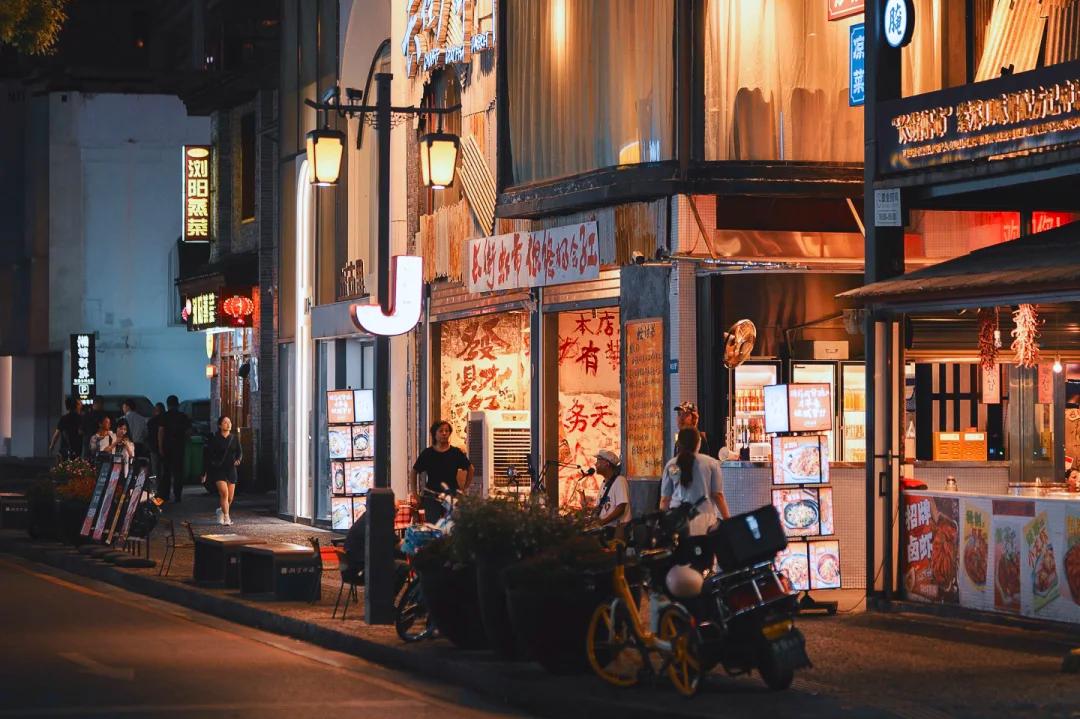
Core Insights - The article discusses the differences in street commercial dynamics between southern and northern cities in China, highlighting that southern areas tend to have more vibrant street life compared to the more indoor-oriented northern regions [1][3]. Group 1: Urban Fabric - Southern cities have naturally developed street patterns that encourage spontaneous shopping and socializing, while northern cities often rely on repurposed industrial spaces that require deliberate design and planning to foster commercial activity [4][6]. - The urban structure in northern cities, characterized by closed communities and wide roads, limits pedestrian access and street-level commerce, creating "traffic islands" that hinder consumer flow [4][6]. Group 2: Climate and Lifestyle - Southern cities benefit from a climate that allows for outdoor activities for over eight months a year, promoting a lively night economy and outdoor dining culture [7][9]. - In contrast, northern climates pose challenges for outdoor commerce, especially during winter months, leading to a preference for indoor activities and social gatherings [7][9]. Group 3: Social and Consumption Patterns - Southern consumers are more open to new experiences and trends, leading to a dynamic commercial environment where innovation is frequent and welcomed [10][11]. - Northern consumers tend to have stronger loyalty to familiar brands and local businesses, resulting in a more conservative consumption approach that emphasizes community and personal relationships [10][11]. Group 4: Scene Evolution - Southern street markets often grow organically, reflecting local culture and consumer needs, while northern markets typically require significant redevelopment efforts to attract visitors [13][15]. - The branding strategies differ, with southern markets focusing on unique, trendy offerings, while northern markets emphasize practicality and community ties [16][18]. Group 5: Operational Logic - Southern street operations thrive on continuous innovation and fresh experiences to maintain consumer interest, often hosting events and collaborations to keep the atmosphere vibrant [19][21]. - Northern street operations focus on building relationships and community engagement, creating a sense of belonging among consumers [19][21]. Group 6: Future Trends - The article suggests that the distinction between southern and northern street commerce is diminishing as both regions adapt to common consumer needs and preferences, emphasizing the importance of local context and community engagement [21][23]. - The future of street commerce will depend on the ability to foster emotional connections and integrate commercial activities with local culture and community life [27][28].