装配式装修

Search documents
生态颠覆行业|微观视界
Jing Ji Guan Cha Wang· 2026-01-10 06:43
Core Insights - In 2023, 8 out of the top 10 companies by market value are ecosystem-based enterprises, indicating a significant shift from traditional product-centric models to expansive business ecosystems that enable exponential growth [2] - The future of competition will focus on scenarios rather than products, emphasizing ecosystem competition over inter-company rivalry [3] Group 1: Ecosystem Transformation - Companies are transitioning from product manufacturers to solution providers, focusing on comprehensive user experiences rather than isolated product functionalities [5][7] - The case of Tianan New Materials illustrates this shift, as it has evolved from a materials company to a provider of health-oriented space solutions, integrating various smart devices into a cohesive ecosystem [6][5] - The integration of products into a complete ecosystem enhances user experience and operational efficiency, as seen in the healthcare sector where devices work together to improve patient care [10][11] Group 2: Scenario-Based Demand - User needs have evolved through three stages: functional needs, experiential needs, and scenario needs, with the latter focusing on comprehensive solutions rather than individual products [7] - Companies must redefine user needs by asking what problems users want to solve, rather than what products they need [8] - Successful ecosystems require cross-industry collaboration to create complete scenario solutions that meet user demands [8][12] Group 3: Digitalization and Ecosystem Integration - Digitalization is a key driver of ecosystem transformation, enabling data-driven decision-making and intelligent operations [14][20] - The integration of digital technologies allows for personalized services and efficient resource management, enhancing overall ecosystem performance [14][15] - Future ecosystems will be characterized by larger scales, higher intelligence, and greater openness, facilitating interconnectivity among various systems [22][23] Group 4: Role of Industry Associations - Industry associations play a crucial role in supporting ecosystem transformation by fostering trust, providing resources, and coordinating efforts among diverse stakeholders [16][18] - The establishment of collaborative systems, such as the "China Manufacturing Mutual Assistance Cooperation System," aims to facilitate cross-industry connections and resource sharing [19] Group 5: Strategic Recommendations for Companies - Companies should redefine their business models to focus on providing scenario-based solutions rather than just products, opening new market opportunities [23][24] - Investment in digital capabilities is essential for successful ecosystem integration, including the development of digital platforms and talent [24] - Engaging in standard-setting initiatives can help establish a foundation for ecosystem collaboration and development [24][25]



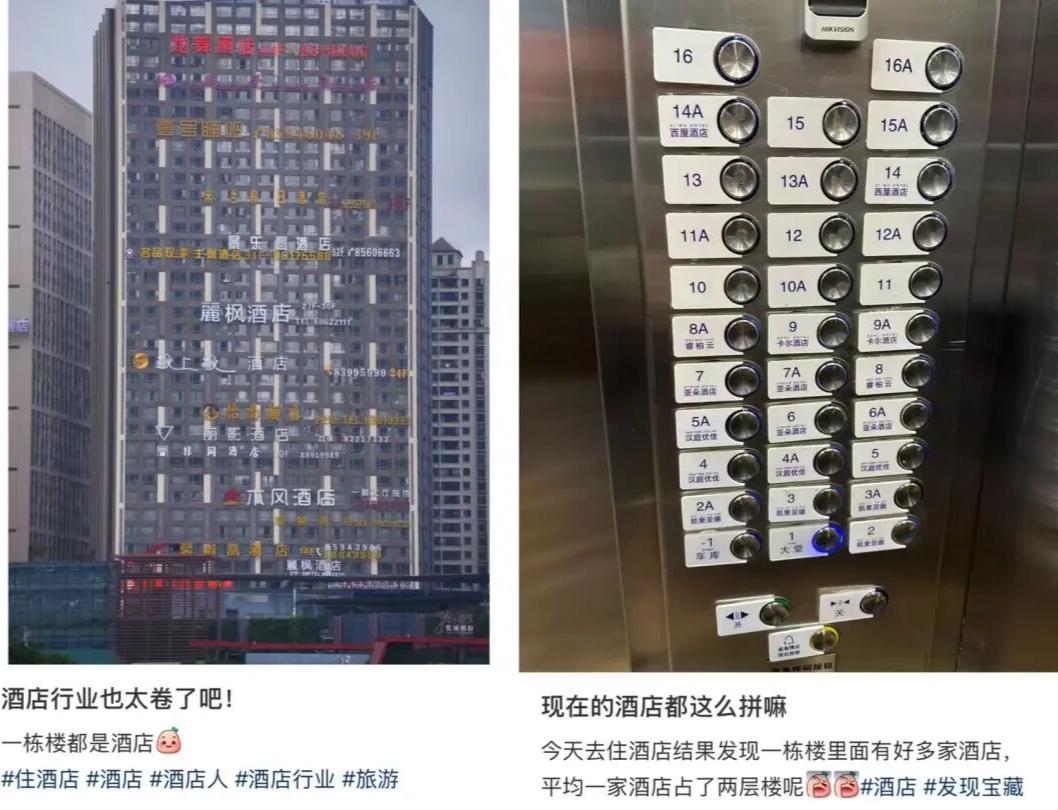
年轻人抢住“拼楼酒店”,家居行业迎新风口
3 6 Ke· 2025-10-23 03:00
Group 1: Market Trends - The rise of "拼楼酒店" (shared building hotels) is transforming old properties, such as former corporate headquarters and vacant office buildings, into hotels, creating new opportunities for the home furnishing and building materials industry [1][2] - The hotel industry is entering a phase of stock competition, prompting major groups to seek low-cost, high-efficiency expansion methods, with old properties becoming attractive due to their prime locations and established facilities [2][3] Group 2: Business Model Innovations - The "拼楼" model allows for shared public facilities, reducing operational costs and catering to a broader consumer base, while also creating a demand for customized home furnishing solutions [3][4] - Different hotel brands within the same building require diverse furnishing solutions, leading to increased demand for tailored products across various market segments [4][5] Group 3: Cost Efficiency and Investment - Renovating existing properties is significantly more cost-effective than new constructions, allowing hotel investors to allocate more budget towards enhancing home furnishing and decor quality [5][6] - The trend of incorporating multifunctional spaces, such as cafes and bookstores within hotels, is gaining popularity, further driving demand for innovative furnishing solutions [5][6] Group 4: Industry Response - Leading home furnishing companies are adjusting their strategies to capture the emerging market opportunities presented by the hotel industry's transformation [7] - Companies like 雅柏家具 and 华耐智装 are positioning themselves to provide comprehensive solutions for high-end hotel furnishings and industrialized interior design, respectively [7][8] Group 5: Technological Advancements - The rise of modular construction is reshaping the traditional supply chain for hotel furnishings, significantly reducing renovation timelines and costs [8][9] - The modular approach allows for efficient assembly and customization, meeting the diverse needs of various hotel brands while maintaining high standards of quality [8][9] Group 6: Future Outlook - The domestic modular renovation market is projected to reach 639 billion yuan by 2025, with a compound annual growth rate of 67.19% over seven years, highlighting the potential for growth in this sector [10] - Companies must balance personalized customization with standardized production to capitalize on the opportunities presented by the shared hotel model [10]