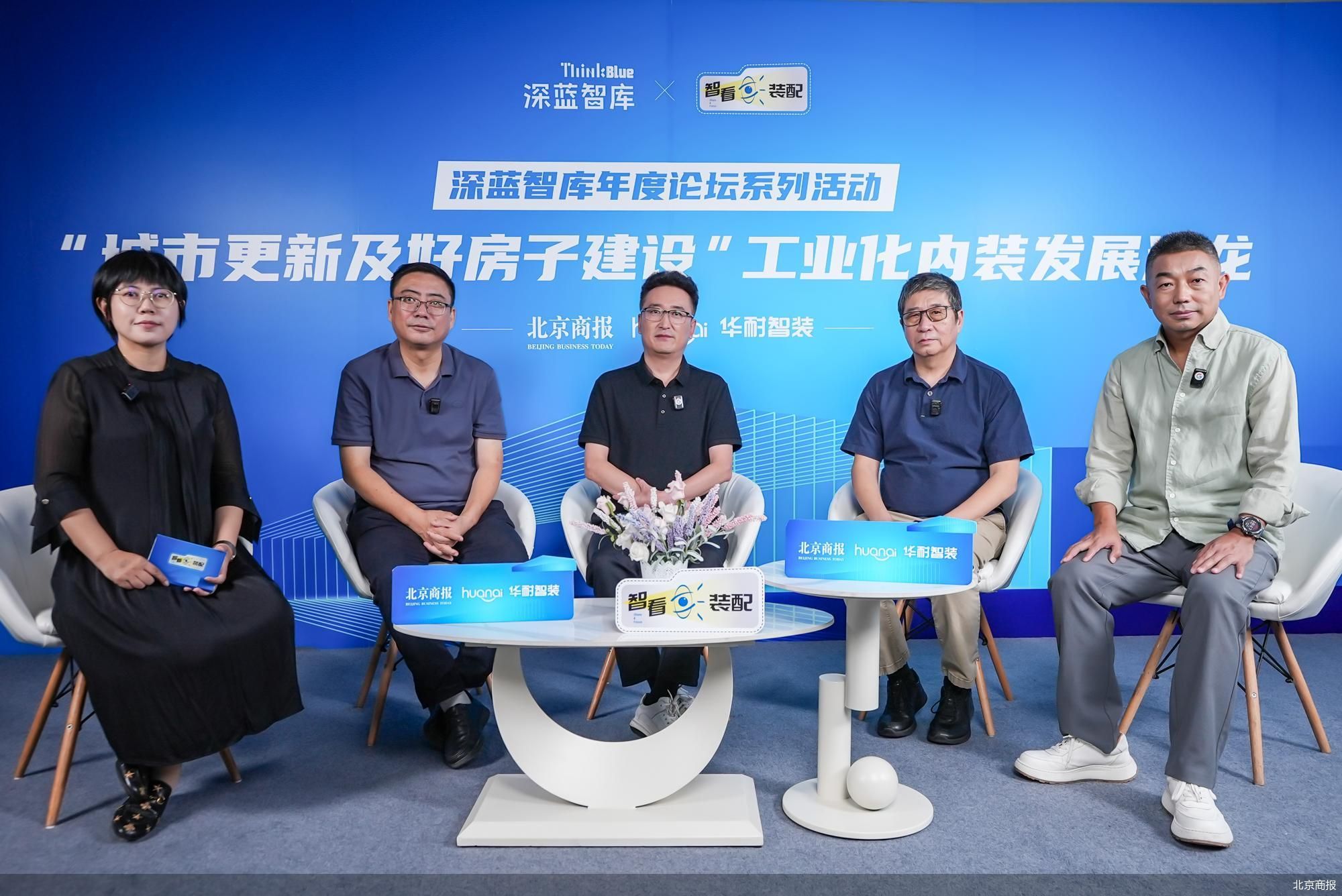
工业化内装

Search documents
老旧房屋改造激活5万亿市场 工业化内装如何借势弯道超车
Bei Jing Shang Bao· 2025-11-27 13:39
Core Insights - The renovation of old houses is becoming a key driver for growth in the home furnishing industry, with the market expected to reach 5.17 trillion yuan by 2028, significantly boosted by old house renovations [1][4][9] - The industrialized interior decoration model is seen as a systematic innovation over traditional renovation methods, addressing pain points in old house renovations and promoting high-quality urban renewal [1][6][9] Industry Growth and Market Dynamics - The home furnishing industry is projected to experience a compound annual growth rate of approximately 2.8% over the next five years, driven by policy guidance and market demand [4][5] - The shift in consumer demand from "housing for all" to "quality housing" is reshaping the industry's focus from expansion to quality enhancement [4][5] Policy and Urban Renewal - The urban renewal policy framework has been continuously improved since 2025, with significant initiatives such as the renovation of 25,000 old urban communities planned for the coming years [5] - As of September 2023, 24,300 old urban communities have already begun renovation, benefiting approximately 48 million households and over 120 million people [5] Industrialized Interior Decoration - Industrialized interior decoration is rapidly emerging as a solution to challenges in traditional renovation, offering advantages such as standardized production, high efficiency, and reduced material waste [6][7] - This method not only ensures stable quality but also significantly enhances construction efficiency while minimizing environmental impact [6][7] Challenges and Collaborative Solutions - Despite its advantages, the industrialized interior decoration sector faces challenges such as insufficient collaboration and the need for improved standards [8] - To overcome these challenges, a collaborative ecosystem is necessary, involving all parties in the supply chain to enhance efficiency and reduce costs [8] Future Outlook - The demand for industrialized interior decoration is expected to grow steadily alongside urban renewal strategies and the ongoing construction of quality housing [9] - The future success of industrialized interior decoration hinges on significant investments in production lines and the development of modular products tailored for old house renovations [9]

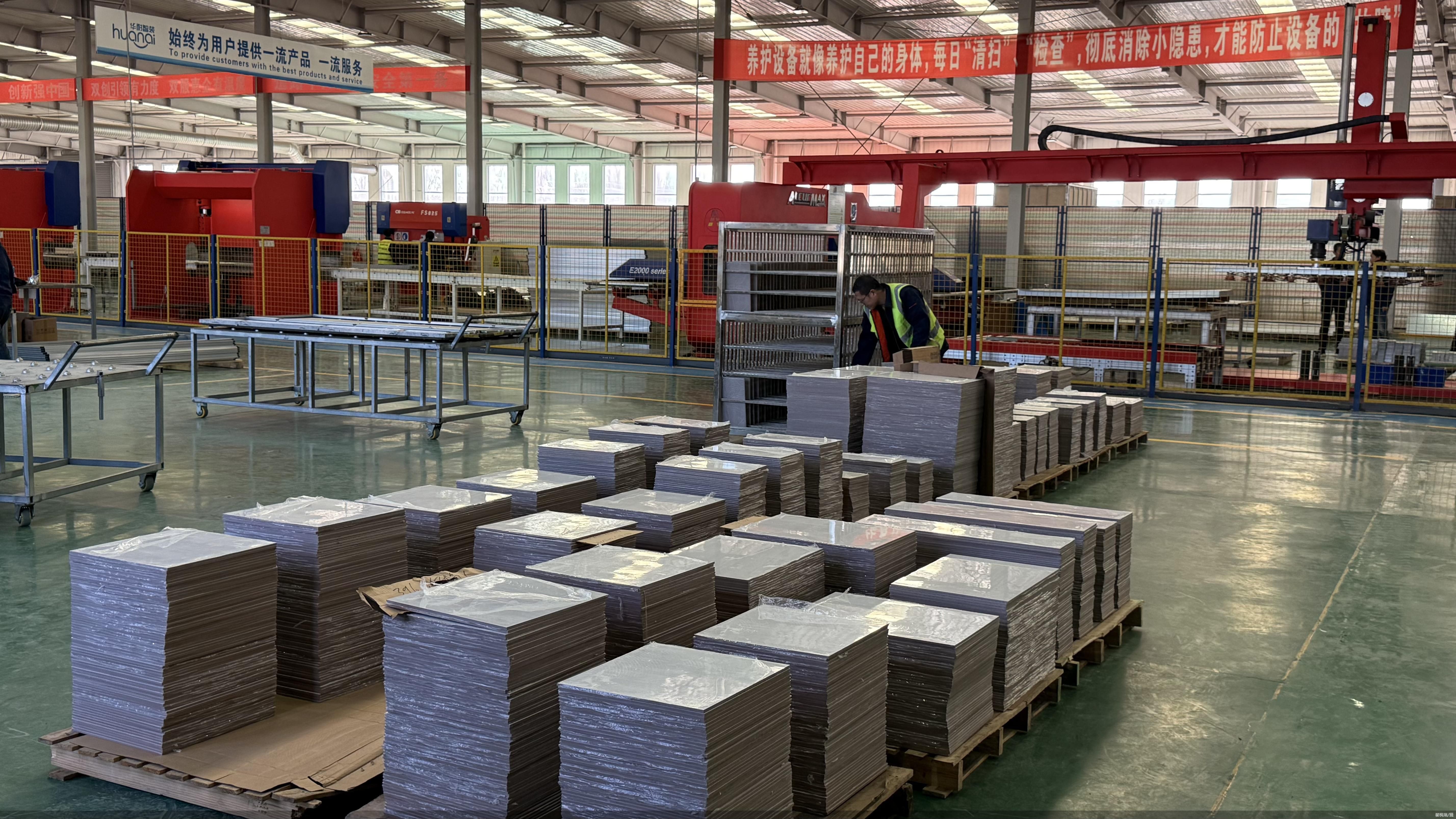
工业化内装进阶需打破成本及个性化关卡
Bei Jing Shang Bao· 2025-11-09 15:28
Core Insights - Urban renewal is becoming a significant force driving local economic development, with industrialized interior decoration emerging as a key solution to challenges such as cost control and personalized adaptation [1][6][9] - The industrialized interior decoration sector is witnessing broad applicability across various fields, including affordable housing, long-term rentals, commercial renovations, and high-end hotels [3][4][6] - Technological advancements and policy support are crucial in driving the growth of industrialized interior decoration, enhancing its efficiency, environmental sustainability, and overall quality [6][7][9] Group 1: Industry Trends - Industrialized interior decoration is increasingly being adopted in urban renewal projects, showcasing its efficiency in reducing construction time and minimizing waste [7][8] - The sector is evolving from early-stage exploration to mature application, with significant improvements in key performance areas such as sound insulation, waterproofing, and environmental friendliness [1][6] - The demand for personalized design in urban renewal projects presents a challenge for industrialized interior decoration, which traditionally relies on standardization [8][9] Group 2: Application Scenarios - In rental housing, industrialized interior decoration significantly enhances the efficiency of property turnover, allowing for quick replacements of problematic components [4][6] - The approach is also being utilized in high-end hotels, where it balances the need for personalized design with the benefits of factory prefabrication and on-site assembly [4][6] - In the renovation of old residential communities, industrialized interior decoration offers unique advantages by upgrading space functionality without compromising structural integrity [5][6] Group 3: Challenges and Opportunities - The main challenge facing the industry is the conflict between the need for personalized design and the cost advantages of standardized production [8][9] - As the industry continues to address cost and personalization issues, the applicability of industrialized interior decoration is expected to expand [8][9] - Companies are focusing on achieving low-cost solutions while ensuring safety, speed, and environmental sustainability in old residential renovations [9]

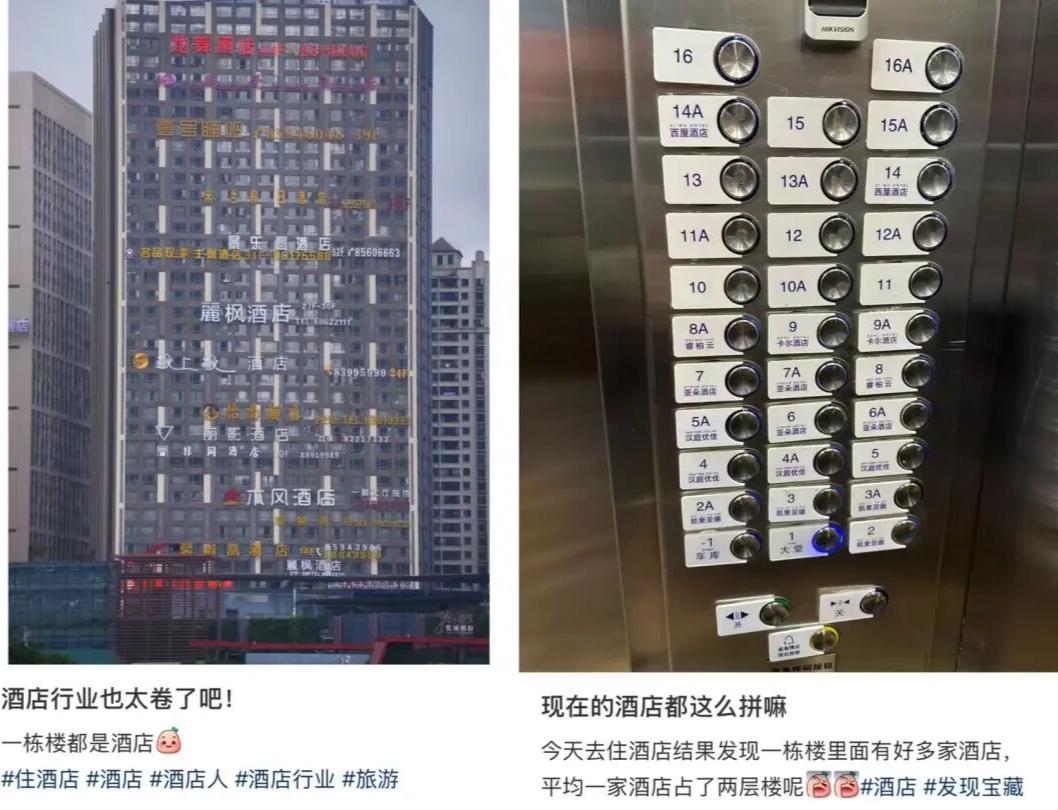
年轻人抢住“拼楼酒店”,家居行业迎新风口
3 6 Ke· 2025-10-23 03:00
Group 1: Market Trends - The rise of "拼楼酒店" (shared building hotels) is transforming old properties, such as former corporate headquarters and vacant office buildings, into hotels, creating new opportunities for the home furnishing and building materials industry [1][2] - The hotel industry is entering a phase of stock competition, prompting major groups to seek low-cost, high-efficiency expansion methods, with old properties becoming attractive due to their prime locations and established facilities [2][3] Group 2: Business Model Innovations - The "拼楼" model allows for shared public facilities, reducing operational costs and catering to a broader consumer base, while also creating a demand for customized home furnishing solutions [3][4] - Different hotel brands within the same building require diverse furnishing solutions, leading to increased demand for tailored products across various market segments [4][5] Group 3: Cost Efficiency and Investment - Renovating existing properties is significantly more cost-effective than new constructions, allowing hotel investors to allocate more budget towards enhancing home furnishing and decor quality [5][6] - The trend of incorporating multifunctional spaces, such as cafes and bookstores within hotels, is gaining popularity, further driving demand for innovative furnishing solutions [5][6] Group 4: Industry Response - Leading home furnishing companies are adjusting their strategies to capture the emerging market opportunities presented by the hotel industry's transformation [7] - Companies like 雅柏家具 and 华耐智装 are positioning themselves to provide comprehensive solutions for high-end hotel furnishings and industrialized interior design, respectively [7][8] Group 5: Technological Advancements - The rise of modular construction is reshaping the traditional supply chain for hotel furnishings, significantly reducing renovation timelines and costs [8][9] - The modular approach allows for efficient assembly and customization, meeting the diverse needs of various hotel brands while maintaining high standards of quality [8][9] Group 6: Future Outlook - The domestic modular renovation market is projected to reach 639 billion yuan by 2025, with a compound annual growth rate of 67.19% over seven years, highlighting the potential for growth in this sector [10] - Companies must balance personalized customization with standardized production to capitalize on the opportunities presented by the shared hotel model [10]
破解房屋运维难题 工业化内装重塑居住生命周期
Bei Jing Shang Bao· 2025-10-20 13:25
Core Insights - The article discusses the evolving consumer demands for housing quality, emphasizing the shift from initial aesthetics to long-term maintenance, updates, and safety [1] - A new industrialized interior decoration model is emerging, focusing on factory prefabrication and on-site assembly to address long-standing operational pain points in the housing industry [1][9] Group 1: Operational Challenges in Traditional Renovation - Traditional renovation relies heavily on manual wet operations, leading to issues such as water leakage, wall hollowing, and poor sound insulation, which significantly affect consumer living experiences [1][2] - Common problems include water leakage in bathrooms, which is often referred to as "building cancer," and the difficulty in repairing hidden plumbing issues, resulting in extensive damage and prolonged repair times [2][5] - The reliance on manual labor in traditional renovation creates variability in quality, influenced by worker skill levels and environmental factors, leading to inconsistent results [5][7] Group 2: Advantages of Industrialized Interior Decoration - Industrialized interior decoration offers a systematic solution to operational pain points, ensuring quality and efficiency through modular design and flexible assembly, which minimizes the need for extensive renovations [5][9] - The use of prefabricated components, such as integrated bathrooms, enhances construction precision and reduces reliance on manual labor, thereby improving overall quality and reducing construction time [4][6] - Industrialized solutions significantly lower maintenance costs by allowing for easier identification and repair of issues, with maintenance costs reduced by over 60% compared to traditional methods [7][8] Group 3: Lifecycle Cost Considerations - There is a common misconception that industrialized interior decoration has high initial costs; however, when considering the total lifecycle costs, it proves to be more economical due to lower maintenance and repair expenses over time [8][9] - Traditional renovations may appear cheaper initially, but they can incur maintenance costs that reach 50% of the initial investment within ten years, while industrialized solutions maintain lower costs [8] - The long-term value of properties with industrialized interiors is higher, with market valuations estimated to be 15% to 20% greater than those with traditional renovations [8][9] Group 4: Future Trends - As urban renewal and the "good housing" initiative progress, industrialized interior decoration is transitioning from a technical option to a standard for quality housing [9] - The continued maturation of modular technology and the improvement of the supply chain will facilitate the broader adoption of industrialized solutions in both new constructions and the renovation of old neighborhoods [9]

工业化内装谋求多元应用场景
Bei Jing Shang Bao· 2025-09-25 16:53
Core Insights - The hotel industry is experiencing dual opportunities from market expansion and upgrading consumer demands, necessitating new requirements for development [1] - Industrialized interior decoration is emerging as a solution to traditional renovation challenges, such as long construction periods, high costs, and insufficient environmental standards [1][4] Market Overview - As of 2024, there are 348,700 hotel facilities and 17,643,200 guest rooms in China, representing 61.17% and 91.52% of the accommodation industry, respectively [2] - The hotel industry typically requires renovations every 5 to 8 years, indicating a substantial demand for refurbishment [2] Industrialized Interior Decoration - Industrialized interior decoration is gaining traction in the hotel sector due to its advantages in cost reduction, efficiency, and sustainability [4] - The use of prefabricated components can reduce renovation costs by 10% to 15% for mid-range hotels and potentially over 20% for mid-to-high-end hotels [4][6] - Renovation timelines have significantly decreased, with some hotels completing renovations in as little as 20 days, a stark contrast to traditional methods [4][5] Technological Integration - The integration of modular and integrated solutions in industrialized interior decoration is becoming a key trend, allowing for efficient assembly and adaptability to various hotel brands [7] - Future developments should focus on enhancing aesthetic value and customization capabilities to meet the demands of younger consumers seeking unique hotel experiences [8][9] Challenges and Future Directions - The industry faces challenges such as a lack of standardized practices and insufficient service capabilities, particularly in lower-tier cities [8] - The application of industrialized interior decoration is expected to increase across various hotel segments, including mid-to-high-end hotels, over the next 3 to 5 years [8][9] - Continuous innovation and talent acquisition are essential for the industry to adapt to evolving market demands and enhance overall service quality [9]


重塑房屋建设流程 工业化内装加速行业转型
Bei Jing Shang Bao· 2025-09-07 13:58
Core Insights - The industrialized interior decoration is emerging as a key solution to address the inefficiencies, quality instability, and resource consumption issues faced by traditional renovation methods, driven by the increasing demand for improved living quality and ongoing urban renewal strategies [1][3] - Industrialized interior decoration aligns with current trends in the construction industry and is expected to become a mainstream choice for future housing construction and urban renewal [3][6] Group 1: Industrialized Interior Decoration Benefits - Standardized production in industrialized interior decoration ensures stable product quality, enhancing living standards [3] - It significantly shortens construction periods, minimizing disruptions to residents' daily lives [3][7] - The approach emphasizes a "full-cycle thinking" to redefine housing standards, addressing traditional renovation pain points from the design stage [4][10] Group 2: Urban Renewal Impact - Industrialized interior decoration plays a crucial role in urban renewal by revitalizing old buildings while respecting their original structures and reducing resource consumption [6] - It offers innovative solutions for common issues in old buildings, such as outdated pipelines and poor spatial layouts, without causing structural damage [6][7] - Successful urban renewal projects integrate industrialized interior decoration with municipal infrastructure and community service upgrades, promoting a comprehensive living experience [7][10] Group 3: Challenges and Solutions - The industry faces challenges such as insufficient construction precision, cost perception issues, and an incomplete standard system [8][9] - Collaboration across the industry is essential to overcome these challenges, with companies adopting group purchasing and long-term partnerships to reduce costs [9] - Policy guidance and consumer education are critical to fostering a competitive environment for industrialized interior decoration and enhancing public understanding of its long-term benefits [10]
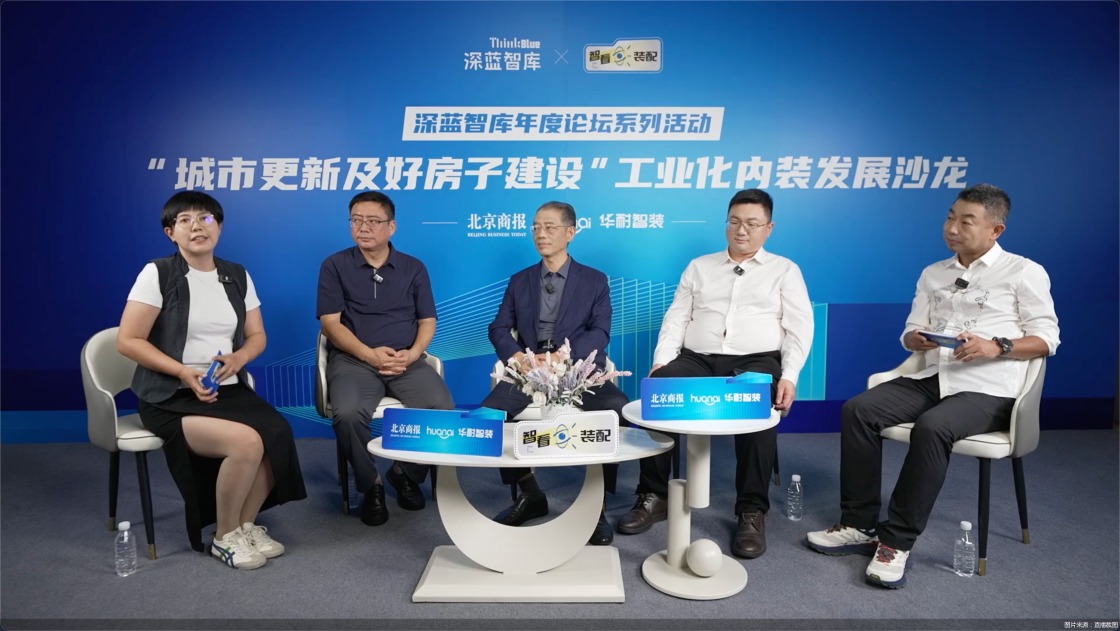
从有居到优居 工业化内装“点亮”城市更新
Bei Jing Shang Bao· 2025-08-27 16:36
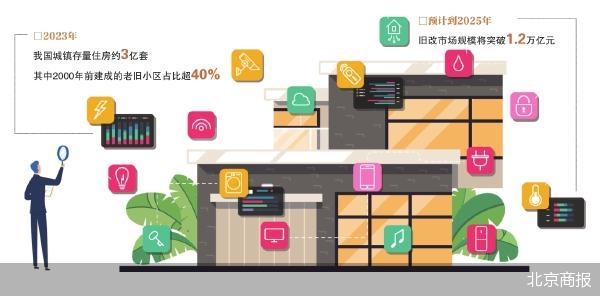
Core Viewpoint - The concept of "good housing" is being redefined in China as the Ministry of Housing and Urban-Rural Development implements the national standard "Housing Project Specifications," emphasizing the transformation of old houses into good houses as a key driver for urban renewal [1][5]. Industry Trends - The shift in urban construction from "incremental expansion" to "stock quality improvement" highlights the importance of renovating old neighborhoods and building quality residences as central to urban renewal [3][5]. - Industrialized interior decoration, characterized by standardized production and modular installation, is emerging as a solution to the inefficiencies and environmental shortcomings of traditional renovation methods [3][4]. Market Demand - The demand for industrialized interior decoration is driven by both policy guidance and consumer needs, with a significant shift in residential expectations from "having a place to live" to "living well" [5][6]. - As of 2023, approximately 300 million urban housing units exist in China, with over 40% built before 2000, indicating a substantial market for renovation [6]. Technological Advancements - The industrialized interior decoration sector is expected to evolve towards more intelligent and refined production techniques, enhancing efficiency and reducing costs [7]. - The integration of automation and smart production equipment is anticipated to increase, further driving production efficiency [7]. Competitive Landscape - The industrialized interior decoration market is becoming increasingly competitive, prompting resource integration and optimization within the industry [8]. - Collaboration among upstream and downstream enterprises in the industrialized interior decoration supply chain is expected to strengthen, creating a comprehensive ecosystem that includes design, production, construction, and operation [8].
从“住有所居”到“住有优居” 工业化内装成城市更新新引擎
Bei Jing Shang Bao· 2025-08-27 15:07
Core Insights - The concept of "good housing" is being redefined in China as the Ministry of Housing and Urban-Rural Development implements the national standard "Housing Project Specifications" [1] - The transition from "incremental expansion" to "stock quality improvement" in urban construction emphasizes the renovation of old neighborhoods and quality housing [3] - Industrialized interior decoration is emerging as a key solution to upgrade old houses into "good houses," driven by market demand and technological innovation [1][4] Industry Trends - The industrialized interior decoration market is gaining momentum as it addresses the inefficiencies and environmental shortcomings of traditional renovation methods [3][4] - The implementation of national standards and policies promoting green development and building industrialization is propelling the growth of industrialized interior decoration [5] - The market for old housing renovations is projected to exceed 1.2 trillion yuan by 2025, with over 40% of urban housing stock being old neighborhoods built before 2000 [6] Consumer Demand - Consumers are shifting their expectations from merely having a place to live to seeking quality living environments, with a focus on improved sound insulation, thermal performance, and reduced disruption during renovations [5][6] - The demand for industrialized interior decoration is driven by the need for efficient, high-quality, and environmentally friendly renovation solutions [7] Competitive Landscape - The industrialized interior decoration sector is expected to see increased competition, leading to resource integration and optimization within the industry [8] - Companies like Huazhu Home are heavily investing in industrialized interior decoration, establishing subsidiaries to enhance production efficiency and reduce reliance on manual labor [4][7] - The collaboration among upstream and downstream enterprises in the industrialized interior decoration supply chain is expected to strengthen, forming a comprehensive ecosystem that includes design, production, construction, and operation [8]