商业生态系统

Search documents
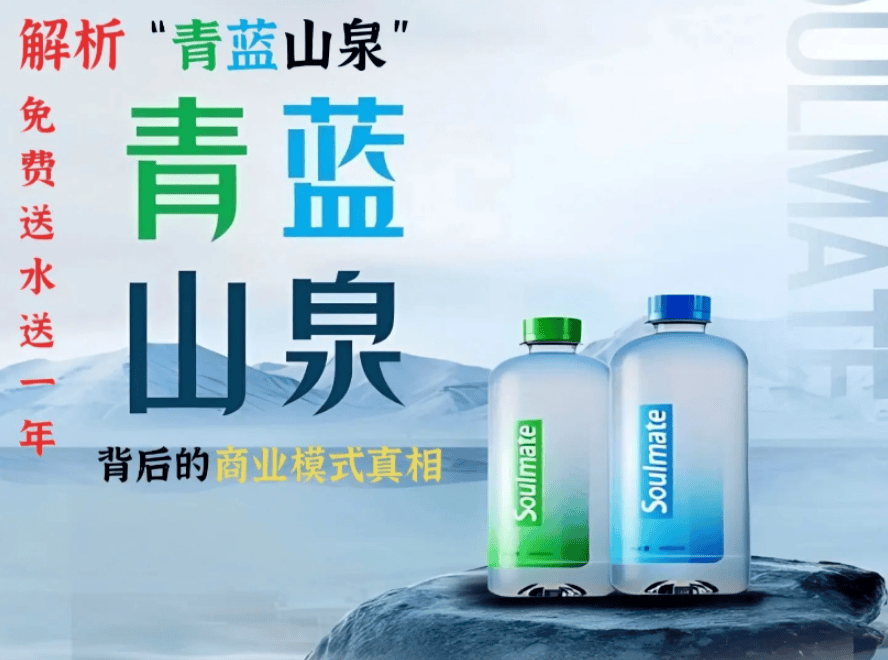
从“搬水工”到“生态玩家”:一桶水背后的商业升级战
Sou Hu Cai Jing· 2026-02-10 18:45
Core Insights - The article discusses the innovative business model of Qinglan Water Delivery, which sells water at 39.8 yuan per barrel while providing daily cash rewards to users, effectively covering 30 districts within six months. This model emphasizes that profitability in today's market relies on connecting products with users to create a sustainable business ecosystem [1]. Group 1: User Engagement Strategies - Qinglan Water's package includes two barrels of water and a 24-day cashback activity, cleverly designed to encourage user engagement and repeat purchases through daily lottery participation [3]. - The lottery mechanism creates a sense of urgency with limited-time offers, resulting in over 40% of users making additional purchases, akin to a well-designed game that enhances user interaction [3]. Group 2: Transformation of Delivery Personnel - Delivery personnel in Qinglan have evolved from mere delivery workers to community "lifestyle managers," providing additional products alongside water, such as fresh fruits and daily necessities [6]. - This transformation significantly increases the value of individual delivery personnel, with earnings exceeding 20,000 yuan per month for those covering a 2-3 km area, and partners managing multiple teams earning between 18,000 to 100,000 yuan [7]. Group 3: Diverse Revenue Streams - Qinglan's business model is not solely reliant on water sales; it has established five distinct profit segments, creating a diversified revenue structure that supports a healthy and sustainable business ecosystem [8]. Group 4: Lessons for Traditional Industries - The key takeaway from Qinglan's model is its design philosophy: using a high-frequency, essential product to enter the market, build trust, and then extend value through diversified services. This approach can be applied to various traditional industries [10]. - Examples include bulk purchasing to reduce costs, community group buying with service fees, targeted advertising for local businesses, membership fee income, and leveraging consumer data for deeper value [10][11]. Group 5: Win-Win Mindset - The success of Qinglan's model represents a victory for a win-win mindset, benefiting users, delivery personnel, partners, and local businesses by creating new sales channels [13]. - In the context of consumption upgrades and digital transformation, traditional industries should reassess their strategies, focusing on adding services, enhancing user experience, and expanding revenue sources [13].

生态颠覆行业|微观视界
Jing Ji Guan Cha Wang· 2026-01-10 06:43
Core Insights - In 2023, 8 out of the top 10 companies by market value are ecosystem-based enterprises, indicating a significant shift from traditional product-centric models to expansive business ecosystems that enable exponential growth [2] - The future of competition will focus on scenarios rather than products, emphasizing ecosystem competition over inter-company rivalry [3] Group 1: Ecosystem Transformation - Companies are transitioning from product manufacturers to solution providers, focusing on comprehensive user experiences rather than isolated product functionalities [5][7] - The case of Tianan New Materials illustrates this shift, as it has evolved from a materials company to a provider of health-oriented space solutions, integrating various smart devices into a cohesive ecosystem [6][5] - The integration of products into a complete ecosystem enhances user experience and operational efficiency, as seen in the healthcare sector where devices work together to improve patient care [10][11] Group 2: Scenario-Based Demand - User needs have evolved through three stages: functional needs, experiential needs, and scenario needs, with the latter focusing on comprehensive solutions rather than individual products [7] - Companies must redefine user needs by asking what problems users want to solve, rather than what products they need [8] - Successful ecosystems require cross-industry collaboration to create complete scenario solutions that meet user demands [8][12] Group 3: Digitalization and Ecosystem Integration - Digitalization is a key driver of ecosystem transformation, enabling data-driven decision-making and intelligent operations [14][20] - The integration of digital technologies allows for personalized services and efficient resource management, enhancing overall ecosystem performance [14][15] - Future ecosystems will be characterized by larger scales, higher intelligence, and greater openness, facilitating interconnectivity among various systems [22][23] Group 4: Role of Industry Associations - Industry associations play a crucial role in supporting ecosystem transformation by fostering trust, providing resources, and coordinating efforts among diverse stakeholders [16][18] - The establishment of collaborative systems, such as the "China Manufacturing Mutual Assistance Cooperation System," aims to facilitate cross-industry connections and resource sharing [19] Group 5: Strategic Recommendations for Companies - Companies should redefine their business models to focus on providing scenario-based solutions rather than just products, opening new market opportunities [23][24] - Investment in digital capabilities is essential for successful ecosystem integration, including the development of digital platforms and talent [24] - Engaging in standard-setting initiatives can help establish a foundation for ecosystem collaboration and development [24][25]


全国名酒下沉攻势下,区域酒企如何构建差异化生存壁垒丨华策酒业评论
Sou Hu Cai Jing· 2026-01-03 14:04
Core Insights - The white liquor industry is undergoing a deep adjustment period, with national liquor brands aggressively pursuing market penetration strategies, posing significant challenges to regional liquor companies [2] - Regional liquor companies must escape the trap of homogeneous competition by establishing differentiated survival barriers to carve out new spaces in a fiercely competitive market [2] Strategic Recognition: Establishing a Differentiated Competitive Mindset - Value differentiation is essential, shifting from simple product benchmarking to a focus on value differentiation by integrating local culture, consumption scenarios, and emotional value [2] - Establish a dynamic competitive advantage insight mechanism to identify core resources and potential advantages in cultural heritage and unique craftsmanship [3] - Develop a brand ecosystem strategy that integrates local cultural IP, specialty industry chains, and consumer communities to enhance competitive barriers [3] Brand Value: Constructing a New Paradigm of Cultural Empowerment - Deeply explore regional cultural symbols to create a transformation mechanism between cultural essence, consumption symbols, and brand narratives [5] - Build a three-dimensional brand value system based on quality, culture, and emotional value, creating a self-reinforcing brand value flywheel [5] - Implement a layered penetration communication strategy to enhance brand momentum through cultural recognition in local elite circles [5] Product Strategy: Creating Differentiated Value Carriers - Develop distinctive flavor landmark products while adhering to traditional craftsmanship, creating a sensory experience system [7] - Upgrade quality expression through a five-sense experience quality expression system, transforming traditional metrics into perceivable consumer experiences [9] Channel System: Constructing a New Ecosystem for Deep Distribution - Implement a grid-based deep distribution strategy, upgrading the traditional channel system into a three-network integration model [11] - Establish a smart terminal management system for digital transformation, enabling visualized sales and intelligent inventory management [11] - Create a consumer operation closed loop combining offline experiences, online interactions, and community operations [12] Organizational Capability: Forging a Flexible Combat System - Reform the organizational structure into a modular format, enhancing responsiveness and operational efficiency [14] - Implement a three-type talent cultivation plan to enhance team capabilities in cultural interpretation, data operation, and user-centric service [15] - Develop a value-oriented incentive mechanism that shifts focus from sales to value creation, guiding organizational behavior towards long-term value [16] Conclusion - Regional liquor companies must build a differentiated competitive system based on deep exploration of regional culture to navigate the pressures of national brands [16] - The future competition in the white liquor market will hinge on the depth of culture and speed of innovation, necessitating a commitment to regional characteristics and innovative transformation [16]

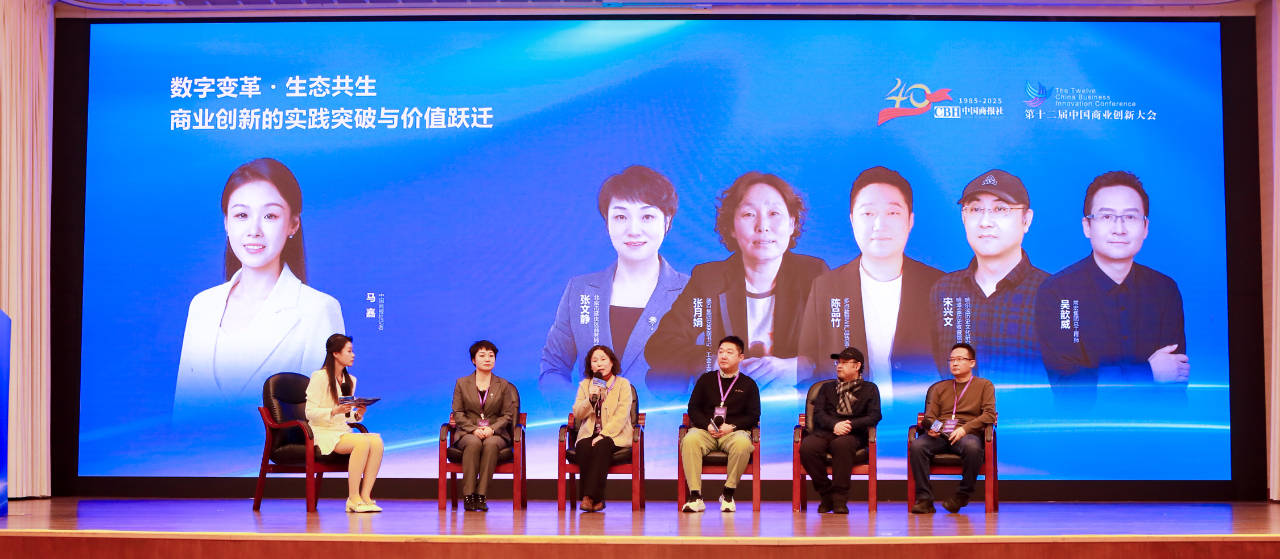
“生态共生”取代“单打独斗” 数字时代商业核心范式迎来转变
Sou Hu Cai Jing· 2025-12-18 15:18
Group 1 - The core message of the roundtable discussion is that the underlying logic of competition in Chinese commerce is undergoing profound reconstruction, shifting from traditional linear competition to an open, collaborative, and value-sharing business ecosystem, which is essential for survival and high-quality development [1][6] - The challenges faced by physical retail include a redefined consumer expectation for shopping experiences that provide emotional and situational value, necessitating a transformation from mere sales to becoming service providers and cultural operators [2][3] - Digital tools are evolving from enhancing internal efficiency to facilitating external ecological connections, with a focus on data flow efficiency between ecosystems, indicating that digitalization must transition from internal empowerment to external integration [3][4] Group 2 - The physical spaces in commercial digital transformation must also adapt, requiring a comprehensive digital approach throughout the lifecycle of construction, which faces structural challenges such as data silos and a lack of skilled talent [4][5] - Cultural elements play a crucial role in connecting and empowering commercial spaces, as demonstrated by the successful integration of historical architecture into modern commercial experiences, fostering a sense of community and shared value [4][5] - The role of local governments is evolving from mere management to becoming creators and maintainers of ecological conditions, with initiatives aimed at transforming regional cultural resources into commercial development momentum [5][6] Group 3 - The micro-foundation of commercial ecosystems lies in specific partnerships, shifting from a focus on rental efficiency to valuing brand resonance and collaborative efforts in creating unique market experiences [7] - The relationship between commercial entities and brands is evolving from a landlord-tenant model to a partnership model based on co-creation of value, emphasizing the importance of digital capabilities in enhancing customer service [7] - The future competitive advantage in business will increasingly depend on the ability to build, integrate, and lead ecosystems, moving away from isolated operations to collaborative co-creation [7]
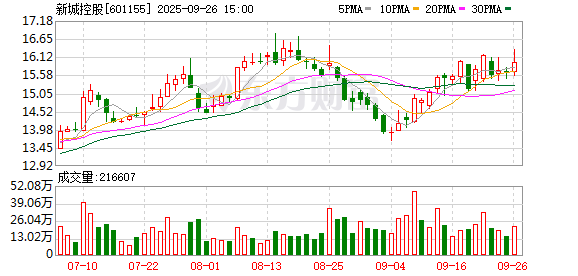
新城控股再启商业新篇 发布2025“悦链计划”及“吾悦经营五步法”
Zheng Quan Ri Bao· 2025-09-26 14:05
Core Insights - The event held by Xincheng Holdings focused on collaboration and opportunities in the commercial sector, introducing the "Yuyue Management Five-Step Method" to enhance operational strategies [2][3] - The newly launched "Yuelian Plan" aims to create an open and symbiotic commercial ecosystem by partnering with quality brands and agents across the country [2][6] Group 1: Yuyue Management Five-Step Method - The five-step method includes "Build Good Space," "Group Content," "Find Brands," "Increase Sales," and "Share Profits," emphasizing refined and professional commercial operations [3][5] - A significant investment of 400 million yuan has been made this year for space renovation and quality improvement across 88 projects [3][4] - The method aims to standardize management and enhance the quality of commercial spaces, ensuring a better experience for consumers [3][5] Group 2: Yuelian Plan - The Yuelian Plan seeks to establish a sustainable resource connection and value co-creation platform by selecting top brands and core agents [6][7] - It transforms traditional one-way recruitment into a three-way win model, linking quality brands with capable agents [6][7] - The first phase will involve selecting 10 certified brands and 80 strong agents to ensure high-quality collaboration [6][7] Group 3: Financial Performance - In the first half of the year, Xincheng Holdings achieved a total commercial operation revenue of 6.944 billion yuan, marking an 11.8% year-on-year increase [7] - The gross profit from property leasing and management reached 4.573 billion yuan, with its contribution to total gross profit rising from 57.21% to 77.06% [7] - The gross profit margin reached 71.20%, showcasing the company's resilience and leadership in the commercial sector [7]

“金融航母”穿越周期:生态共赢、AI领航
市值风云· 2025-06-25 15:20
Core Viewpoint - China Ping An is establishing a unique "comprehensive finance + healthcare" ecosystem, which is gaining market confidence and demonstrating strong financial performance through strategic integration of finance, technology, and healthcare services [4][5][6]. Group 1: Financial Performance and Market Confidence - On June 25, 2023, China Ping An's A-shares rose by 1.92% to 57.88 CNY, marking a four-day consecutive increase and reaching a new high for the year, while H-shares increased by 3% to 51.45 HKD, also achieving four consecutive days of gains [2]. - The total market capitalization of Ping An has surpassed 1 trillion CNY, reflecting market validation of its strategic layout and the value created by its integrated financial and healthcare model [2][4]. Group 2: Dividend Strategy and Resilience - Ping An's dividend strategy exemplifies its balance between internal accumulation and external returns, with a significant increase in dividend payouts from 3.17 billion CNY in 2011 to 46.17 billion CNY in 2024, representing a compound annual growth rate of 23% [6][9]. - The per-share dividend has risen from 0.4 CNY in 2011 to 2.55 CNY in 2024, with the dividend yield increasing from 1.2% to 4.8% [6][11]. - Cumulatively, Ping An's cash dividends from 2011 to 2024 reached 358.9 billion CNY, significantly outpacing competitors like China Life and China Pacific Insurance [9][11]. Group 3: Competitive Advantages and Ecosystem - Ping An's "comprehensive finance + healthcare" ecosystem is characterized by deep data integration and scenario collaboration, creating a unique value network that combines financial and service attributes [27][31]. - The company has built a substantial customer base, with 63% of clients enjoying services from its healthcare ecosystem, leading to higher customer retention rates [12][29]. - Ping An's competitive barriers are reinforced by its extensive data assets, with 245 million customers generating comprehensive behavioral data, facilitating a positive feedback loop of service optimization and customer retention [29][31]. Group 4: Technological Innovation and Patent Leadership - Ping An leads in patent applications within the financial technology and healthcare sectors, with 8,582 patents in fintech and 4,176 in healthcare, surpassing major competitors [17][21]. - The company has established a three-tier model system for AI applications, significantly enhancing its operational efficiency and product offerings [22][24]. - Ping An's technological innovations have resulted in substantial economic benefits, with AI-driven products generating over 200 billion CNY in sales and achieving significant cost savings [22][24].