超市运营

Search documents
倒计时两周!交易员备战日本大选:高市交易策略重燃,日元保卫战一触即发
Zhi Tong Cai Jing· 2026-01-27 01:39
Group 1 - The Japanese government is preparing for increased volatility in the bond market, potential currency interventions, and fluctuations in the stock market as the early election approaches [1] - Concerns over government fiscal expansion have led to a significant drop in bond prices, resulting in substantial losses for investors and increased debt servicing pressure for the government [1] - Prime Minister Fumio Kishida's proposed two-year exemption on food consumption tax and military spending expansion have caused noticeable fluctuations in stock market sectors [1] Group 2 - Traders are betting that the election will further solidify Kishida's governing authority, allowing for more robust economic stimulus measures [2] - The market is expected to revert to traditional trading strategies, favoring long positions in stocks and short positions in the yen, while betting on falling bond prices and rising yields [2] - The proposed food tax exemption is estimated to cost approximately 5 trillion yen (around 32 billion USD) annually, raising concerns about Japan's fiscal discipline regardless of the election outcome [2] Group 3 - If the opposition coalition performs better than expected, political instability could further pressure both the stock and bond markets [3] - Should the government implement the food consumption tax exemption, sectors related to food, such as supermarket operators, may benefit despite potential opposition victories [3] - Kishida's commitment to expanding the defense budget could make defense and military technology stocks significant winners if his coalition retains a majority [3] Group 4 - The recent rise in Japanese government bond yields has negatively impacted the stock market, prompting caution regarding market price fluctuations [4] - The Bank of Japan's decision to maintain interest rates has investors closely monitoring the election's impact on future monetary policy [5] - If Kishida's influence increases, the Bank of Japan may face pressure to delay interest rate hikes, potentially exacerbating yen depreciation [5] Group 5 - The Japanese government has indicated readiness to intervene in the currency market if the yen continues to weaken, following previous interventions at critical exchange rate levels [5] - Market expectations for government intervention in the currency market have risen significantly, with limited upward movement anticipated for the dollar-yen exchange rate if the yen continues to weaken [5] Group 6 - The evolving relationship between Japan and China post-election is a key concern for investors, especially following diplomatic tensions related to comments made by Kishida [6] - Ongoing trade frictions with China and the impact of the Russia-Ukraine conflict are significant issues for Japan's economic outlook [7] - Political stability has historically been a core attraction for Japanese markets, but this advantage is perceived to be diminishing [7]
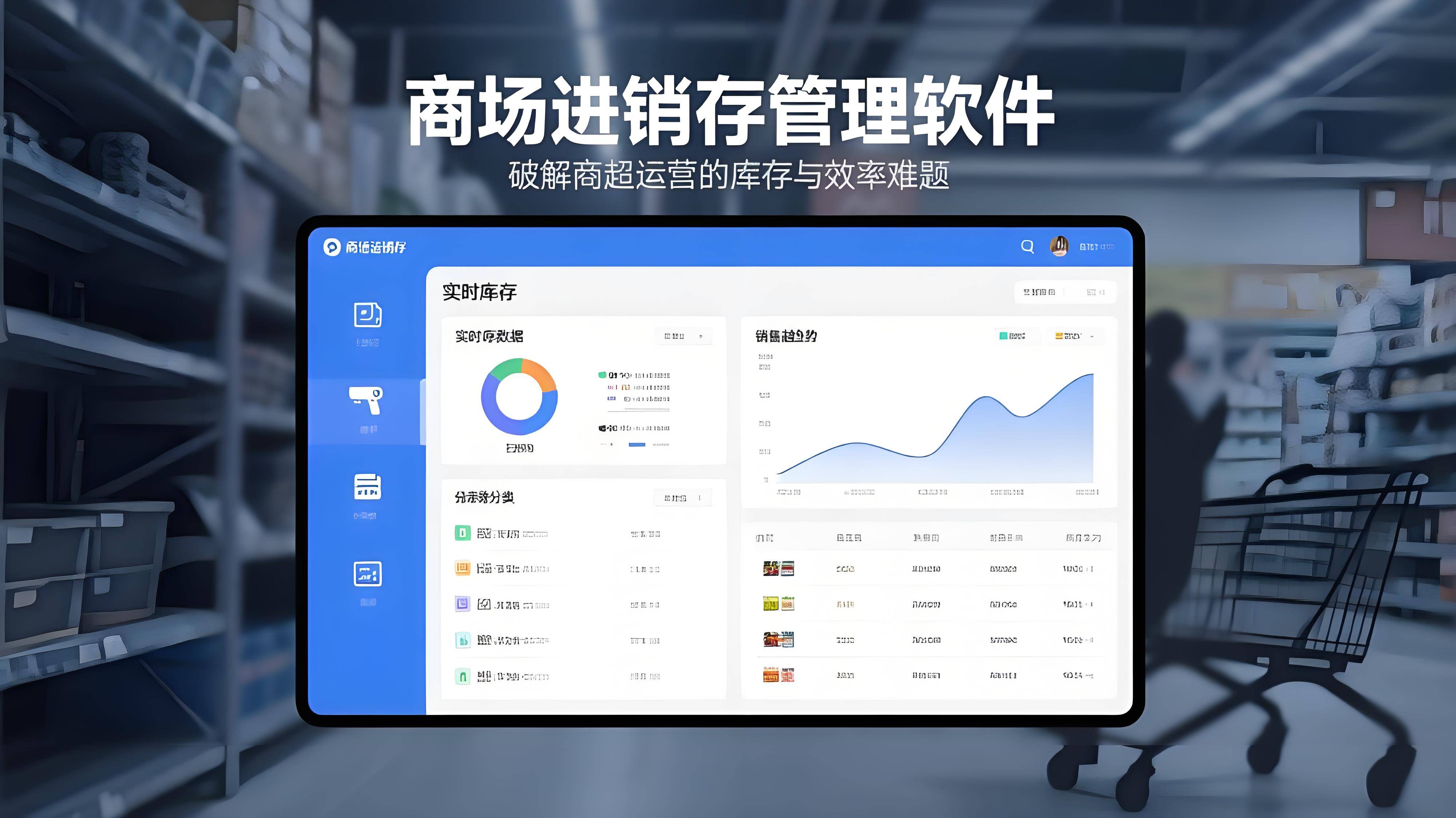
商场进销存管理软件真能破解商超运营的库存与效率难题吗?
Sou Hu Cai Jing· 2025-09-02 10:02
Core Insights - The article discusses the challenges faced by managers in supermarkets and shopping malls regarding inventory and efficiency, highlighting the potential of inventory management software to address these issues [1] Group 1: Inventory Management Challenges - Inventory chaos is a significant issue, with traditional methods leading to inaccuracies due to excessive manual intervention, resulting in lost records and inefficient stock management [4] - The implementation of inventory management software allows for precise tracking of each item, improving inventory accuracy from 82% to 99.5% and reducing stocktaking time from two days to one hour [4] Group 2: Real-time Data and Decision Making - Delayed data can lead to poor decision-making, as managers may miss sales opportunities due to slow data aggregation processes [5] - The software enables real-time data collection and reporting, allowing managers to adjust inventory and sales strategies promptly, reducing the proportion of unsold items from 18% to 6% [5] Group 3: Multi-store Coordination - Coordination between multiple stores is often problematic due to lack of information sharing, leading to unnecessary reorders and stockpile issues [6] - The software facilitates data sharing and efficient stock transfers between stores, significantly reducing the time required for inter-store transfers from two days to as little as two hours [6] Group 4: Cost Reduction and Efficiency Improvement - The software helps reduce labor costs and inventory losses, allowing fewer staff to manage inventory while minimizing waste from expired or unsold goods [7] - A specific case showed a reduction in inventory loss rates from 15% to 7%, translating to monthly savings of nearly 20,000 yuan [7] Group 5: Conclusion and Recommendations - The article concludes that inventory management software can effectively resolve operational challenges in supermarkets, enhancing customer experience and optimizing product offerings [8] - It emphasizes the importance of selecting appropriate software based on store size and type, as well as the need for reliable vendor support [8]