高市交易策略

Search documents
倒计时两周!交易员备战日本大选:高市交易策略重燃,日元保卫战一触即发
Zhi Tong Cai Jing· 2026-01-27 01:39
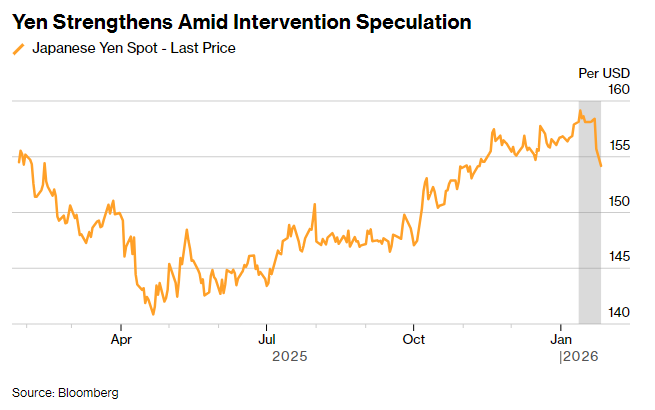
Group 1 - The Japanese government is preparing for increased volatility in the bond market, potential currency interventions, and fluctuations in the stock market as the early election approaches [1] - Concerns over government fiscal expansion have led to a significant drop in bond prices, resulting in substantial losses for investors and increased debt servicing pressure for the government [1] - Prime Minister Fumio Kishida's proposed two-year exemption on food consumption tax and military spending expansion have caused noticeable fluctuations in stock market sectors [1] Group 2 - Traders are betting that the election will further solidify Kishida's governing authority, allowing for more robust economic stimulus measures [2] - The market is expected to revert to traditional trading strategies, favoring long positions in stocks and short positions in the yen, while betting on falling bond prices and rising yields [2] - The proposed food tax exemption is estimated to cost approximately 5 trillion yen (around 32 billion USD) annually, raising concerns about Japan's fiscal discipline regardless of the election outcome [2] Group 3 - If the opposition coalition performs better than expected, political instability could further pressure both the stock and bond markets [3] - Should the government implement the food consumption tax exemption, sectors related to food, such as supermarket operators, may benefit despite potential opposition victories [3] - Kishida's commitment to expanding the defense budget could make defense and military technology stocks significant winners if his coalition retains a majority [3] Group 4 - The recent rise in Japanese government bond yields has negatively impacted the stock market, prompting caution regarding market price fluctuations [4] - The Bank of Japan's decision to maintain interest rates has investors closely monitoring the election's impact on future monetary policy [5] - If Kishida's influence increases, the Bank of Japan may face pressure to delay interest rate hikes, potentially exacerbating yen depreciation [5] Group 5 - The Japanese government has indicated readiness to intervene in the currency market if the yen continues to weaken, following previous interventions at critical exchange rate levels [5] - Market expectations for government intervention in the currency market have risen significantly, with limited upward movement anticipated for the dollar-yen exchange rate if the yen continues to weaken [5] Group 6 - The evolving relationship between Japan and China post-election is a key concern for investors, especially following diplomatic tensions related to comments made by Kishida [6] - Ongoing trade frictions with China and the impact of the Russia-Ukraine conflict are significant issues for Japan's economic outlook [7] - Political stability has historically been a core attraction for Japanese markets, but this advantage is perceived to be diminishing [7]
倒计时两周!交易员备战日本大选:高市交易策略重燃 日元保卫战一触即发
智通财经网· 2026-01-27 00:52
Group 1: Election Impact on Markets - The upcoming Japanese election is expected to increase volatility in the bond market, with concerns over government intervention in the currency market and fluctuations in the stock market [1] - Prime Minister Fumio Kishida's proposed two-year exemption on food consumption tax and military spending expansion have led to noticeable fluctuations in stock market sectors [1][5] - Market participants are closely monitoring the positions of political parties on government spending and tax policies as the election date approaches [1] Group 2: Trading Strategies and Market Sentiment - Traders are betting that the election will further solidify Kishida's governing authority, allowing for more aggressive economic stimulus measures [2] - The prevailing trading strategy is to go long on stocks and short on the yen, while betting on falling bond prices and rising yields [2] - Analysts suggest that if the opposition performs better than expected, it could lead to political instability, negatively impacting both the stock and bond markets [6] Group 3: Sector-Specific Insights - If Kishida's administration secures a majority, defense and military technology stocks are expected to benefit from increased defense budgets [6] - The food sector, particularly supermarket chains, may also see positive impacts from the proposed tax cuts, with Life Corp. recently experiencing significant stock gains [6] - Financial stocks have been performing well due to rising interest rates, but concerns over bond price declines may pressure bank stocks [6] Group 4: Currency and Economic Policy - The yen's recent fluctuations are affecting export companies, and the bond market's volatility is weakening market risk appetite [6] - Analysts warn that if the yen continues to weaken, the Bank of Japan may face pressure to delay interest rate hikes, potentially exacerbating yen depreciation [8] - The government has indicated readiness to intervene in the currency market if necessary, as seen in past interventions when the yen reached critical levels [9] Group 5: Geopolitical Considerations - The relationship between Japan and China remains a significant concern, especially following diplomatic tensions related to Taiwan [12] - Political stability is crucial for market attractiveness, and any clear political outcomes from the election could lead to increased investor confidence [12] - The ongoing geopolitical issues, including the Russia-Ukraine conflict, are also influencing market dynamics and investor sentiment [12]

“高市策略”可能加速破灭,日本恐怕面临“三重下跌”?
Sou Hu Cai Jing· 2025-11-21 08:52
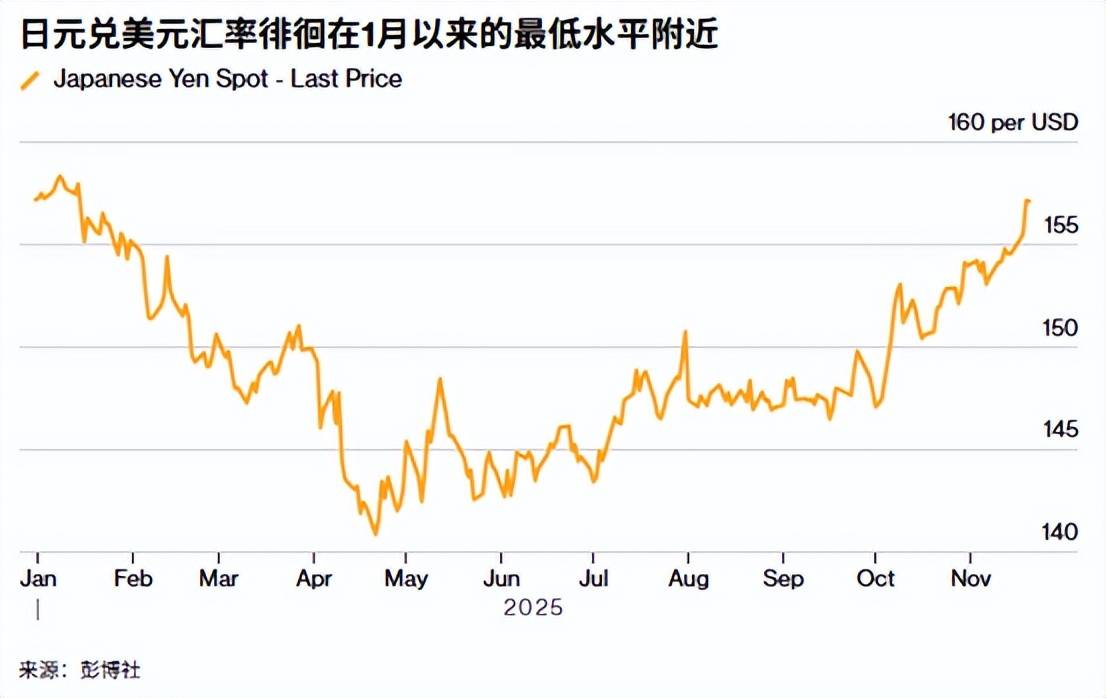
Group 1 - The Japanese government is expected to announce a long-awaited economic stimulus plan, which poses a significant market test for Prime Minister Sanna Takashi, amid concerns that the spending plan may worsen Japan's fiscal situation and lead to a sell-off in government bonds and a weaker yen [2][4] - There are fears that the stimulus plan could lead to a "triple decline" where stocks, bonds, and the yen all fall simultaneously, reminiscent of the market turmoil experienced in the UK under Liz Truss in 2022 [8] - The stimulus plan may boost domestic consumption and investment, helping Japan's economy cope with external risks from global economic slowdown, but it raises concerns about fiscal sustainability due to Japan's already high public debt, exceeding 260% of GDP [4][10] Group 2 - The stimulus plan presents challenges for the Bank of Japan's interest rate hike prospects, as it may increase domestic demand and lead to persistent inflation, complicating the central bank's path to normalizing monetary policy [6] - The ongoing depreciation of the yen raises import costs, contributing to input inflation that could squeeze household and corporate profits, potentially leading to a loss of confidence in fiscal policy and uncontrolled bond yields [6][10] - The recent cross-asset sell-off highlights the fragility of the "Takashi trade" strategy, which had previously driven the Japanese stock market to record highs, but has since seen the Nikkei 225 index erase all gains since Takashi's election [6][10]