高端医疗影像

Search documents
2026年长三角区域重点产品、工艺“一条龙”线下对接活动:攻坚核心装备,引领产业突破
远川研究所· 2026-03-16 12:28
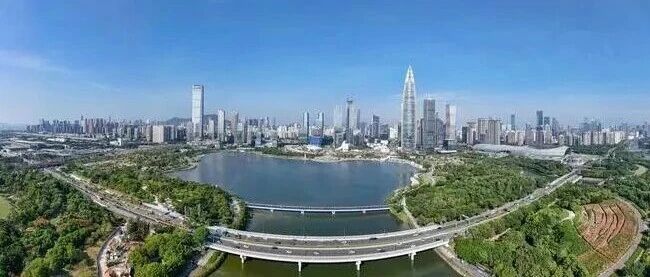
Core Viewpoint - The article discusses the "one-stop" offline docking event for key products and processes in the Yangtze River Delta region, aimed at promoting collaborative innovation and accelerating the localization of core products and processes by integrating various industries and regions [1][3]. Group 1: Event Overview - The event took place on March 15, 2026, in Shanghai, gathering representatives from the industrial and information departments of Shanghai, Jiangsu, Zhejiang, and Anhui, as well as national think tanks and leading enterprises from the industry chain [1][3]. - Key officials, including the Deputy Director of the Planning Department of the Ministry of Industry and Information Technology, delivered speeches, emphasizing the importance of collaborative development in the Yangtze River Delta [3]. Group 2: Strategic Partnerships - A significant cooperation signing ceremony occurred, where representatives from various enterprises in the Yangtze River Delta signed multiple strategic cooperation agreements covering areas such as AI-integrated cloud-native CAD, hydrogen compression technology, and CT detector development [5]. - The signing marked a transition from top-level design to practical implementation of the "one-stop" model, indicating a solid step towards collaborative cooperation across the industry chain [5]. Group 3: Key Projects - The "AI-integrated cloud-native 3D CAD project" aims to overcome challenges in traditional industrial software by utilizing AI to understand proprietary knowledge and physical continuity requirements, enhancing the manufacturing process in sectors like precision instruments and aerospace [6][7]. - The "high-pressure large-displacement membrane hydrogen compressor" project has achieved a significant upgrade, increasing hydrogen transport capacity by over 60% and reducing operational costs by 20%, addressing short-distance transport bottlenecks [8]. - The "photon counting CT detector" project aims to break the monopoly of foreign companies by developing a domestic detector that improves image clarity by three times while reducing radiation dosage to one-third, with a target to launch commercially viable products within two years [9]. Group 4: Future Implications - The successful hosting of the "one-stop" docking event has established an efficient communication bridge for the industry chain, injecting confidence into tackling core technologies and enhancing resilience in key industries across the Yangtze River Delta and nationwide [12]. - The ongoing development of this collaborative model is expected to support the advancement of Chinese manufacturing towards higher value chains [12].

成为首个万亿级地市辖区之后,南山能为大湾区做什么
Di Yi Cai Jing Zi Xun· 2026-01-30 05:31
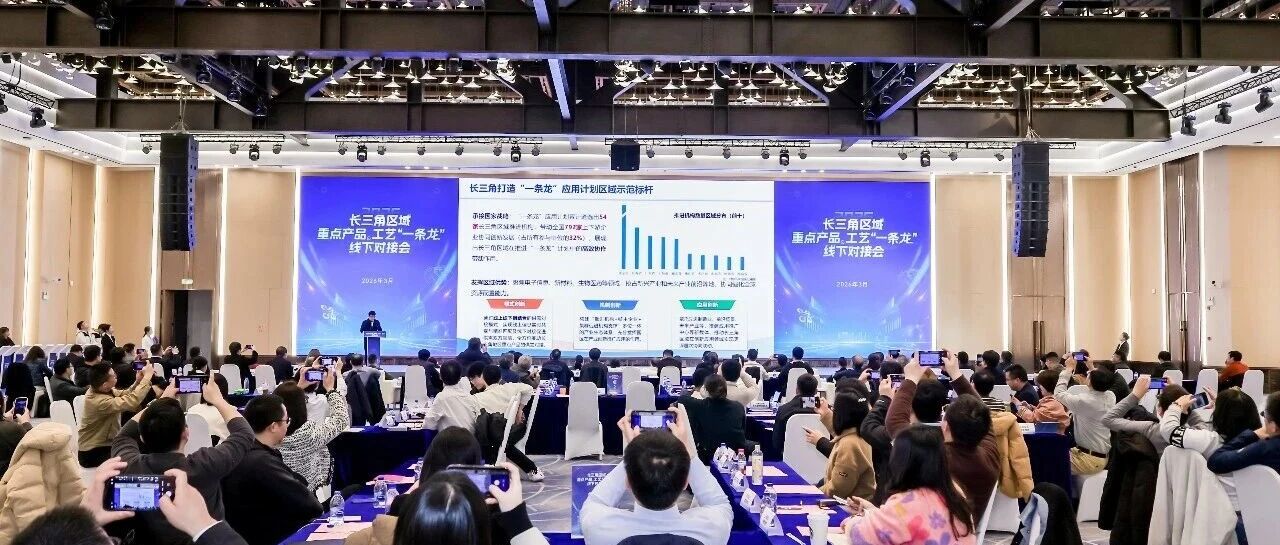
Core Insights - In 2025, Nanshan District in Shenzhen is expected to surpass a GDP of 1 trillion yuan, becoming the first district in China to achieve this milestone, with a per capita GDP exceeding 540,000 yuan and a land GDP of 540 million yuan per square kilometer, both ranking among the top in the country [2][3] Group 1: Economic Development - Nanshan's GDP has grown from 7.8 billion yuan at its establishment 35 years ago to over 1 trillion yuan, marking a significant upward trajectory [3] - The district contributes 25% of Shenzhen's GDP, 33% of its patents, and 40% of its listed companies, despite occupying only 10% of the city's land area [3] - Nanshan's development strategy includes vertical urbanization, underground space utilization, and marine economy, with a focus on high-density development [3] Group 2: Innovation and Technology - Nanshan's R&D investment intensity is projected to reach 7.87% by 2025, nearly three times the national average, with an impressive number of patents per capita [3][6] - The district is home to over 63,700 market entities, including 6,037 high-tech enterprises and 218 listed companies, the highest density in the country [3][6] - Nanshan has established itself as a hub for strategic emerging industries, with 60% of its economy driven by these sectors by 2025 [6] Group 3: Regional Influence - Nanshan's success serves as a model for collaborative development within the Guangdong-Hong Kong-Macao Greater Bay Area, potentially reshaping urban development logic in China [2][5] - The district's experience in leveraging its geographical advantages and institutional frameworks can provide valuable lessons for other regions [4][5] Group 4: Future Prospects - Experts suggest that Nanshan's achievement is just the beginning, with plans to enhance its role in artificial intelligence, quantum information, and brain science [8] - The district aims to facilitate cross-border collaboration with Hong Kong and Macau, focusing on data flow, research material customs, and talent qualification recognition [8] - Nanshan is also addressing urban challenges such as housing, education, and transportation to ensure sustainable growth and quality of life for its residents [8]
成为首个万亿级地市辖区之后,南山能为大湾区做什么
第一财经· 2026-01-30 05:26
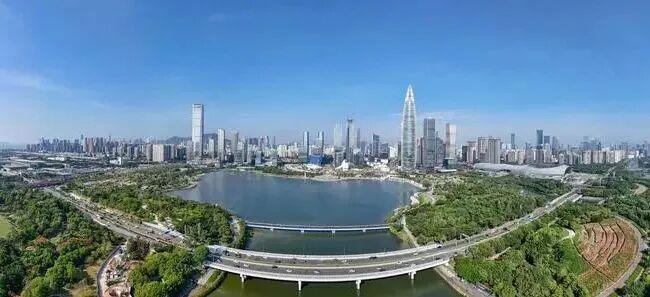
Core Viewpoint - The article highlights that Nanshan District in Shenzhen is set to become the first district in China to surpass a GDP of 1 trillion yuan, marking a significant milestone in its economic development and serving as a model for the Guangdong-Hong Kong-Macao Greater Bay Area [3][4]. Economic Development - Nanshan's GDP is projected to exceed 1 trillion yuan in 2025, with a per capita GDP surpassing 540,000 yuan and a land GDP of 54 million yuan per square kilometer, ranking it among the top in the nation [3][6]. - The district has transformed from a GDP of only 78 million yuan at its establishment 35 years ago to a projected 1 trillion yuan, showcasing a consistent upward trajectory in economic growth [6]. Key Strategies for Growth - Nanshan has effectively utilized its limited land area of 185 square kilometers to contribute to a quarter of Shenzhen's GDP, a third of its patents, and two-fifths of its listed companies through innovative urban development strategies [6][7]. - The district's R&D investment intensity is expected to reach 7.87% by 2025, significantly higher than the national average, with a high number of patents and market entities, including over 6,000 high-tech enterprises [7][9]. Contributions to the Greater Bay Area - Nanshan is positioned to provide a "new quality productivity" engine for the Greater Bay Area, with strategic emerging industries expected to account for 60% of its economy by 2025 [9][10]. - The district's experience in achieving a trillion-yuan economy offers a replicable model for urban development across the Greater Bay Area and beyond, including innovative approaches to land use and technology integration [9][10]. Future Directions - Moving forward, Nanshan aims to enhance its role as a comprehensive champion in various high-tech fields, including artificial intelligence and quantum information, while also addressing urban challenges such as housing and public services [13][14]. - The district seeks to strengthen its connections with Hong Kong and Macau, facilitating cross-border collaboration in data flow, research, and talent exchange to create a "super technology corridor" [13][14].