Internet Platforms

Search documents
这项事关平台反垄断的合规指引,虽不具强制性但意义重大
Jing Ji Guan Cha Bao· 2026-02-15 03:42
Core Viewpoint - The release of the "Internet Platform Antitrust Compliance Guidelines" by the State Administration for Market Regulation is a significant step in refining antitrust compliance rules for internet platforms, providing clearer guidance for platform operators, although it is not mandatory [1][2]. Summary by Sections Antitrust Compliance Guidelines - The guidelines consist of five chapters and 38 articles, focusing on identifying antitrust risks, risk management, and compliance mechanisms for internet platforms [1][2]. - They aim to provide general guidance for platform operators on antitrust compliance, emphasizing the need for thorough investigation and analysis to determine whether actions constitute prohibited monopolistic behavior under antitrust laws [1][2]. Responsibilities of Platform Operators - Platform operators are identified as the primary responsible parties for antitrust compliance, required to adhere to principles of targeted, comprehensive, penetrating, and continuous compliance management [2]. - The guidelines delineate four categories of antitrust risks, including monopolistic agreements, abuse of market dominance, concentration of operators, and abuse of administrative power to exclude or restrict competition, establishing clear boundaries for platform operators [2][3]. New Types of Antitrust Risks - The guidelines enumerate eight new types of antitrust risks, such as algorithmic collusion, unfair high pricing, and "choose one from two" practices, translating core provisions of the Antitrust Law into identifiable behavioral boundaries [3][4]. - For instance, the "choose one from two" practice involves dominant platform operators coercing partners to choose between their platform and competitors, potentially harming market competition [3]. Impact on Consumers - The guidelines are significant for consumers as they regulate new pricing competition behaviors like "lowest price on the internet," addressing concerns over harmful competition and supporting consumer rights such as the right to fair trading and informed decision-making [5]. - The guidelines mark a shift in regulatory approach from post-event punishment to a comprehensive governance model that includes prevention, control, and rectification, enhancing the transparency and predictability of the market [5].
列明平台“二选一”行为等风险示例
Xin Lang Cai Jing· 2026-02-13 19:33
Core Viewpoint - The release of the "Internet Platform Antitrust Compliance Guidelines" aims to support and guide internet platform operators in effectively preventing antitrust compliance risks, promoting innovation and healthy development in the platform economy [1][2]. Group 1: Guidelines Overview - The guidelines consist of five chapters and 38 articles, detailing the responsibilities of platform operators, internal operators, consumers, and employees [1]. - The guidelines emphasize four principles for antitrust compliance management: targeted, comprehensive, penetrating, and continuous [1]. Group 2: Antitrust Risks - The guidelines outline four categories of antitrust risks: monopoly agreements, abuse of market dominance, concentration of operators, and abuse of administrative power to exclude or restrict competition [1]. - Eight new types of antitrust risks are identified based on the characteristics of the platform economy, including algorithm collusion between platforms, assisting internal operators in reaching monopoly agreements, unfair high pricing, selling below cost, banning or blocking, "choose one from two" behavior, "lowest price on the entire network," and differential treatment by platforms [2].
Li Lu Is Betting Big on These Stocks in 2026
Acquirersmultiple· 2026-02-01 23:08
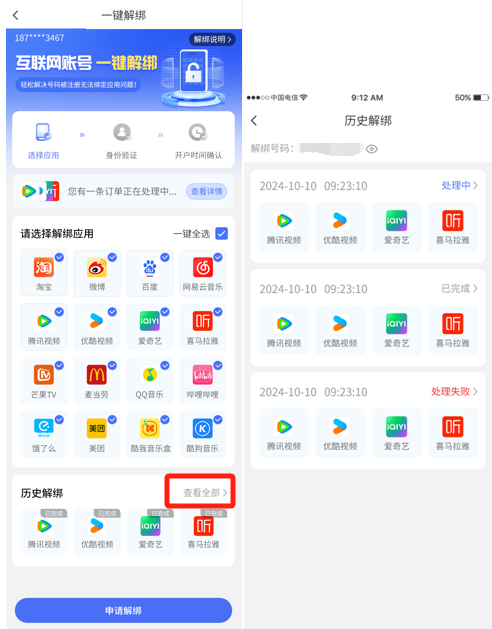
Core Insights - Himalaya Capital Management reported a total equity portfolio value of approximately $3.23 billion, showcasing a highly concentrated investment strategy focused on high-conviction positions [1][2] - The fund maintains a long-term, low-turnover investment approach, with no full exits or significant share changes reported this quarter [5][9] Portfolio Overview - Total Portfolio Value: ~$3.23 billion [2] - Top 10 Holdings Weight: 100%, indicating full concentration [2] - Turnover: Minimal or none, reinforcing a concentrated investment style [2] Top Holdings - Alphabet (GOOGL + GOOG) accounts for approximately 37% of total assets, with individual values of ~$618 million (19.1%) for Class A and ~$597 million (18.5%) for Class C [3][7] - PDD Holdings represents ~$609 million (18.9%) and remains a core bet for Chinese exposure [3][7] - Other significant holdings include Bank of America (~$535 million, 16.7%), Berkshire Hathaway (~$451 million, 14.0%), and East West Bancorp (~$296 million, 9.1%) [3] Geographic and Sector Exposure - The portfolio shows a majority allocation to U.S. companies, with significant exposure to China through PDD [8] - Sector themes include technology/internet platforms, financials, and select cyclicals such as energy [8][9] Investment Philosophy - Himalaya Capital adheres to a deeply concentrated, buy-and-hold philosophy, focusing on scalable and competitively advantaged businesses [9] - The absence of trading activity this quarter indicates strong conviction in the existing portfolio despite changing macroeconomic conditions [9]




多地整治房地产网络乱象,抖音、小红书、贝壳等被约谈
2 1 Shi Ji Jing Ji Bao Dao· 2025-12-18 09:46
Core Viewpoint - The article highlights the ongoing efforts by various Chinese cities, particularly Beijing, to regulate and rectify the chaotic online information dissemination in the real estate sector, emphasizing the need for accurate and responsible reporting to maintain market stability [2][3][4]. Group 1: Regulatory Actions in Beijing - On December 5, Beijing's housing and urban-rural development committee, along with other departments, conducted a joint meeting with major internet platforms like Douyin and Xiaohongshu to address issues related to the dissemination of negative information about the Beijing real estate market [2]. - The meeting identified that some self-media accounts were spreading false information, creating market panic, and promoting misleading listings, which disrupts market order [2]. - As of December 12, over 17,000 pieces of illegal and harmful information were cleared from platforms like 58.com and Douyin, and more than 2,300 accounts and live streams that spread anxiety and misinformation were removed [3]. Group 2: Nationwide Efforts - Other cities, such as Shanghai, have also initiated similar regulatory actions, with over 40,000 pieces of harmful information and 70,000 accounts being addressed since November 14 [4]. - In October, Changzhou and other cities launched campaigns targeting the distortion of real estate policies and the spread of panic-inducing narratives, with specific actions taken against accounts promoting false information [5]. - Cities like Xi'an and Nanjing have also been active in addressing violations, with multiple accounts being suspended or shut down for spreading misleading content about property prices and market conditions [5].



多地发力整治房地产领域网络乱象,抖音、小红书、贝壳等被约谈
2 1 Shi Ji Jing Ji Bao Dao· 2025-12-18 09:03
Core Viewpoint - The article highlights the ongoing efforts by various Chinese cities, particularly Beijing, to regulate and rectify the chaotic online information dissemination in the real estate sector, emphasizing the need for accurate and responsible reporting to maintain market stability [2][3]. Group 1: Regulatory Actions - Beijing's housing authority, along with other departments, conducted a joint meeting with major internet platforms like Douyin and Xiaohongshu to address issues related to the spread of negative information about the real estate market [2]. - The meeting identified that some self-media accounts were spreading false information, creating market panic, and disseminating misleading property listings, which disrupts market order [2]. - As of December 12, over 17,000 pieces of illegal and harmful information were cleared from platforms like 58.com and Douyin, and more than 2,300 accounts and live streams promoting market anxiety were removed [3]. Group 2: Nationwide Efforts - Other cities, such as Shanghai, have also initiated similar regulatory actions, with over 40,000 pieces of harmful information and 70,000 accounts being addressed since November 14 [4]. - In Xi'an and Nanjing, local authorities have taken steps to address accounts spreading false narratives about falling property prices and other misleading content, emphasizing the need for compliance with relevant laws [5].

北京市住建委等部门联合约谈主要互联网平台,清理违规房地产信息1.7万余条
Xin Lang Cai Jing· 2025-12-17 12:20
Core Viewpoint - The Beijing Municipal Housing and Urban-Rural Development Commission, in collaboration with other departments, is taking action against online platforms to curb misinformation and chaotic behavior in the real estate sector, aiming to restore market order and public confidence [1] Group 1: Regulatory Actions - Joint discussions were held with platforms such as Douyin, Xiaohongshu, Beike, 58.com, Xianyu, Lianjia, Wo Ai Wo Jia, and Maitian to address issues of misinformation and market panic [1] - Platforms are required to conduct comprehensive self-inspections, remove non-compliant information, and establish a regular internal review mechanism for industry content [1] Group 2: Compliance and Enforcement - As of December 12, under supervision, platforms have cleaned up over 17,000 pieces of illegal and harmful information [1] - More than 2,300 accounts and live streams that spread false information and created market anxiety have been removed, along with over 100 non-compliant posts [1] - Lianjia, Wo Ai Wo Jia, and Maitian screened over 1.3 million online property listings, removing 480 non-compliant listings [1] Group 3: Future Directions - Authorities will continue to strengthen collaboration and maintain a "zero tolerance" approach towards online disruptions in the real estate market [1] - Internet platforms that fail to comply with regulations and continue to harm public interests will face strict legal consequences [1]

北京多部门联合约谈主要互联网平台,清理违规房地产信息1.7万余条
Bei Jing Ri Bao Ke Hu Duan· 2025-12-17 12:13
Core Viewpoint - Beijing's housing market is facing scrutiny as authorities take action against online platforms spreading negative information and misinformation about the real estate sector [1][2] Group 1: Regulatory Actions - The Beijing Municipal Commission of Housing and Urban-Rural Development, in collaboration with other departments, held a joint meeting with major internet platforms like Douyin, Xiaohongshu, Beike, 58.com, Xianyu, Lianjia, I Love My Home, and Maitian to address issues of misinformation [1] - The meeting highlighted that certain self-media accounts are disseminating negative narratives about Beijing's housing market, creating panic and spreading false information, which disrupts market order [1] - Platforms are required to conduct comprehensive self-checks, promptly remove illegal information, and establish a regular internal review mechanism for industry content [1] Group 2: Compliance and Cleanup Efforts - As of December 12, under the supervision of relevant authorities, platforms like 58.com, Douyin, Xiaohongshu, Xianyu, and Beike have collectively cleaned up over 17,000 pieces of illegal and harmful information [1] - More than 2,300 accounts and live streams that amplified market fluctuations and spread anxiety were removed, along with over 100 pieces of non-compliant content [1] - Lianjia, I Love My Home, and Maitian screened over 1.3 million online housing listings, taking down more than 480 non-compliant listings [1] Group 3: Future Actions - Authorities will continue to strengthen collaboration and maintain a "zero tolerance" approach towards online disruptions in the real estate market [2] - Internet platforms that fail to rectify issues and continue to infringe on public interests will face strict legal consequences [2] - The aim is to create a clearer online environment by promoting positive narratives and mainstream values [2]
想要个“干净”的手机号码,怎么就那么难?
Hu Xiu· 2025-07-11 11:04
Core Viewpoint - The article discusses the challenges and solutions related to the "second number renewal" service, which aims to provide users with a "clean" mobile number free from previous ownership issues, highlighting the need for better coordination between telecom operators and internet platforms [5][12][14]. Group 1: User Experience and Issues - Many users face difficulties when trying to register new mobile numbers, as these numbers may have been previously active and linked to other accounts, leading to a "digital identity crisis" [3][5]. - The Ministry of Industry and Information Technology (MIIT) reported that by May 2025, the total number of mobile phone users in China is expected to reach 1.807 billion, intensifying the competition for number resources and prompting operators to recycle idle numbers [4]. - The "second number renewal" service, launched in May, allows users to unlink historical internet accounts from their new numbers, covering over 200 mainstream applications [5][12]. Group 2: Operational Challenges - The current "renewal" service primarily involves a one-way request from operators to internet platforms, leading to a lack of transparency and understanding of the processing results for users [7][9]. - Issues such as unstandardized processes and data interoperability hinder the effectiveness of the "second number renewal" service, raising questions about accountability among telecom operators and internet platforms [8][9]. Group 3: Recommendations for Improvement - Telecom operators should establish a rapid response mechanism to enhance service efficiency and transparency, ensuring users can track the progress of their requests [10][11]. - Internet platforms are encouraged to take responsibility for timely responses and efficient processing of unlinking requests, improving communication with telecom operators to streamline the process [11][12]. - Users should be empowered to authorize operators and platforms to handle unlinking matters, creating clear boundaries of responsibility to protect data and ensure compliance [12][13].