Science and Technology Facilities

Search documents
怀柔科学城29个科学设施全部进入运行状态
Xin Lang Cai Jing· 2026-01-07 22:24
Core Insights - Huairou Science City has laid out 37 technology facility platform projects, aiming for comprehensive operation and efficient utilization of 29 facilities by 2026, while also preparing over 30 projects for the 14th Five-Year Plan [1][2] Group 1: Technology Infrastructure - The 37 technology facility platform projects include 6 major national scientific infrastructure, 17 educational and research facilities, and 14 interdisciplinary research platforms, making it one of the most densely populated areas for major scientific infrastructure globally [1] - By 2025, 21 breakthrough technologies addressing critical issues will be introduced, including the new far-red light dopamine probe, with 110 significant achievements produced, and 28 awards received from Beijing Science and Technology [1] Group 2: Innovation and Development - The Laser Acceleration Innovation Center has nearly completed the world's first laser proton cancer treatment device, and breakthroughs in "iodine ion glue" technology have addressed the challenge of achieving 1,000 kilometers of range with a 100-kilogram battery [1] - The city plans to establish an internationally leading strategic technology integration development demonstration zone by 2026, focusing on enhancing public services in education, healthcare, and commercial sectors [2]
“十四五”大国科技取得“硬核”成绩 高水平科技自立自强“加速跑”
Yang Shi Wang· 2025-10-12 08:28
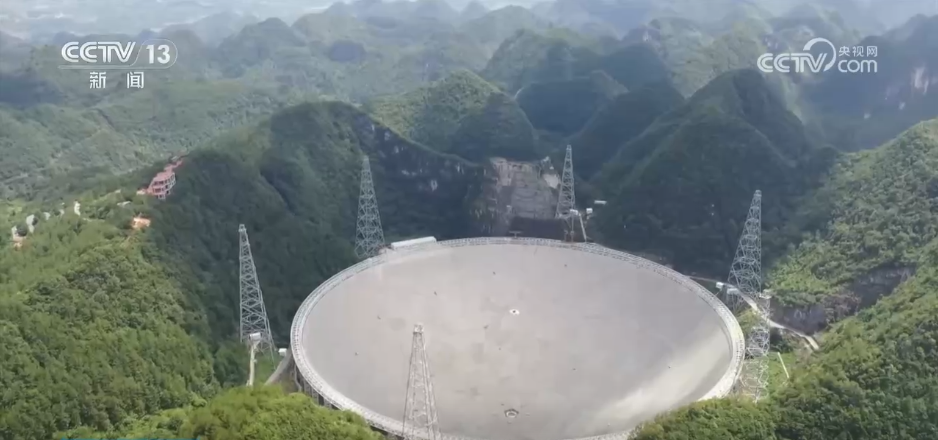
Core Viewpoint - The "14th Five-Year Plan" marks a milestone in China's technological development, emphasizing the importance of large scientific facilities in driving innovation and addressing fundamental scientific challenges [1][5]. Group 1: Investment in Scientific Infrastructure - Large scientific facilities are crucial for national innovation, requiring significant investment and long-term commitment [3]. - China's R&D investment is projected to exceed 3.6 trillion yuan in 2024, reflecting a steady increase in technological innovation capabilities [5]. Group 2: Core Competencies of Large Scientific Facilities - **Competency 1: Addressing Fundamental Scientific Questions** Large scientific facilities represent the pinnacle of engineering technology, essential for exploring unknowns and tackling fundamental scientific issues, such as those addressed by the Tianyan and Jiangmen neutrino experiments [7]. - **Competency 2: Catalyzing Disruptive Technological Breakthroughs** These facilities serve as sources of original innovation, enabling significant advancements in materials science and reducing the development cycle and costs of new materials, particularly in critical areas like semiconductors and renewable energy [8][9]. - **Competency 3: Enhancing Public Health** Large scientific facilities are directly linked to public health, facilitating the development of targeted therapies for diseases like cancer and Alzheimer's through advanced techniques such as protein structure analysis and proton therapy [11][13]. Group 3: Broader Implications - Investment in large scientific facilities not only enhances national technological competitiveness but also contributes to the well-being and sustainable development of humanity, making it a vital area for future investment [13].