《唐鸿胪井碑档案文献总汇》

Search documents
百年前被劫掠,唐鸿胪井碑何时“回家”?
Xin Lang Cai Jing· 2026-02-23 19:42
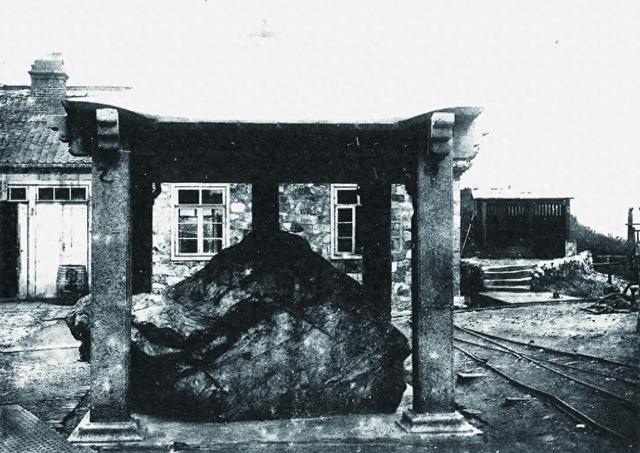
Core Viewpoint - The release of the book "Compilation of Tang Honglu Well Stele Archives" serves as a comprehensive academic resource documenting the history and significance of the Tang Honglu Well Stele, which is considered a vital cultural and historical artifact for China, emphasizing the importance of its return from Japan [5][6][15]. Summary by Sections Historical Significance - The Tang Honglu Well Stele is a crucial historical artifact that embodies China's national unity, ethnic solidarity, and territorial integrity, marking the incorporation of the Bohai Kingdom into the Tang Dynasty [6][7]. - The stele, weighing approximately 9.5 tons and measuring 3 meters wide, 1.7 to 1.8 meters high, and 2 to 2.5 meters thick, commemorates a significant diplomatic event in 714 AD [7]. Cultural and Political Context - The stele is regarded as China's "number one lost national treasure," with its inscriptions reflecting the historical narrative of the region's integration into the Chinese state [6][11]. - The historical context surrounding the stele's removal by Japanese forces during the Russo-Japanese War is highlighted, emphasizing the illegitimacy of its acquisition [8][9]. Research and Advocacy Efforts - Over the past century, there has been continuous research and advocacy for the return of the Tang Honglu Well Stele, with various scholars and organizations contributing to the efforts [10][11]. - The establishment of research groups and initiatives, such as the Tang Honglu Well Stele Research Association, has facilitated ongoing studies and public awareness regarding the artifact [12][13]. Recent Developments - The publication of the "Compilation" aims to provide a complete evidence chain regarding the illegal acquisition of the stele, supporting China's claims for its return based on international conventions and ethical principles [15]. - The international community's growing awareness and support for the return of cultural artifacts, particularly those with colonial backgrounds, is noted as a positive trend [16][17].

东西问丨段勇:被日本掠夺的唐鸿胪井碑为何是中国流失国宝的“头号追索目标”?
Xin Lang Cai Jing· 2026-02-10 12:49
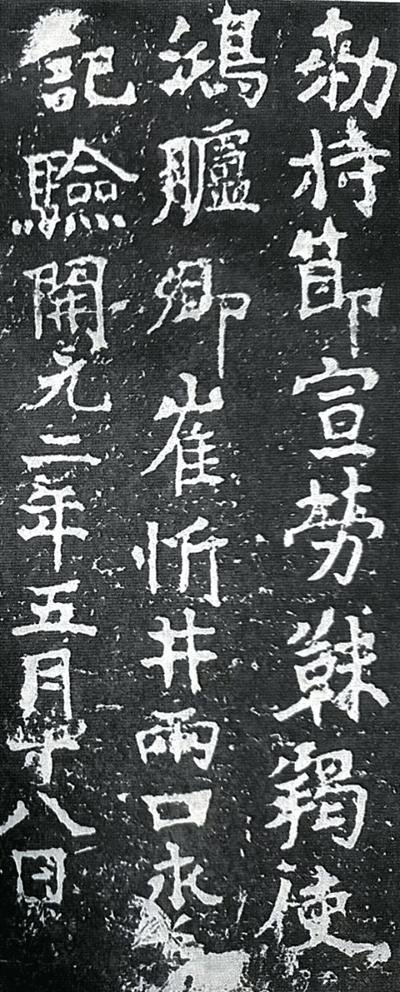
Core Viewpoint - The Tang Honglujing Stele, a significant cultural artifact from the Tang Dynasty, is considered China's "number one target for repatriation" due to its historical value and the circumstances of its looting by Japan during the Russo-Japanese War [3][10]. Group 1: Historical Significance - The Tang Honglujing Stele, inscribed in 714 AD, serves as a direct historical evidence of the relationship between the Tang Dynasty and the Bohai Kingdom, reflecting China's governance over its northeastern territories [4]. - The stele weighs 9.5 tons, making it one of the most substantial lost cultural treasures, symbolizing national unity and territorial integrity for China [10]. Group 2: Repatriation Efforts - The recent publication of "The Complete Collection of Tang Honglujing Stele Archives" compiles extensive documentation and evidence of the stele's illegal acquisition by Japan, reinforcing China's claim for its return [8][10]. - The ongoing efforts to repatriate the stele have garnered support from both Chinese and Japanese scholars, indicating a shared moral stance on the issue among the citizens of both nations [6][10]. Group 3: International Legal Framework - The repatriation of cultural artifacts is supported by international agreements such as the 1954 Hague Convention and the 1970 UNESCO Convention, which emphasize the illegality of cultural property acquired through war [11]. - Despite some progress in the repatriation of colonial artifacts by Western countries, Japan has lagged in aligning with contemporary international norms regarding the return of looted cultural heritage [11].

日本天皇私藏的中国领土地标,到底有多厉害?
3 6 Ke· 2026-02-04 06:54
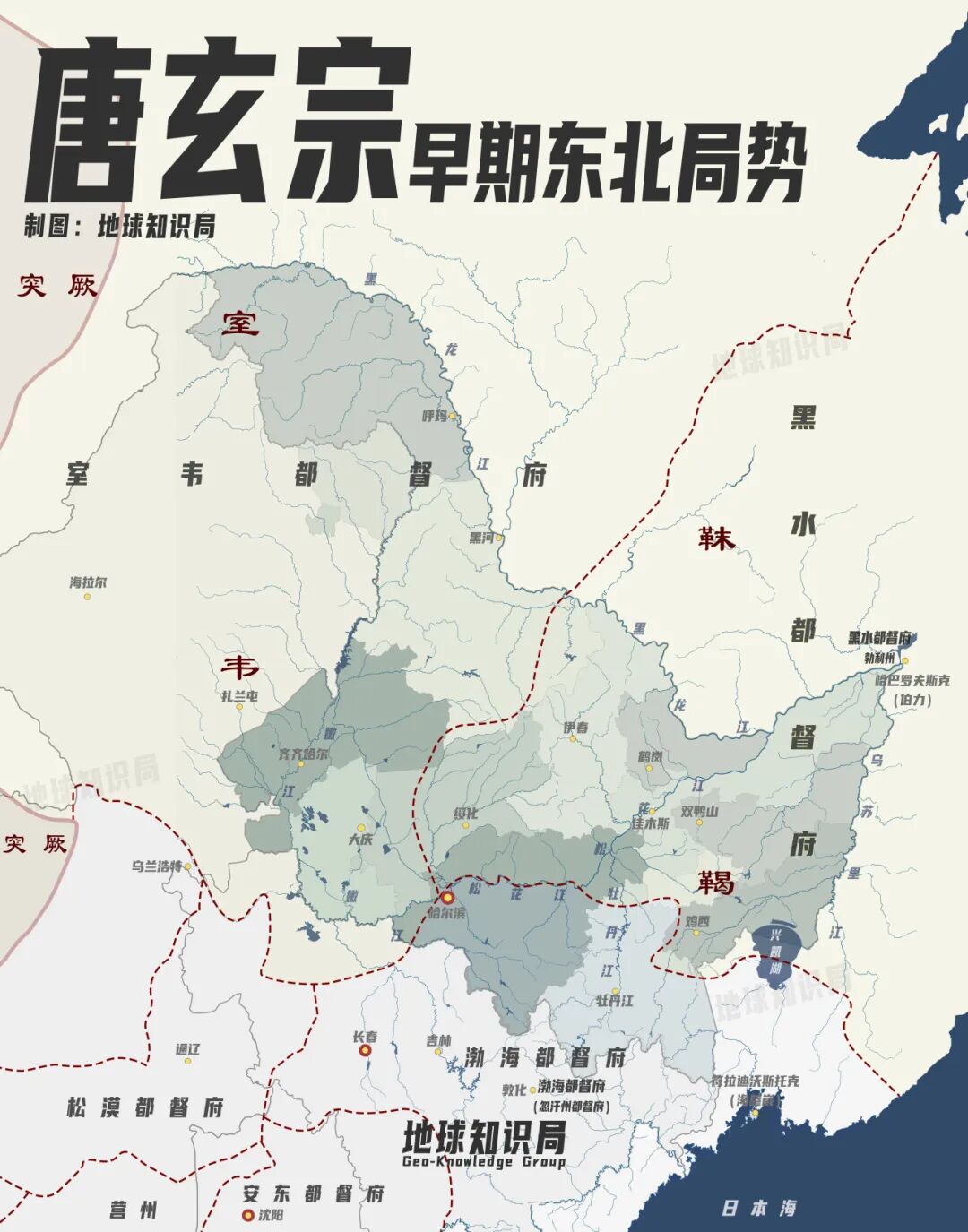
Core Viewpoint - The release of the "Tang Honglu Jingbei Archive Compilation" marks a significant event in the cultural heritage sector, highlighting the importance of the Tang Honglu Jingbei as a national treasure and its historical significance in asserting China's sovereignty over the Liaodong Peninsula since the Tang Dynasty [1][10]. Historical Significance - The Tang Honglu Jingbei, known as the "number one lost national treasure," contains 29 characters that document the incorporation of the Bohai Kingdom into the Tang Dynasty in 714 AD, serving as archaeological evidence of China's historical governance over the region [1][2]. - The stone tablet's value transcends its material worth, symbolizing national sovereignty and political identity, similar to historical artifacts like the "Tang Biao Iron Pillar" and "Geden Stele" [2][3]. Historical Context - The tablet's history is intertwined with the political dynamics of the Tang Dynasty, particularly during the reign of Empress Wu Zetian, which saw significant changes in border policies and relations with neighboring tribes [4][5]. - The events leading to the creation of the tablet include the "Yingzhou Rebellion" in 696 AD, which resulted from local governance issues and dissatisfaction among the Khitan people, ultimately leading to a decline in the Tang's political influence in the region [5][6]. Archaeological Discovery - The tablet was originally inscribed by the envoy Cui Xin in 713 AD to commemorate the appointment of the Bohai leader Dazhao Rong as the "King of Bohai," marking a significant diplomatic gesture [7][8]. - The stone remained undisturbed for over a thousand years until its discovery by Liu Huanfang after the First Sino-Japanese War, leading to efforts to protect it from damage [10][11]. International Relations and Repatriation Efforts - The tablet was taken to Japan as a war trophy after the Russo-Japanese War and has been a subject of repatriation discussions, with various attempts made by Chinese citizens to reclaim it since 2005 [11][13]. - The recent publication of the archive compilation is seen as a crucial step in the international pursuit of lost cultural artifacts, similar to South Korea's successful reclamation of the "Beiguan Dajie Stele" [14][15].
何时“回家”
Ren Min Ri Bao Hai Wai Ban· 2026-02-01 22:49
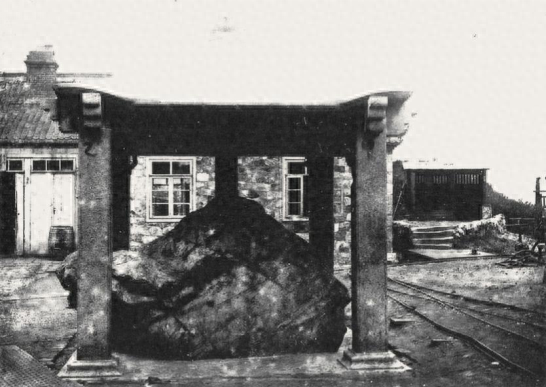
Core Viewpoint - The article discusses the historical significance and ongoing efforts to reclaim the Tang Honglu Well Stele, which was illegally taken to Japan in 1908 as a "war trophy" during the Russo-Japanese War, highlighting its cultural and political importance to China [7][11][12]. Group 1: Historical Context - The Tang Honglu Well Stele was erected in 714 AD to commemorate the Tang Dynasty's recognition of the local Wuhuan tribe's leader, marking the region's incorporation into the Tang Empire [9]. - The stele, weighing approximately 9.5 tons and measuring about 3 meters wide, 1.7 to 1.8 meters high, and 2 to 2.5 meters thick, served as a significant historical artifact until its removal [10]. Group 2: Illegal Removal and Current Status - In 1908, the stele was taken to Japan under the pretext of being a war trophy, with evidence of its removal documented in Japanese military reports [12][13]. - The stele's removal has been characterized as a typical case of cultural loss during a period of national turmoil in China, with ongoing efforts for its return [11][14]. Group 3: Research and Advocacy Efforts - The publication of the "Tang Honglu Well Stele Archive" serves as a comprehensive resource for the study and advocacy for the stele's return, compiling historical documents, images, and scholarly works [8][14]. - Various individuals and organizations have been involved in the pursuit of the stele's return, emphasizing its cultural significance and the need for international cooperation in addressing the issue of looted artifacts [15][16].
新闻周刊丨这座曾见证大唐盛世的中国国宝,日本该还了!
Yang Shi Xin Wen· 2026-01-24 23:49
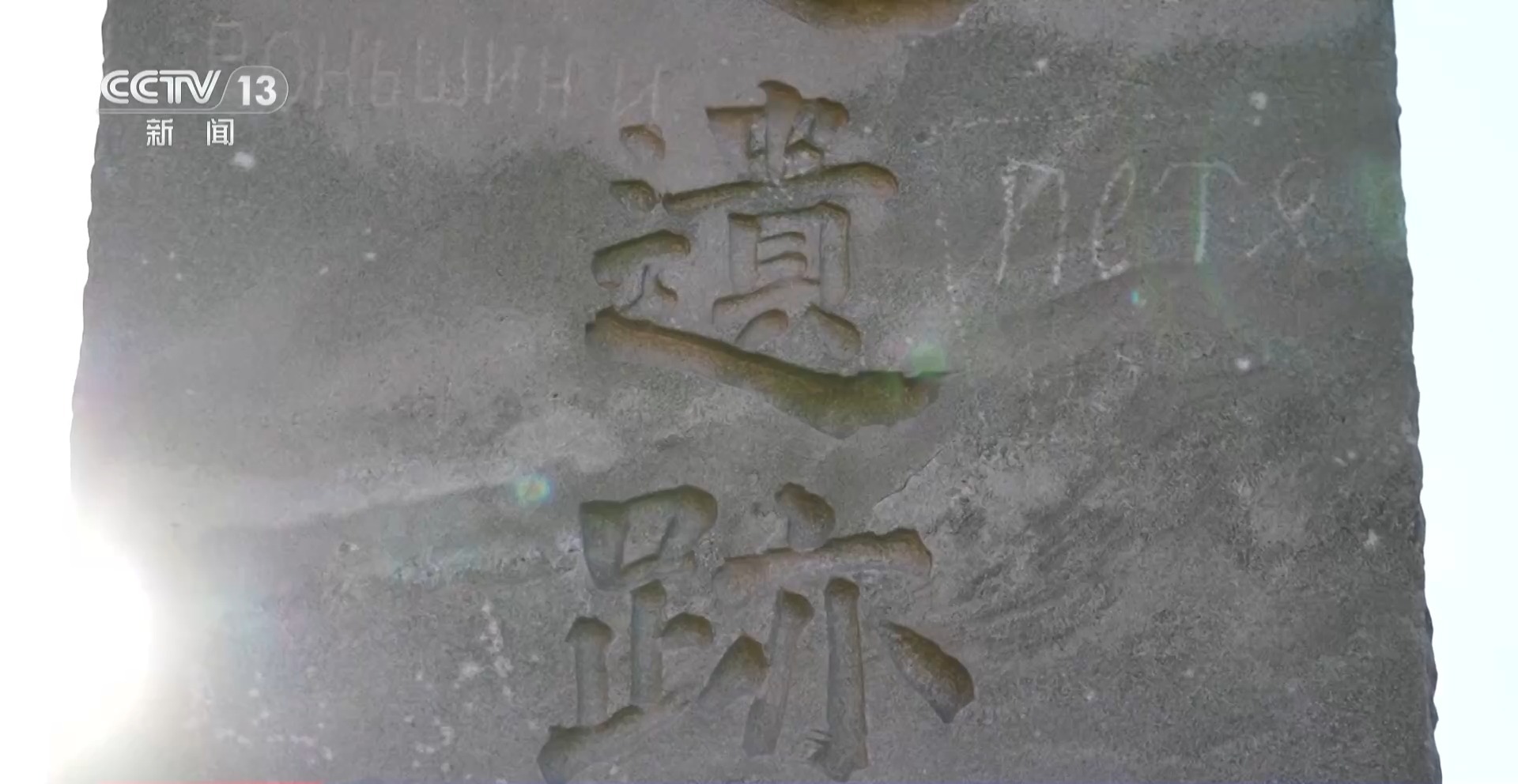
Core Viewpoint - The recent publication of "The Complete Archive of the Tang Honglu Well Stele" marks a significant step in the effort to reclaim this important cultural artifact, which has been held in Japan for 118 years since its illegal removal by Japanese forces in 1908. The book provides a comprehensive evidence chain detailing the stele's history and its significance to Chinese heritage [1][5][19]. Group 1: Historical Context - The Tang Honglu Well Stele, over 1300 years old, originally stood in Dalian, Liaoning, and documented the Tang Dynasty's recognition of the Bohai Kingdom. It was taken by the Japanese military as a "war trophy" during the Russo-Japanese War [1][13]. - The stele's removal was part of a broader pattern of cultural theft by Japan, with thousands of Chinese artifacts taken during various conflicts, including the First Sino-Japanese War and the Second Sino-Japanese War [19][31]. Group 2: Recent Developments - The newly published archive contains 368 documents and images, reconstructing the stele's journey from China to Japan and providing critical evidence of its theft [7][17]. - The archive includes a 1908 Japanese document that explicitly records the stele's transfer to the Japanese imperial palace, serving as a key piece of evidence in the reclamation efforts [17][25]. Group 3: Legal and Diplomatic Efforts - The current legal status of the stele in Japan is classified as "national property," complicating efforts for its return, as it requires parliamentary approval and the emperor's consent for any potential repatriation [27][25]. - Recent changes in Chinese law, specifically the revised "Cultural Relics Protection Law," allow for the reclamation of stolen artifacts without time limitations, potentially strengthening China's position in negotiations [42]. Group 4: Public and Academic Response - There is a growing public and academic movement in both China and Japan advocating for the return of the stele, with various organizations and scholars pushing for increased awareness and action [38][40]. - The release of the archive has sparked renewed discussions in Japan about the ethical implications of retaining such artifacts, with some Japanese scholars acknowledging the need for repatriation [46].
中国海外文物研究中心主任谈流失日本唐鸿胪井碑:这是头号流失国宝
Xin Lang Cai Jing· 2026-01-19 06:51
Core Viewpoint - The publication of "Tang Honglu Well Stele Archive Document Compilation" has reignited public interest in the "Tang Honglu Well Stele," which has been lost in Japan for over a century, highlighting its significant historical, political, and cultural value to China [1][11]. Group 1: Publication Details - The "Tang Honglu Well Stele Archive Document Compilation" systematically organizes all existing images, rubbings, and related documents of the stele, providing a comprehensive resource for further research and repatriation efforts [3][5]. - The book includes 63 photographs, 93 pages of original documents, 34 related articles, and 122 academic papers, totaling 11.96 million words, making it the most detailed academic compilation on the stele to date [7]. Group 2: Historical Context and Significance - The Tang Honglu Well Stele, erected in 714 AD, serves as a crucial historical artifact that confirms the governance of the northeastern region of China by the Tang Dynasty, representing a significant political and cultural symbol [3][11]. - The illegal removal of the stele by Japanese forces in 1908 is emblematic of the broader issue of cultural artifacts lost during periods of conflict and colonialism, with approximately 150 million artifacts currently held overseas, 10% of which are considered illegally obtained [11][9]. Group 3: Research and Repatriation Efforts - Recent research has clarified misconceptions regarding the timeline and circumstances of the stele's removal, identifying the specific period and location of its current status in Japan [15]. - The ongoing repatriation efforts are supported by international conventions and growing moral pressure from the global community, with recent successful returns of artifacts from countries like Germany and the UK to Nigeria [8][9]. Group 4: Future Implications - The repatriation of the Tang Honglu Well Stele is seen as a critical step towards rectifying historical injustices and fostering better relations between China and Japan, contributing to a new order of international cultural heritage exchange [17].
《唐鸿胪井碑档案文献总汇》发布 呼吁日本政府早日返还流失文物
Xin Lang Cai Jing· 2026-01-16 10:50
Core Viewpoint - The publication of "The Complete Collection of Archives and Documents on the Tang Honglujing Stele" aims to provide a comprehensive resource for the study and retrieval of the Tang Honglujing Stele, which has significant historical value and is currently held in Japan [1][3]. Group 1: Publication Details - The book was released on January 16 and is a collaborative effort between Shanghai University’s Center for Chinese Overseas Cultural Heritage Studies and the Dalian Guoyun Cultural Promotion Association [1]. - It systematically compiles all existing images, rubbings, and related archival documents of the Tang Honglujing Stele from its inception until it was taken to Japan [1]. Group 2: Historical Context - The Tang Honglujing Stele, weighing over 9 tons and measuring more than 10 cubic meters, was created in 714 AD to commemorate the appointment of a local leader by the Tang Dynasty [3]. - The stele was taken to Japan during the early 20th century, specifically after the Russo-Japanese War, and has been recognized as a significant cultural artifact [4]. Group 3: Call for Action - During the book launch, a declaration was made urging the Japanese government to respect historical facts and return the stele to its country of origin, aligning with international consensus on the restitution of cultural artifacts [1].