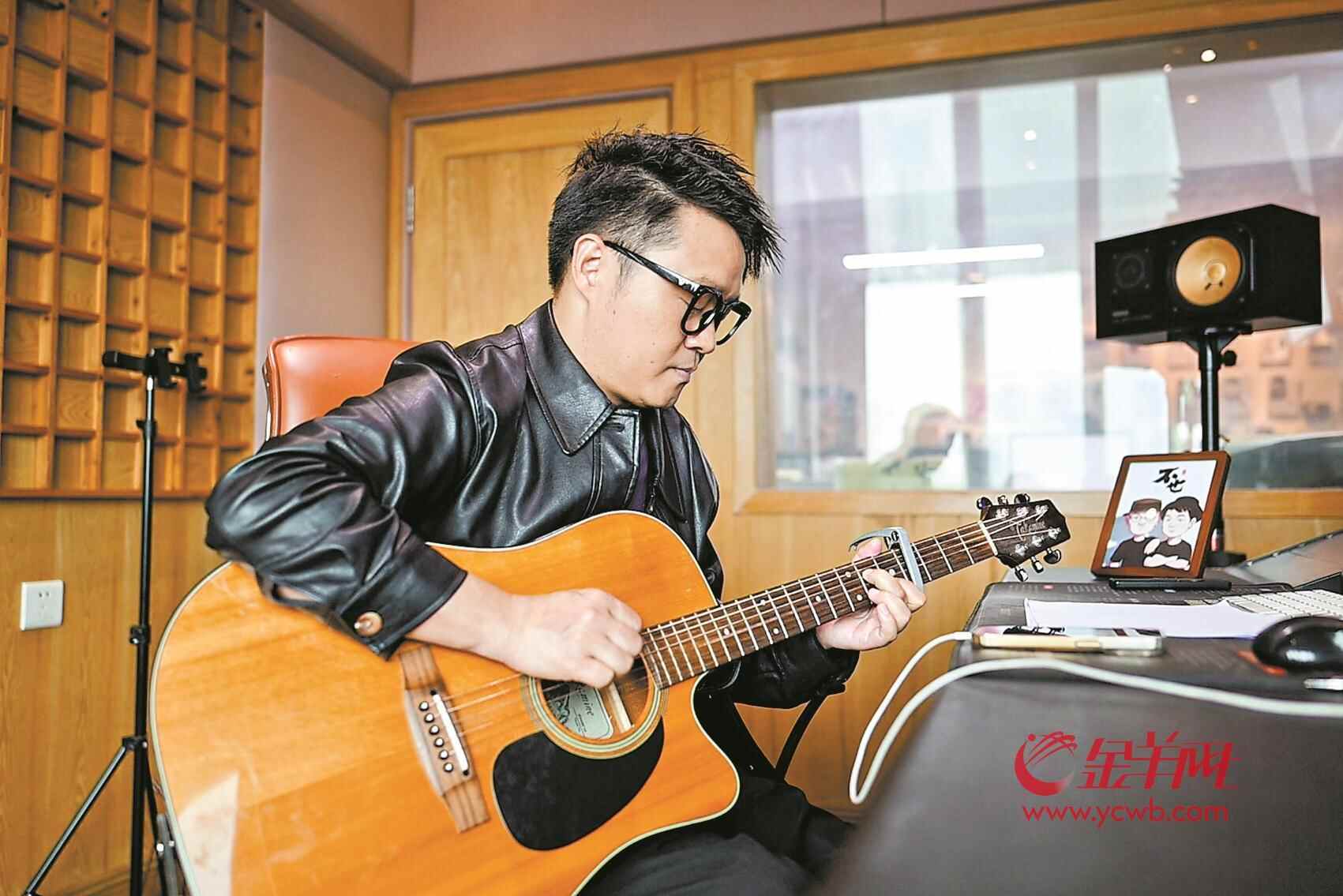
《嘉禾望岗》

Search documents
助力“百千万”,赋美环“两山”, “村艺”高光时刻即将点亮!
Nan Fang Nong Cun Bao· 2026-02-26 04:34
Core Viewpoint - The article highlights the upcoming "Village Art" performance event in Longmen County, Huizhou, which aims to showcase local culture and art while supporting the "Hundred Million" project, promoting rural revitalization and cultural heritage [3][52]. Group 1: Event Overview - The "Hundred Million Project" results exhibition will take place under a thousand-year-old banyan tree in the central village of Mazha, featuring performances by renowned artists alongside local talents [3][4]. - The event is part of the "Three Three Action" initiative, guided by the provincial civilization office and organized by various cultural associations [6]. - The performance aims to achieve multiple goals, including the excavation of regional culture, innovation in artistic forms, and the promotion of economic value transformation [7]. Group 2: Artistic Contributions - Notable artists such as Li Xianhua and local "folk stars" will perform together, showcasing a blend of traditional and contemporary art forms [19][21]. - The performances will take place in various village settings, utilizing local landmarks as inspiration for artistic expression [13][18]. - The event will feature a variety of performances, including traditional operas, folk songs, and modern dance, reflecting the rich cultural tapestry of the Lingnan region [26][30]. Group 3: Cultural and Economic Impact - The central village has transformed into a "literary village," integrating artistic elements into its infrastructure, which has significantly increased visitor numbers [39][42]. - The event will also include activities such as non-heritage markets, agricultural product exhibitions, and folk art displays, injecting new vitality into the ancient banyan village [43][44]. - The "Two Mountains" tourism road, set to be completed by 2025, will connect multiple towns and villages, enhancing the area's cultural and economic integration [47][48].


这一夜 四川味道令人沉醉
Xin Lang Cai Jing· 2026-02-16 22:33
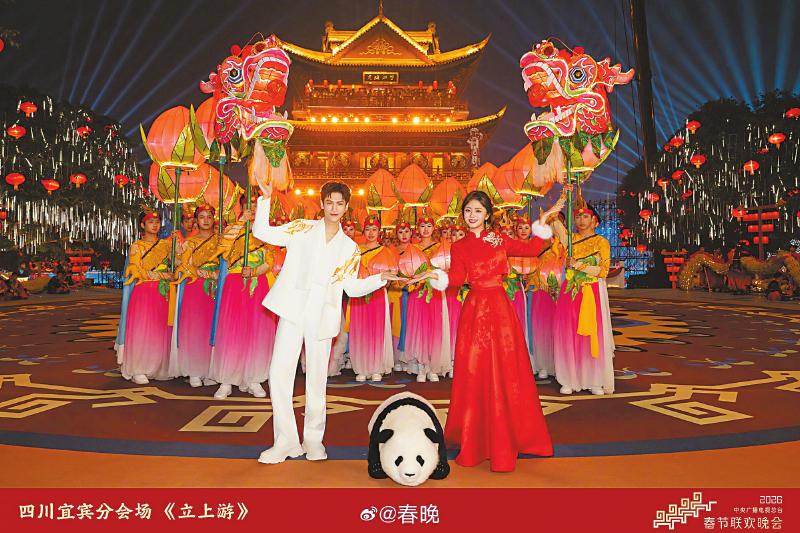
Core Viewpoint - The 2026 Spring Festival Gala showcased a high level of cultural representation from Sichuan, featuring local artists, original works, and intangible cultural heritage, bringing a rich taste of Sichuan to global audiences [2] Group 1: Event Highlights - The Yibin sub-venue was the first to perform at this year's gala, themed "Standing Upstream," with traditional customs like "Spring Wine" integrated throughout the event [3] - The performance included a symbolic representation of the "Chinese Bamboo Capital" Yibin, emphasizing the spirit of "Standing Upstream" through various artistic expressions [3] - A large-scale drone display was utilized to enhance the performance, merging technology with the natural beauty of the Yangtze River [3] Group 2: Artist Participation - Numerous Sichuan artists participated in the gala, including well-known figures such as Tan Songyun, Ding Zhen, and Zhang Liangying, showcasing their talents in various performances [4] - The gala featured popular songs from Sichuan artists, including Hai Lai Amu's new song "Dream Bottom," which aims to inspire dreamers [4][5] Group 3: Originality and Cultural Representation - The gala highlighted the originality of Sichuan's artistic community, with notable performances like Zhou Shen's heartfelt rendition of "Jiliang," written by Sichuan musician Tan Qiyin [6] - The event included a dynamic performance by the Chengdu Houmi Dance Troupe, collaborating with various orchestras to present a blend of classical and contemporary dance styles [6] - Comedy segments featured actors from the "Chinese Comedy Dream Factory," showcasing local humor and creativity through short skits [6]
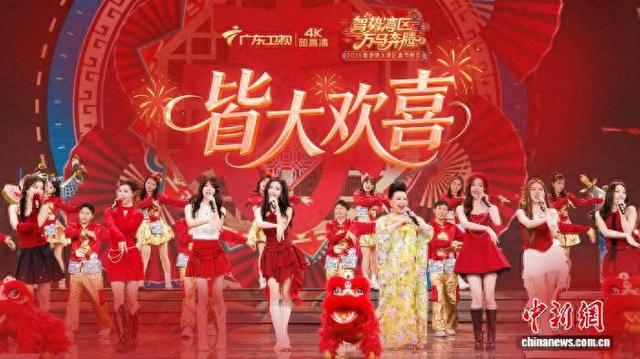
2026湾区春晚登场 激活几代人音乐记忆
Xin Lang Cai Jing· 2026-02-16 03:37
Core Viewpoint - The 2026 Guangdong-Hong Kong-Macao Greater Bay Area Spring Festival Gala aims to evoke shared musical memories across generations, highlighting regional identity and national sentiment through classic songs and performances [1][3]. Group 1: Event Overview - The gala commenced on February 15, featuring a medley of traditional New Year songs and children's dances, creating a nostalgic atmosphere reminiscent of family celebrations during the Spring Festival [1][3]. - Notable performances included singer Teresa Teng, who performed classic New Year songs, engaging the audience in a warm and lively atmosphere [3]. Group 2: Cultural Significance - The event intricately wove individual familial emotions into a broader sense of national identity, using local dialects and achievements to connect personal memories with regional pride and national aspirations [3]. - The gala showcased traditional customs from the Lingnan region, immersing the audience in the festive spirit through vibrant performances and displays of intangible cultural heritage [3]. Group 3: Contemporary Relevance - The performances resonated with the current realities of the Greater Bay Area, with singer Chen Chusheng expressing the emotional connection of individuals to this cultural homeland, emphasizing the area's cohesive spirit [3]. - The phenomenon of the song "Jiahe Wanggang" was highlighted, representing the dreams and aspirations of countless young people in the Bay Area, further enhancing the gala's contemporary relevance [3][4].
《嘉禾望岗》创作人吴欢将与白云城管共创新歌
Xin Lang Cai Jing· 2026-02-10 00:32
Core Viewpoint - The collaboration between Wu Huan and the Baiyun District Urban Management Bureau aims to enhance urban governance and environmental quality in Guangzhou through cultural initiatives and music promotion [1][2]. Group 1: Collaboration and Role - Wu Huan has been appointed as the "Baiyun Smart Urban Management" promotional ambassador, indicating a formal partnership to promote urban management efforts [1]. - The Baiyun District Urban Management Bureau seeks to leverage cultural elements to showcase the achievements of smart urban management in a youthful manner [1]. Group 2: Song Creation and Themes - The song "Jiahe Wanggang," co-created by Wu Huan and Hai Lai A Mu, reflects themes of youth, urban struggle, and the emotional resonance of city life, having been developed over five years [1]. - Wu Huan emphasizes the inspiration drawn from the city of Guangzhou, highlighting the contributions of urban managers and the beauty of the urban environment as key elements in his creative process [1]. Group 3: Future Activities - Wu Huan plans to perform at the Baiyun Flower Market during the Year of the Horse and will engage in field research to gather stories from urban management workers for future song creation [2]. - The initiative aims to present the spirit and dedication of frontline urban management workers through music, fostering a deeper connection with the community [2].
怎样才算是一首成功的广州“城歌”? 音乐人各抒己见
Xin Lang Cai Jing· 2026-02-08 00:59
Core Viewpoint - The original song "Jiahe Wanggang" has sparked discussions about what constitutes a "city song" for Guangzhou, highlighting the need for songs that resonate with collective urban emotions and experiences [2][4][17]. Group 1: Definition of a "City Song" - A "city song" should reflect shared experiences and emotions of the city's residents, rather than just individual feelings [4][6]. - The song must incorporate rich imagery and cultural symbols of Guangzhou, such as natural landscapes and local traditions, to resonate with a broader audience [5][10]. - The success of a "city song" often relies on its ability to evoke nostalgia and connect with personal memories of the listeners [7][11]. Group 2: Characteristics of "Jiahe Wanggang" - "Jiahe Wanggang" is noted for its catchy melody and emotional depth, but its representation of Guangzhou as a "city song" is debated due to its focus on personal rather than collective experiences [4][5]. - The song lacks distinct local musical elements that could enhance its identity as a "city song," which is seen as a potential drawback [5][10]. - The song's rise in popularity reflects a broader social phenomenon, indicating a growing interest in music that captures the essence of urban life in Guangzhou [15][17]. Group 3: Historical Context and Evolution - The concept of "city songs" in Guangzhou has historical roots, with earlier songs like "Iron Tower Lingyun" and "Lion Rock" serving as cultural landmarks that shaped local identity [17][18]. - The emergence of songs focusing on urban landmarks and experiences has been a trend since the early 21st century, with "Jiahe Wanggang" being part of this ongoing evolution [18][19]. - The song's success is part of a larger movement among local musicians to create works that resonate with the city's diverse cultural landscape and collective memory [19][20].
从中大学霸“转轨”原创音乐人 他用粤语歌写尽城市回忆
Xin Lang Cai Jing· 2026-02-07 01:11
Core Perspective - The article highlights the journey of Guangdong musician Deng Cheng, who transitioned from a management student to a professional music creator, emphasizing his contributions to contemporary Cantonese music and the emotional depth of his works [2][3][4][5]. Group 1: Musical Contributions - Deng Cheng has collaborated with singer Liu Limin to create the "Guangzhou Trilogy," which includes songs that reflect urban experiences and emotions, such as "Jiahe Wanggang," "Tiyu Xilu," and "Yongqing Fang Qian" [2][4][5]. - "Jiahe Wanggang" captures the theme of farewell, inspired by the experiences of graduates and the emotional weight of parting [3][4]. - "Tiyu Xilu" represents the theme of integration into the city, reflecting Deng's personal journey from feeling small in a bustling city to becoming part of it [4]. Group 2: Personal Reflections and Philosophy - Deng Cheng's creative philosophy emphasizes the importance of maintaining a balance between work and life, advocating for a relaxed yet productive approach to songwriting [6][7]. - He describes Guangzhou as a city that offers both relaxation and ambition, allowing individuals to find their own comfortable lifestyle regardless of their financial status [7]. Group 3: Cultural Impact and Future Directions - Deng Cheng's music reflects the diverse musical landscape of Guangdong, where various styles can resonate with audiences, contributing to the region's rich cultural output [8][9]. - He aims to continue collaborating with artists from both mainland China and Hong Kong, focusing on producing high-quality music that resonates with a wide audience [9].
嘉禾望岗 照见城市情感空间的意义
Xin Lang Cai Jing· 2026-02-05 20:15
Core Insights - The song "Jiahe Wanggang" has gained widespread popularity, highlighting the emotional connection people have with urban spaces, particularly the Jiahe Wanggang subway station in Guangzhou, which serves as a significant transportation hub [1] - The increasing urbanization in China, projected to have 67.89% of the population living in urban areas by 2025, enhances the demand for emotional resonance and shared memories among city dwellers [1] Group 1 - The emotional needs of individuals are becoming more pronounced as they seek meaningful connections in urban environments, which can manifest through various forms such as songs, landmarks, and cultural experiences [1] - The rise of "emotional consumption" and "happy economy" reflects a shift in consumer demands towards emotional resonance, scene-based consumption, and cultural identity, impacting various sectors including toys, pets, health, and entertainment [2] - Cities are now required to address emotional needs and create spaces that resonate with citizens, as competition among cities increasingly hinges on emotional appeal and spiritual engagement rather than solely on economic metrics [2] Group 2 - Emotional spaces in cities, such as community areas and transformed industrial zones, contribute to a "network of emotions" that enrich urban life, providing warmth, memory, and storytelling [2] - The enhancement of spiritual life and the pursuit of emotional fulfillment are essential goals for human development, necessitating more emotional spaces in cities for relaxation and healing [2]
广州如何接住《嘉禾望岗》流量
2 1 Shi Ji Jing Ji Bao Dao· 2026-02-01 14:19
Core Insights - The song "Jiahe Wanggang" has become a cultural symbol for young people in Guangzhou, resonating with their experiences and emotions related to the city [2][3][5] - The popularity of the song has transformed Jiahe Wanggang station into an emotional landmark, reflecting the aspirations and memories of many residents [3][5][11] Group 1: Song and Emotional Connection - "Jiahe Wanggang" was released in early 2026 and quickly gained popularity, becoming a symbol of emotional connection for many young people in Guangzhou [2][5] - The song evokes feelings of struggle, farewell, and hope, aligning with the experiences of young professionals commuting through the station [3][5] - The song's release coincided with the end of the year, amplifying its emotional impact as people reflect on reunions and farewells [3][5] Group 2: Jiahe Wanggang Station's Significance - Jiahe Wanggang station is a crucial transportation hub, connecting multiple metro lines and serving as a key point for daily commuters [5][11] - The station has a daily passenger flow of approximately 326,100, ranking among the top stations in Guangzhou [5] - During the National Day holiday in 2023, the station recorded a peak daily passenger flow of 434,000, surpassing other major stations [5] Group 3: Youth Engagement and Cultural Impact - The song has led to a significant increase in online searches, with a 492% rise in keyword searches related to "Jiahe Wanggang" within a week of its release [5] - Young people aged 20-29 accounted for 40.17% of the search volume, indicating strong engagement from this demographic [5] - The song connects Guangzhou with themes of youth, dreams, and emotional experiences, providing a relatable cultural entry point for residents [5][11] Group 4: Future Opportunities for Guangzhou - The city has the opportunity to leverage the song's popularity to enhance its cultural identity and attract talent [11][12] - Suggestions include creating immersive emotional experiences at Jiahe Wanggang station, such as themed installations and memory walls [12][13] - There is potential to develop a broader cultural IP around Jiahe Wanggang, including stories, creative products, and tourism routes that reflect the city's unique character [11][12][13]
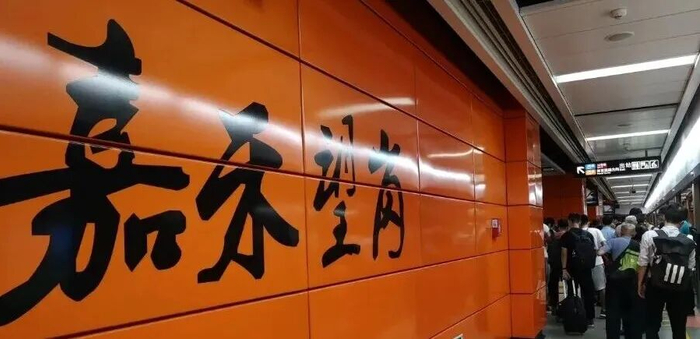
广州如何接住《嘉禾望岗》流量
21世纪经济报道· 2026-02-01 14:00
Core Viewpoint - The song "Jiahe Wanggang" has become a cultural symbol for Guangzhou, resonating deeply with the emotions of young residents and reflecting their experiences of struggle, farewell, and hope [1][2][6]. Group 1: Song Impact and Emotional Resonance - The song "Jiahe Wanggang," performed by Hai Lai A Mu and composed by Wu Huan, has quickly gained popularity, becoming an emotional symbol for many young people in Guangzhou [1]. - The song's release coincided with the end of the year, tapping into feelings of nostalgia and anticipation for reunions, transforming a transportation hub into an emotional landmark [2]. - The song has sparked a significant increase in online searches, with a fivefold rise in keyword searches on Baidu, particularly among young adults aged 20-39 [5][6]. Group 2: Urban Significance of Jiahe Wanggang Station - Jiahe Wanggang Station is a crucial transportation hub in Guangzhou, serving as a key interchange for multiple metro lines and connecting major transport portals like the airport and train station [5]. - The station consistently ranks among the top in daily passenger volume, with an average of 326,100 passengers, peaking at 434,000 during the National Day holiday [5]. - The station's significance is further highlighted by its role as a starting point for many young people moving to Guangzhou, encapsulating their journeys and experiences [8]. Group 3: Cultural and Economic Opportunities - The success of "Jiahe Wanggang" presents an opportunity for Guangzhou to enhance its cultural identity and attract talent, as the city ranks fourth in talent attraction among major cities in China [8]. - The song has the potential to evolve into a cultural IP, leading to the development of related stories, creative products, and tourism routes, thereby creating sustainable brand assets for the city [11]. - Suggestions include creating immersive emotional experiences at the station and utilizing technology to deepen the connection between physical spaces and emotional memories [11][12].
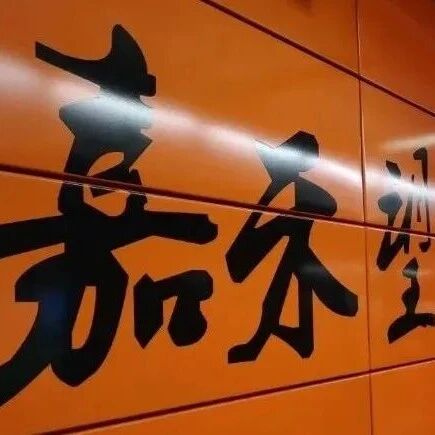
《嘉禾望岗》背后,一位“广漂”音乐人的20年
Xin Lang Cai Jing· 2026-02-01 00:43
Core Viewpoint - The article highlights the vibrant music scene in Guangzhou, emphasizing how local artists like Wu Huan have thrived in the city, reflecting its unique cultural and emotional landscape through their work [2][3]. Group 1: Artist's Journey - Wu Huan, a music producer, has spent 20 years in Guangzhou, where he has realized his dream of working in music, contrasting his path with his peers who became teachers [4]. - His initial visit to Guangzhou was for a teaching position, but he ultimately chose to pursue a career in music, influenced by the city's reputation as a hub for pop music [4]. - The success of his song "Jiahe Wanggang" resonates with the experiences of the new generation of "Guangzhou drifters," showcasing the city's continuous evolution as a creative space [4][6]. Group 2: Music Industry Environment - Guangzhou offers a rich ecosystem for music production, with a complete and mature industrial chain that supports various aspects of music creation, from songwriting to distribution [6]. - The city is home to many music producers, making it a central location for the production of popular music in China, with artists often choosing to work in Guangzhou for its conducive environment [6][7]. - Wu Huan's collaboration on "Jiahe Wanggang" exemplifies the efficient production process available in Guangzhou, where he managed to complete the song's production and post-production locally [6]. Group 3: Cultural Influence - The city's deep cultural heritage and vibrant traditional practices, such as dragon boat racing, inspire Wu Huan's music, allowing him to capture the essence of Guangzhou in his work [7]. - The article emphasizes the importance of local culture in shaping the narratives and themes of contemporary music, with Wu Huan drawing inspiration from the city's history and community [7][9]. - The unique blend of modernity and tradition in Guangzhou influences the music created there, as artists strive to connect with the city's diverse population through relatable storytelling [9].