
《密云水库水源保护条例》

Search documents
川流不息,京津冀携手护水
Xin Jing Bao· 2026-02-26 06:38
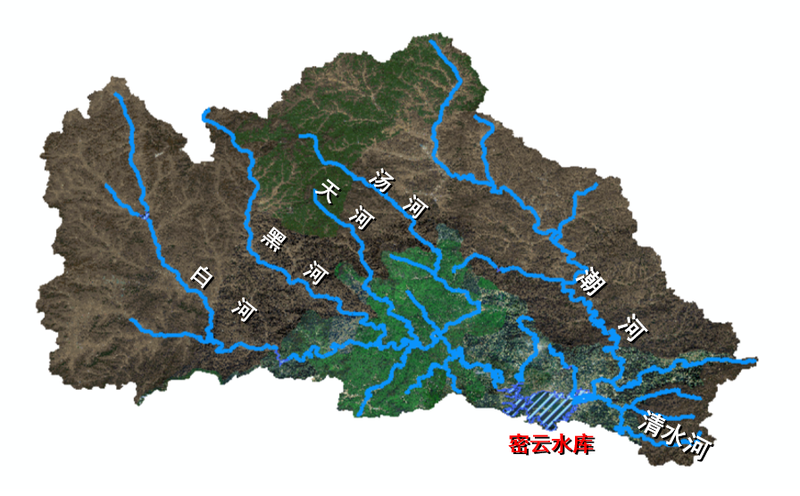
Core Viewpoint - The collaboration between Beijing and Hebei in water resource management has significantly improved the ecological environment and water quality of the Miyun Reservoir and the Guanting Reservoir, showcasing the effectiveness of joint efforts in water conservation and management [1][7][10]. Group 1: Water Resource Management - The Miyun Reservoir is crucial for Beijing's water supply, with two-thirds of its catchment area located in Hebei, highlighting the interdependence of the two regions in water resource management [2][4]. - The implementation of the "Miyun Reservoir Water Source Protection Regulations" starting December 1, 2025, aims to establish strict guidelines for water protection, enhancing the regulatory framework for water safety in the capital [4][6]. - Since 2018, a horizontal ecological compensation agreement has been in place, allowing for coordinated funding and efforts between Beijing and Hebei to support over 180 water conservation projects [5][6]. Group 2: Ecological Improvement - The ecological environment around the Miyun Reservoir has transformed from a state of water scarcity to one of abundance, with record high water levels achieved in recent years [8][11]. - The Guanting Reservoir has also seen significant ecological improvements, with water quality upgraded from Class IV to Class III, and biodiversity increasing with the number of wild plant and bird species rising substantially [11][12]. - The collaboration has led to the Guanting Reservoir becoming an important stopover for migratory birds, indicating a successful restoration of its ecological function [10][11]. Group 3: Collaborative Efforts - The joint efforts between Beijing and Hebei have resulted in a comprehensive approach to water management, including the establishment of a unified monitoring system and joint law enforcement to protect water resources [9][10]. - The successful implementation of ecological compensation mechanisms has allowed for a more effective allocation of resources and a unified strategy for water conservation [5][6]. - The ongoing collaboration is expected to continue evolving, with discussions for a third round of compensation agreements underway to further enhance water source protection [6][8].

法治展长卷 碧水入画来
Ren Min Ri Bao· 2026-01-09 01:04
Group 1 - The implementation of the "Miyun Reservoir Water Source Protection Regulations" and the "National Park Law" marks significant progress in ecological civilization construction in China, providing a legal framework for environmental protection [1] - The "Miyun Reservoir Water Source Protection Regulations" is the first of its kind in the country, aimed at safeguarding the water source for Beijing, while the National Park Law represents the first specialized legislation for national parks, indicating a shift towards legal and standardized management [1] - The establishment of these laws enhances the legal support for ecological civilization, clarifying the boundaries of what can and cannot be done, thus providing a structured approach to environmental governance [1] Group 2 - The necessity for improved legal frameworks is highlighted by the challenges in ecological protection, which often stem from inadequate systems and enforcement, leading to a cycle of governance issues [2] - The regulations for the Miyun Reservoir emphasize collaborative responsibilities between Beijing and Hebei, addressing discrepancies in environmental policies and reducing regulatory gaps through mandatory cross-province cooperation [2] - Collaborative legislation in various regions, such as Jiangxi and Hunan, demonstrates the effectiveness of joint efforts in tackling pollution and environmental management, transforming fragmented governance into unified management [2] Group 3 - The role of legal systems extends to guiding sustainable development, where prioritizing ecological considerations does not preclude growth but rather fosters a higher quality of development [3] - The Long River Protection Law exemplifies this by facilitating the exit of polluting industries and promoting the establishment of green industrial parks, thus addressing pollution at its source [3] - Emphasizing preventive measures over punitive actions in ecological governance is crucial, as it encourages a shift from reactive to proactive environmental management [3]