
协同立法

Search documents
川流不息,京津冀携手护水
Xin Jing Bao· 2026-02-26 06:38
Core Viewpoint - The collaboration between Beijing and Hebei in water resource management has significantly improved the ecological environment and water quality of the Miyun Reservoir and the Guanting Reservoir, showcasing the effectiveness of joint efforts in water conservation and management [1][7][10]. Group 1: Water Resource Management - The Miyun Reservoir is crucial for Beijing's water supply, with two-thirds of its catchment area located in Hebei, highlighting the interdependence of the two regions in water resource management [2][4]. - The implementation of the "Miyun Reservoir Water Source Protection Regulations" starting December 1, 2025, aims to establish strict guidelines for water protection, enhancing the regulatory framework for water safety in the capital [4][6]. - Since 2018, a horizontal ecological compensation agreement has been in place, allowing for coordinated funding and efforts between Beijing and Hebei to support over 180 water conservation projects [5][6]. Group 2: Ecological Improvement - The ecological environment around the Miyun Reservoir has transformed from a state of water scarcity to one of abundance, with record high water levels achieved in recent years [8][11]. - The Guanting Reservoir has also seen significant ecological improvements, with water quality upgraded from Class IV to Class III, and biodiversity increasing with the number of wild plant and bird species rising substantially [11][12]. - The collaboration has led to the Guanting Reservoir becoming an important stopover for migratory birds, indicating a successful restoration of its ecological function [10][11]. Group 3: Collaborative Efforts - The joint efforts between Beijing and Hebei have resulted in a comprehensive approach to water management, including the establishment of a unified monitoring system and joint law enforcement to protect water resources [9][10]. - The successful implementation of ecological compensation mechanisms has allowed for a more effective allocation of resources and a unified strategy for water conservation [5][6]. - The ongoing collaboration is expected to continue evolving, with discussions for a third round of compensation agreements underway to further enhance water source protection [6][8].

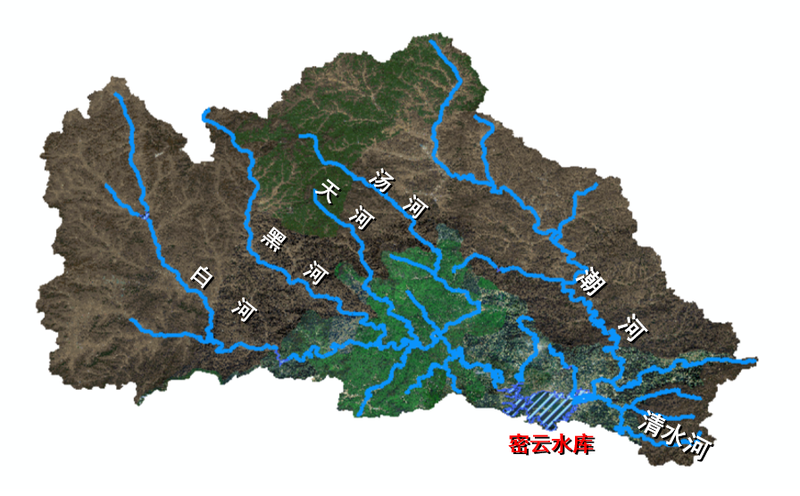
法治展长卷 碧水入画来
Ren Min Ri Bao· 2026-01-09 01:04
Group 1 - The implementation of the "Miyun Reservoir Water Source Protection Regulations" and the "National Park Law" marks significant progress in ecological civilization construction in China, providing a legal framework for environmental protection [1] - The "Miyun Reservoir Water Source Protection Regulations" is the first of its kind in the country, aimed at safeguarding the water source for Beijing, while the National Park Law represents the first specialized legislation for national parks, indicating a shift towards legal and standardized management [1] - The establishment of these laws enhances the legal support for ecological civilization, clarifying the boundaries of what can and cannot be done, thus providing a structured approach to environmental governance [1] Group 2 - The necessity for improved legal frameworks is highlighted by the challenges in ecological protection, which often stem from inadequate systems and enforcement, leading to a cycle of governance issues [2] - The regulations for the Miyun Reservoir emphasize collaborative responsibilities between Beijing and Hebei, addressing discrepancies in environmental policies and reducing regulatory gaps through mandatory cross-province cooperation [2] - Collaborative legislation in various regions, such as Jiangxi and Hunan, demonstrates the effectiveness of joint efforts in tackling pollution and environmental management, transforming fragmented governance into unified management [2] Group 3 - The role of legal systems extends to guiding sustainable development, where prioritizing ecological considerations does not preclude growth but rather fosters a higher quality of development [3] - The Long River Protection Law exemplifies this by facilitating the exit of polluting industries and promoting the establishment of green industrial parks, thus addressing pollution at its source [3] - Emphasizing preventive measures over punitive actions in ecological governance is crucial, as it encourages a shift from reactive to proactive environmental management [3]
川渝深化司法行政协作 以法治一体化护航双城经济圈建设
Xin Lang Cai Jing· 2026-01-05 11:29
Core Viewpoint - The collaboration between Sichuan and Chongqing in judicial administration aims to enhance the legal framework supporting the construction of the Chengdu-Chongqing economic circle, focusing on integrated legislation, law enforcement, and legal services to facilitate high-quality development [1]. Legislative Collaboration - The Sichuan and Chongqing regions are prioritizing collaborative legislation on elderly care services to address the increasing demand for cross-province elderly care resources, with the draft of the Chongqing Elderly Care Services Regulation submitted for review in November 2025 [2]. - The synchronized implementation of the "Legal Aid Regulations" in both provinces starting January 1, 2025, marks a significant step in cross-province legislative collaboration, ensuring better protection of the rights of vulnerable groups [3]. - A total of 10 collaborative legislative projects have been initiated by the two regions by the end of 2025, with 7 already implemented, covering key areas such as transportation, business environment optimization, and ecological protection [3]. Law Enforcement and Judicial Cooperation - The establishment of the cross-province Gaozhu New District serves as a model for administrative law enforcement collaboration, with unified standards and procedures across eight major areas, enhancing governance efficiency [4]. - The joint release of ten typical cases in administrative review by the Sichuan and Chongqing judicial departments in July 2025 aims to provide clear guidelines for resolving cross-regional disputes [5]. - Continuous improvements in community correction management and innovative mechanisms for prison work standardization are being implemented to enhance the precision of law enforcement collaboration [5]. Legal Service Integration - The launch of the "2024 Annual Environmental Damage Judicial Appraisal Blue Book" highlights the establishment of a robust expert database in environmental damage assessment, with 20 registered institutions and over 615 qualified assessors [6]. - Simplified administrative approval processes for legal service providers across regions are being implemented, facilitating efficient cross-province legal practices [6]. - Ongoing efforts to promote legal awareness and dispute resolution mechanisms are strengthening the legal framework, with successful mediation cases becoming a norm along the Sichuan-Chongqing border [7].
依法守护“江南曲韵”常州、无锡协同立法共促锡剧传承发展
Yang Zi Wan Bao Wang· 2025-10-21 09:53
Core Points - The "Changzhou Xiju Protection and Inheritance Regulations" is the first collaborative legislative project since Changzhou obtained legislative power, aimed at establishing a systematic protection and inheritance system for Xiju [1][2][3] - The regulations emphasize collaborative efforts between Changzhou and Wuxi in areas such as artistic performances, play creation, and talent cultivation, and set June 7 as "Xiju Day" [1][2] - The implementation of the regulations is expected to enhance cultural soft power and address challenges in the protection of Xiju, including talent training and policy support [2][3] Legislative Process and Features - The regulations consist of 28 articles and were developed using a "small, fast, and flexible" legislative approach [1] - A joint meeting system and information-sharing platform will be established to facilitate ongoing collaboration between Changzhou and Wuxi [2] Implementation Measures - The regulations will promote the establishment of a talent cultivation system, including recognizing representative inheritors and supporting educational institutions to offer relevant courses [1][2] - Changzhou plans to institutionalize "Xiju into schools" initiatives and encourage cross-disciplinary integration to expand the application of Xiju [1][2] Legal Framework - The regulations were approved by the Jiangsu Provincial People's Congress on September 30, 2025, and will take effect on December 1, 2025, marking a new phase in the legal and systematic protection of Xiju [3]
沪苏浙皖就推动区域科技创新协同发展立法
news flash· 2025-08-01 08:11
Core Points - The joint press conference held by the legislative affairs committees of Shanghai, Jiangsu, Zhejiang, and Anhui announced the unified release of the decision on promoting collaborative technological innovation in the Yangtze River Delta region [1] - This decision, which will take effect on September 1, 2025, is the first legal decision addressing collaborative technological innovation development in the Yangtze River Delta through collaborative legislation [1] - The decision marks a significant achievement in enhancing collaborative legislation in the Yangtze River Delta following the amendment of the Legislative Law of the People's Republic of China, indicating a new phase of legal governance in technological innovation collaboration in the region [1]
法治守护一河清水, 赤水河流域协同立法筑起生态保护屏障
Xin Jing Bao· 2025-07-21 23:15
Core Viewpoint - The article highlights the collaborative legislative efforts among the provinces of Yunnan, Guizhou, and Sichuan to protect the ecological environment of the Chishui River, a significant tributary of the Yangtze River, emphasizing the importance of legal frameworks in environmental conservation [1][2][3][4]. Group 1: Legislative Efforts - Since 2019, Luzhou has actively participated in the collaborative legislative work for the protection of the Chishui River basin, transitioning from a fragmented management approach to a coordinated legislative framework [2][3]. - On May 27-28, 2021, the legislative assemblies of Yunnan, Guizhou, and Sichuan passed decisions and regulations aimed at strengthening the joint protection of the Chishui River basin, which took effect on July 1, 2021 [2][3]. Group 2: Environmental Impact - Luzhou's efforts have resulted in a 100% excellent water quality rate across 13 national and provincial monitoring sections, with the Chishui River maintaining a stable Class II water quality [4]. - The Chishui River, flowing through three provinces, has faced significant ecological pressures due to historical mining and hydropower activities, necessitating a comprehensive approach to environmental management [2][5]. Group 3: Local Initiatives - Local enterprises, such as a distillery in Gulin, have invested in wastewater treatment facilities, achieving a daily treatment capacity of 5,000 tons and ensuring 100% compliance with discharge standards [5][6]. - Gulin County has implemented extensive environmental remediation efforts, including the closure of 66 small hydropower stations and the ecological restoration of abandoned mines, contributing to improved water quality in the Chishui River [6].
济南都市圈协同立法工作正式启动
Qi Lu Wan Bao Wang· 2025-06-06 12:38
Core Viewpoint - The collaborative legislative work of the Jinan metropolitan area has officially commenced, aiming to enhance regional integration and development through a framework agreement among six cities [1][2]. Group 1: Legislative Framework - The Jinan metropolitan area legislative framework agreement was signed by the standing committees of the people's congresses of six cities: Jinan, Zibo, Tai'an, Dezhou, Liaocheng, and Binzhou [1]. - The collaborative legislation will focus on key areas such as infrastructure connectivity, industrial cooperation, ecological protection, public service sharing, and urban-rural integration [1][2]. Group 2: Economic Context - The Jinan metropolitan area is a crucial growth engine in Shandong Province's regional development strategy, contributing significantly to the economic growth of the Shandong Peninsula urban agglomeration [1]. - Jinan's GDP is projected to exceed 1.35 trillion yuan in 2024, with steady economic growth observed in the other five cities within the metropolitan area [1]. Group 3: Implementation Goals - A primary goal of the collaborative legislation is to establish unified rules to facilitate infrastructure connectivity, industrial collaboration, and free flow of resources within the metropolitan area [2]. - The legislative projects will be prioritized based on the principle of addressing existing gaps and needs, focusing on the same key areas identified in the framework [2].