
《文城》

Search documents
新民艺评|王宏就像看了部爽剧
Xin Lang Cai Jing· 2026-01-11 06:53
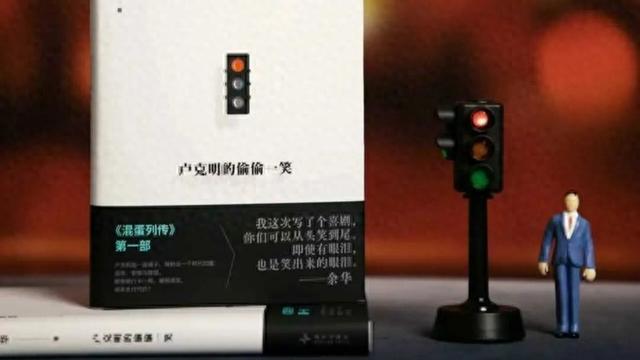
Core Viewpoint - Yu Hua's new work "The Secret Smile of Luke Ming" is perceived as a departure from his previous literary achievements, receiving mixed reviews and a low rating of 4.8 on Douban, leading some critics to view it as a setback in his career [3][5]. Summary by Sections Narrative and Characterization - The protagonist, Luke Ming, is depicted as a thoroughly unscrupulous character, lacking any moral integrity, and is characterized as a "little devil" in the business world [5][10]. - His wife, Lan Ying, initially a shy bank manager, is manipulated into marrying him, only to later discover his infidelities and deceitful nature [5][8]. Economic Context - Luke Ming's rise to wealth coincides with China's rapid economic growth in the early 2000s, where he amassed significant wealth in a short period [6][10]. - As the economy begins to decline, Luke's true nature starts to emerge, revealing his ruthless business tactics and lack of empathy [8][10]. Plot Development - The narrative includes a significant plot where Luke Ming uses cunning strategies to avoid financial repercussions, such as orchestrating the arrest of his employees to justify their dismissal [8][12]. - The book's humor is highlighted, with moments of dark comedy that evoke both laughter and reflection on the character's moral failings [10][12]. Literary Style and Themes - Yu Hua employs a straightforward and impactful writing style, focusing on storytelling rather than intricate psychological exploration, reminiscent of classic literature featuring morally ambiguous characters [12][14]. - The ending suggests a critique of traditional moral narratives, as Luke Ming faces no consequences for his actions, prompting readers to question the nature of justice in literature [14][15].

你所有的痛苦,都是自作多情
洞见· 2025-11-01 12:35
Group 1 - The core idea of the article emphasizes that personal expectations and assumptions about others can lead to disappointment and emotional pain [6][11][12] - The story of Xiao Ying illustrates how high expectations in relationships can result in feelings of betrayal and hurt when others do not reciprocate [10][11] - The article discusses the concept of "self-centeredness" and how imposing one's standards on others can lead to frustration and unhappiness [20][21][22] Group 2 - The narrative of Lin Xiangfu highlights how clinging to past grievances can lead to a lifetime of regret and wasted opportunities [25][26] - The article suggests that true harm often comes from one's inability to let go of past disappointments rather than from others' actions [24][26] - It emphasizes the importance of recognizing that many personal struggles stem from overthinking and projecting one's feelings onto others [28][32] Group 3 - The article concludes with the idea that achieving a state of "no self" can lead to greater freedom and resilience against emotional harm [34][35]

中国文学也在阿拉伯大卖?埃及汉学家解密“破圈”密码
2 1 Shi Ji Jing Ji Bao Dao· 2025-08-17 23:21
Group 1 - The 2012 Nobel Prize in Literature was awarded to Mo Yan, making him the first Chinese writer to receive this honor [1] - Following the award, Mo Yan's works, including "Red Sorghum," were translated into Arabic and gained popularity in Egypt and other Arab countries, with over 30 Chinese literary works translated by Egyptian sinologist Hossain Fahmy [1] - Hossain Fahmy's interest in Chinese culture stems from historical connections between Egypt and China, both being ancient civilizations that have faced challenges, fostering a cultural resonance among Egyptian readers [1] Group 2 - Hossain Fahmy attended the Nanguo Book Festival in Guangzhou, expressing a desire to showcase the rich culture of Guangdong to the Egyptian audience [2] - He noted that while Egyptians are aware of cities like Guangzhou and Shenzhen due to their economic success, there is also a need to explore and promote the culinary culture of the Lingnan region [2] - Fahmy received several invitations from writers and publishers during the event, indicating potential future collaborations to translate and promote suitable works to the Arab world [2]