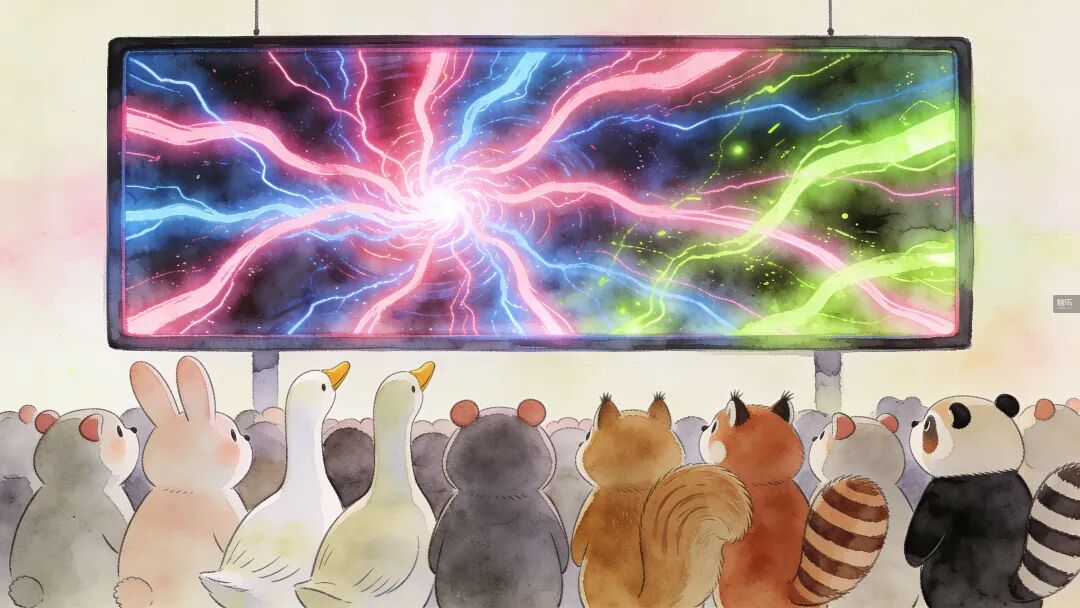
《星绘友情天》

Search documents
有的收入2亿,有的宣布破产,生活模拟游戏到底该怎么做?
3 6 Ke· 2026-02-11 03:14
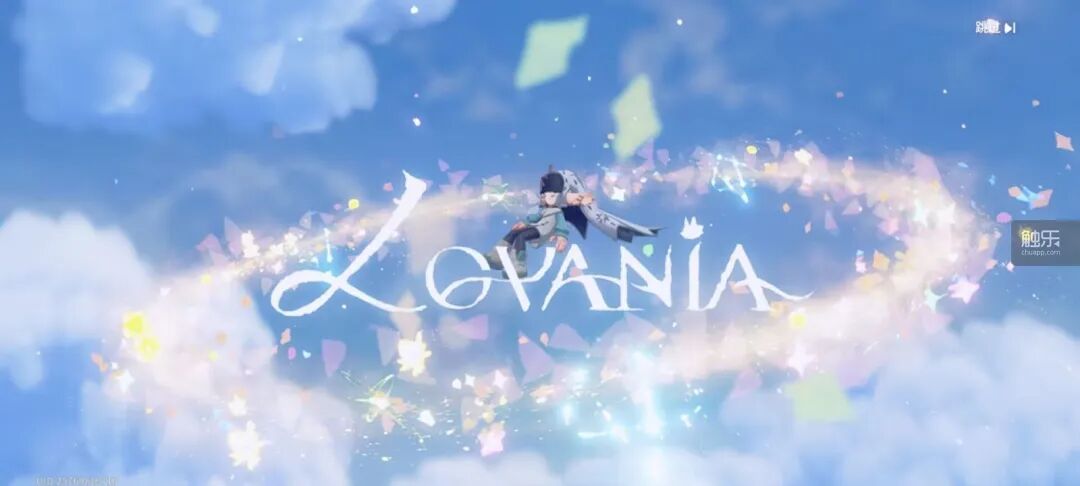
Core Insights - The article discusses the rising trend of life simulation games in 2026, highlighting the competition among major developers like Tencent, NetEase, and MiHoYo, with several new titles entering the market [1][6][36] - The success of life simulation games is attributed to the influence of "Animal Crossing: New Horizons," which has inspired developers to create games that focus on healing and community [6][8][36] - Despite the potential for high daily active users (DAU), the industry faces challenges such as high development costs, commercial model difficulties, and the need for differentiation to stand out in a crowded market [5][26][37] Group 1 - "Code Lovania" launched its first test in early 2026, featuring a unique "white noise" system and watercolor aesthetics, achieving nearly 400,000 player reservations on TapTap within a month [1] - "Heartfelt Town," released in late 2024, has reached the 7th position on the Chinese game sales chart and 2nd in Japan, with over 200 million yuan in revenue across iOS and Google [3][5] - Major companies are actively participating in the life simulation genre, with multiple new titles announced, indicating a significant market trend [6][36] Group 2 - The life simulation genre is experiencing a surge, but some products are failing to meet expectations, leading to rapid launches and shutdowns, as seen with "MimiMimiHa," which faced bankruptcy shortly after release [5][26] - Developers emphasize the need for differentiation in gameplay and aesthetics, as many current titles share similar mechanics and themes, making it challenging to break through [9][10][39] - The article notes that while some games have shown potential, the overall market is still grappling with issues related to monetization and player retention [26][30][37] Group 3 - "Starry Friendship Sky" features a unique "cube star" design and multiplayer party gameplay, while "Grainy Little People Country" innovates with a small protagonist exploring a bedroom-sized world [16][20] - The development costs for life simulation games are high, with "Heartfelt Town" reportedly costing 120 million yuan to develop, and the upcoming "Star Sand Island" project budget reaching tens of millions of dollars [27][29] - Successful monetization strategies in the genre often rely on cosmetic purchases, as seen with "Heartfelt Town," which achieved a monthly revenue peak of approximately 2.6 million yuan [29][30]



当我们都在生气:游戏和创作者们面临的不确定时代
3 6 Ke· 2025-12-09 11:05
Core Viewpoint - The controversy surrounding the character "Dahlia" from miHoYo's game "Honkai: Star Rail" has sparked significant backlash from players, who feel that the character's design references the "Black Dahlia murder case" is disrespectful to the victim and the public sentiment [1][3] Group 1: Controversy and Reactions - The character "Dahlia" has been criticized for allegedly borrowing elements from the infamous "Black Dahlia murder case," leading to player outrage and calls for boycotts of miHoYo's games [1][3] - Players have extended their criticism beyond "Honkai: Star Rail" to include miHoYo's other products, with some labeling current players as "accomplices of the perpetrator" [1][3] - The backlash has affected collaborations, with companies like NetEase terminating partnerships with content creator "逍遥散人" due to the controversy [4] Group 2: Impact on Content Creators - Content creator "逍遥散人" faced pressure during a live stream where he expressed his views on the controversy, leading to a decline in his fanbase and partnerships [3][4] - The incident highlights the increasing uncertainty faced by creators in expressing opinions, as even minor controversies can escalate rapidly into significant public backlash [5][9] - The phenomenon of "moral panic" is noted, where public outrage can be amplified by social media, leading to severe consequences for creators [5][9] Group 3: Emotional Dynamics in Gaming - The gaming community, particularly in genres like otome and two-dimensional games, is more sensitive to character design and narrative elements, leading to heightened emotional responses [7][8] - Players often seek emotional connection with characters, making them more susceptible to feeling offended by perceived disrespect in game content [8][9] - The current environment encourages a culture where creators must navigate emotional demands carefully, often resulting in safer, less innovative content [12][15]