
《格尔尼卡》

Search documents
伟大的艺术家之路
Xin Lang Cai Jing· 2026-01-24 07:16
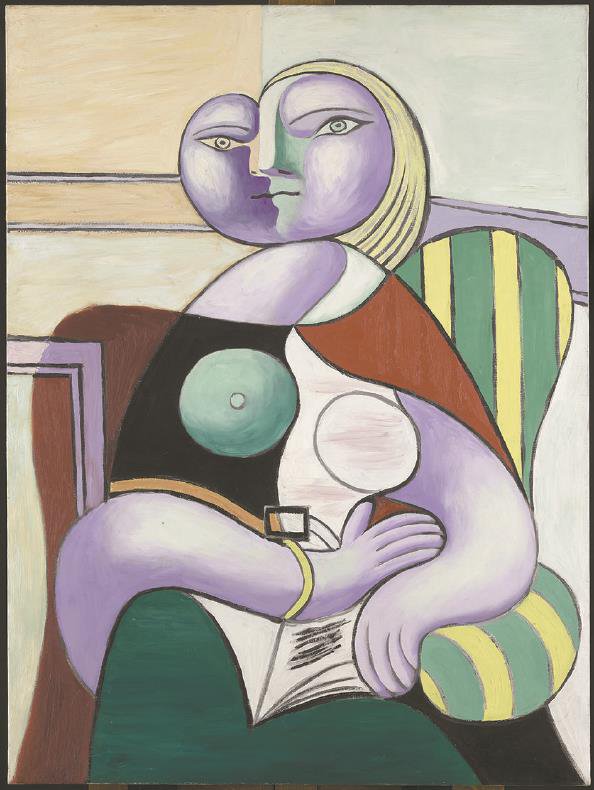
巴勃罗·毕加索《男人肖像》1902—1903,布面油画 巴勃罗·毕加索《斗牛:斗牛士之死》1933,板面油彩 巴勃罗·毕加索《圣心大教堂》1909—1910,布面油画 巴勃罗·毕加索《牛头》1942, 自行车鞍座与车把 巴勃罗·毕加索《阅读》1932,布面油画 毕加索就是这样一位对绘画技艺近乎痴迷到"偏执"的伟大艺术家。这从这次展览中毕加索对于马奈的 《草地上的午餐》(1863年)的仿作《仿马奈〈草地上的午餐〉》等作品中就可见一斑。而这些仿作并 非作自其青年学艺时期,而是作于上世纪六十年代前后,此时的他已届八十高龄且早已功成名就,但他 还在孜孜不倦地反复揣摩《草地上的午餐》的人物形态、画面色彩、空间构成,将其予以"变体",他创 作了二十多幅油画和一百多幅素描和版画作品。而在此前的1957年四个月的时间里,他还对西班牙前辈 画家委拉斯凯兹的名作《宫娥》反复拆解和重构,充满激情地创作了五十多幅变体作品,给予其焕然一 新的立体面貌。而毕加索之所以要如此疯狂地向自己景仰的大师名作学习,就是因为对于真正的艺术家 来说,每次创作都是新的开始,每次创作都是自我创造的过程,同时也是向他人学习的过程。 对艺术形式的创新 艺术之 ...

特写|从《格尔尼卡》到格尔尼卡——德国总统的悼念与反思
Xin Hua She· 2025-11-29 07:19
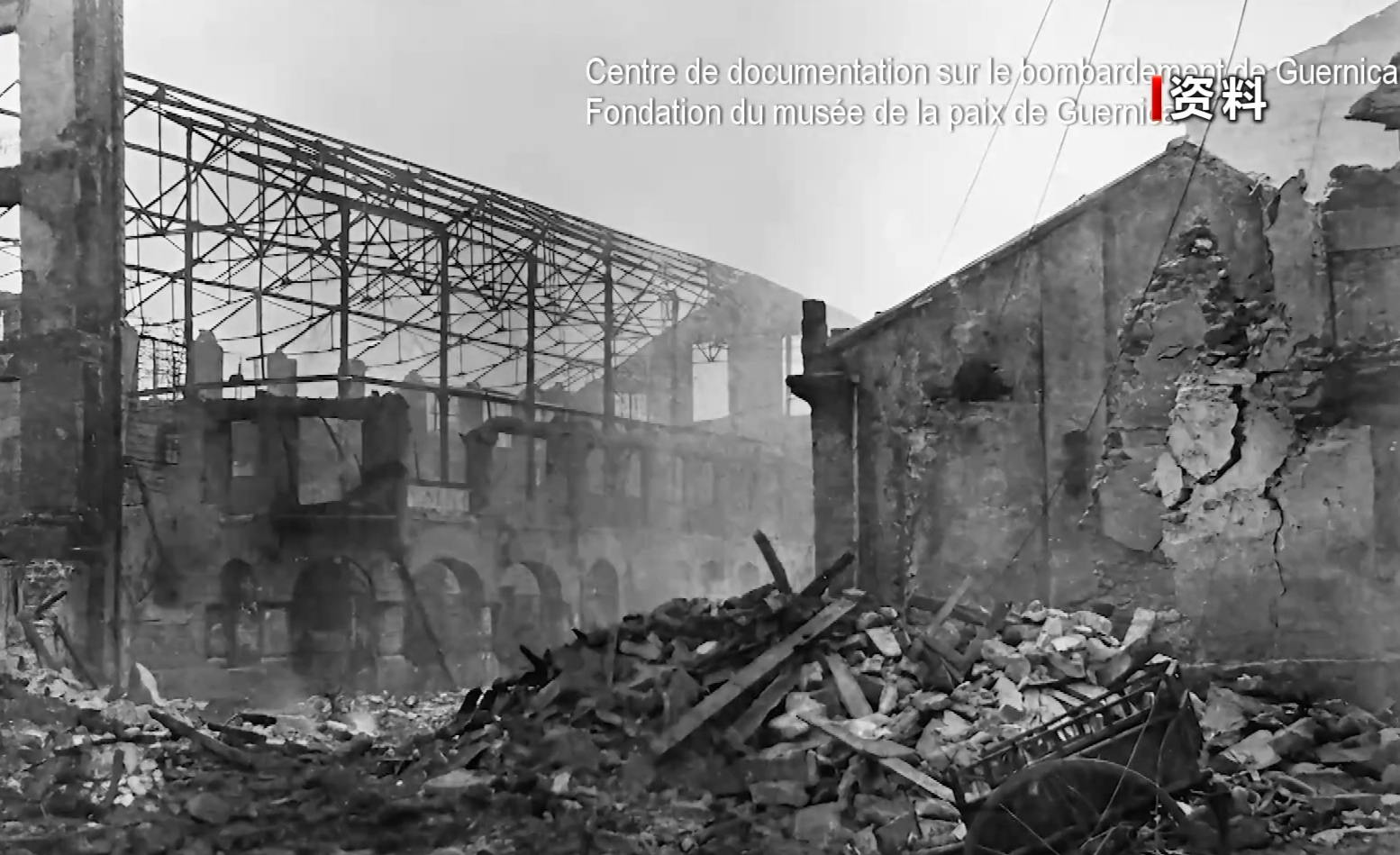
Core Points - The visit of German President Frank-Walter Steinmeier to Guernica serves as a poignant reminder of the horrors of war and the importance of peace [1][2] - Steinmeier's reflections on the bombing of Guernica highlight the need to remember the past and honor the victims of violence [2][3] Summary by Sections - **Historical Context**: The painting "Guernica" by Pablo Picasso, created in 1937, critiques the atrocities of war, specifically referencing the bombing of the Spanish town Guernica by Nazi Germany [1] - **Ceremony and Reflection**: During his visit, Steinmeier participated in a solemn ceremony with Spanish King Felipe VI and survivors of the bombing, emphasizing the emotional weight of the event [2] - **Personal Accounts**: Survivors, such as Aperey, shared their experiences, expressing hope that such violence will not occur again, underscoring the lasting impact of the tragedy [2] - **Modern Guernica**: The town has been rebuilt since the bombing, symbolizing resilience and the ongoing commitment to peace, as articulated by Steinmeier [2][3]
德国总统访问西班牙格尔尼卡,为遭纳粹轰炸遇难者哀悼
Yang Shi Xin Wen· 2025-11-29 05:12
Core Points - German President Steinmeier visited Guernica, Spain, becoming the first German head of state to do so, to commemorate the victims of the 1937 bombing by Nazi Germany [2][4] - Steinmeier emphasized the brutality of the bombing, which targeted civilians, and the importance of remembering the suffering caused by such acts [2] - He acknowledged Germany's responsibility for the bombing during a dinner in Madrid, reiterating that Germans must not forget the crimes committed [4] Summary by Sections - **Historical Context** - The bombing of Guernica occurred on April 26, 1937, during the Spanish Civil War, carried out by Nazi Germany's Condor Legion, resulting in hundreds of deaths and international outrage [4] - **Official Visit** - Steinmeier laid a wreath at the cemetery for the victims, accompanied by King Felipe VI of Spain and the President of the Basque Autonomous Community, Iñigo Urkullu [2] - **Artistic Reflection** - Prior to visiting Guernica, Steinmeier viewed Picasso's anti-war painting "Guernica" in Madrid, which criticizes the atrocities committed by Nazi Germany [4]
《拯救毕加索》:画布之外的人生交响曲
Jing Ji Guan Cha Bao· 2025-07-21 07:06
Core Perspective - The film "Surviving Picasso" presents a unique portrayal of the renowned artist Pablo Picasso, focusing on his complex relationships and personal struggles through the lens of his lover, Françoise Gilot [1][2][8]. Group 1: Narrative Structure - The narrative is centered around Françoise Gilot's perspective, detailing her tumultuous love affair with Picasso, highlighting the age difference and the challenges they face [2][3]. - The film intricately weaves Gilot's personal journey of love and self-discovery with Picasso's artistic life, providing a multi-dimensional view of both characters [2][3][8]. Group 2: Character Development - Anthony Hopkins' portrayal of Picasso captures the artist's multifaceted personality, showcasing his confidence, passion, and self-centeredness, which often leads to conflicts in his relationships [4][5]. - Natasha McElhone's performance as Gilot effectively illustrates her transformation from an enamored young artist to an independent individual, emphasizing her internal struggles and ultimate decision to leave Picasso [4][5][7]. Group 3: Artistic Presentation - The film employs a rich retro aesthetic, vividly depicting the atmosphere of wartime Paris, enhancing the historical context of the narrative [6]. - The musical score complements the emotional landscape of the film, shifting from light and romantic during moments of love to tense and oppressive during conflicts, thereby deepening the audience's emotional engagement [6][7]. Group 4: Themes Explored - The film explores the complexities of love, portraying it as a blend of passion and pain, prompting viewers to reflect on the nature of relationships and personal sacrifice [7][8]. - It also delves into the theme of artistic influence, illustrating how Gilot's experiences with Picasso shape her artistic journey and raise questions about the legacy of artists [7][8].