
《浮士德》

Search documents
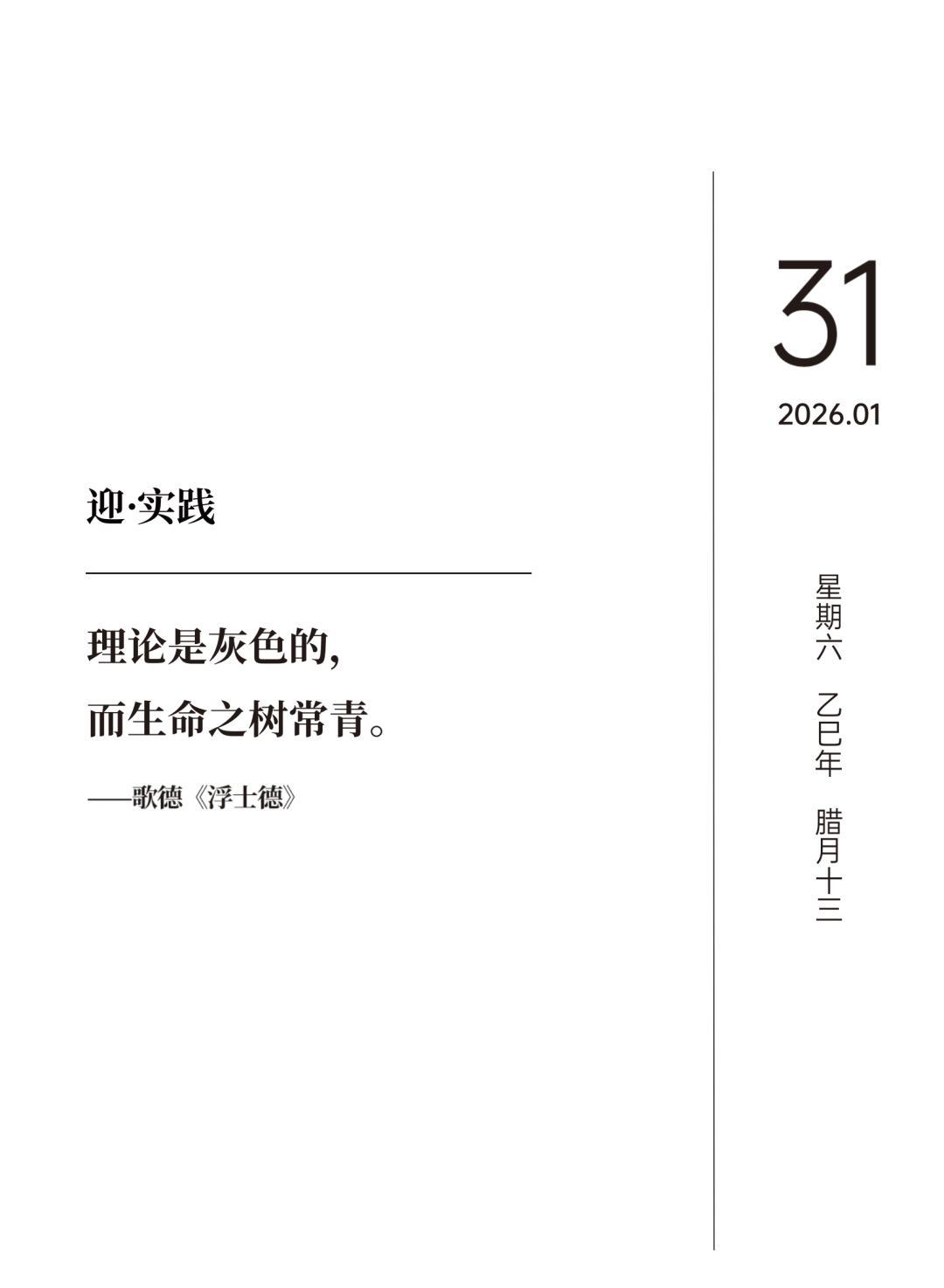
迎日历 | 1月31日,迎 · 实践
Xin Lang Cai Jing· 2026-01-31 10:15
Core Insights - The article discusses Goethe's "Faust," highlighting its significance as a major literary work that reflects the struggles between light and darkness, progress and regression, as well as science and superstition throughout European history [5]. Group 1 - "Faust" is a poetic tragedy that encapsulates the protagonist's lifelong quest for truth, representing Goethe's profound ideals for humanity's future [5]. - The work is composed of various forms including narrative poetry, lyrical poetry, drama, opera, and dance drama, covering a wide range of subjects such as theology, mythology, philosophy, science, aesthetics, literature, music, and political economy [5]. - "Faust" is regarded as one of the four great masterpieces of European literature, alongside "The Iliad," "The Divine Comedy," and "Hamlet" [5].

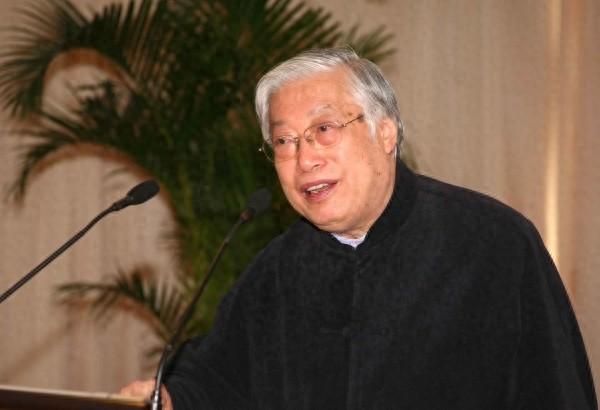
刘梦溪|读书与修身
Xin Lang Cai Jing· 2026-01-08 00:26
Core Viewpoint - The importance of reading and its impact on personal development and societal contribution is emphasized, highlighting that reading is essential not only for academic pursuits but also for personal growth and cultural continuity [3][4][5]. Group 1: Importance of Reading - Reading is essential for both scholars and ordinary citizens, as it enriches life and culture [3][4]. - It is stated that reading can change one's temperament and character, as noted by historical figures like Zhu Xi [3][6]. - The act of reading is portrayed as a means to shed undesirable habits and cultivate a refined character [6][9]. Group 2: Personal Experiences and Influences - The speaker shares personal anecdotes about their educational journey and the influence of literature on their life, including early exposure to classical texts [4][23][25]. - The impact of various literary works, including Western literature, on personal development is discussed, indicating a broad appreciation for diverse literary traditions [25][26]. Group 3: Recommended Reading - A list of essential Chinese texts is provided, including "The Analects," "The Book of Songs," and "Records of the Grand Historian," which are deemed crucial for understanding Chinese culture and philosophy [10][11][12][13][14]. - The necessity of reading foreign literature alongside Chinese classics is emphasized, with specific works by philosophers and authors like Plato, Aristotle, and Tolstoy recommended [19][20]. Group 4: Reading Approaches - Different reading methods are suggested, including professional reading for academic purposes and leisurely reading for personal enjoyment, with the latter being encouraged for its enriching benefits [21][22]. - The significance of reading classical texts, such as the Six Classics, is highlighted, advocating for their inclusion in modern education [28].
杨靖︱晚年歌德之烦恼
Xin Lang Cai Jing· 2026-01-01 04:22
Core Viewpoint - The article explores the complex emotional landscape of Goethe's life, particularly focusing on his unrequited love for Ulrike von Levetzow and the subsequent impact on his literary work and personal relationships [1][2][3]. Group 1: Goethe's Love and Poetry - Goethe's infatuation with Ulrike von Levetzow during his stay at Marienbad led to the creation of profound poetry, including "Marienbader Elegie," which reflects his deep emotional turmoil [1][2]. - The rejection of Goethe's marriage proposal by Ulrike, influenced by her mother, resulted in the writing of "Elegy," which is noted for its unique portrayal of longing and sorrow in German literature [2][3]. Group 2: Social and Familial Pressures - Goethe faced significant societal pressure from the aristocracy after marrying a commoner, which led to public ridicule and strained relationships with friends and family [3][4]. - The dynamics within Goethe's family, particularly with his son August and daughter-in-law Ottilie, created additional emotional distress, complicating his personal life further [6][7]. Group 3: Artistic Legacy and Personal Struggles - Despite personal challenges, Goethe continued to produce significant literary works, including the "Passion Trilogy," which showcases his mature poetic style [2][3]. - The article highlights Goethe's philosophical reflections on war and society, emphasizing his belief in the importance of culture over nationalism, which shaped his literary and personal identity [12][13].
《苏丹的游戏》,21世纪的「浮士德模拟器」
36氪· 2025-04-26 10:27
以下文章来源于36氪游戏 ,作者刘崇江 36氪游戏 . 以科技视角,解析游戏产业发展浪潮。 奢靡、纵欲、杀戮、征服"就是这里的规则 ——欢迎来到苏丹的世界! 文 | 刘崇江 编辑 | 刘士武 来源| 36氪游戏(ID:gh_1991890d79a9) 封面来源 | 《苏丹的游戏》官方预告截图 在十九世纪的诗剧《浮士德》中,描述了这样的一个故事:上帝与魔鬼打赌,善良的人在追求中即使迷惘,也终将找到正途。于是,魔鬼找到了浮士德, 并与浮士德立签下了一份协议:只要魔鬼能让浮士德沉溺于享乐,在某一瞬间说出"你真美啊,请停一停!"——那么,魔鬼就可以收走浮士德的灵魂。 在这场与魔鬼的游戏中,浮士德的愿望一一得到实现:先是为了追求爱情,变成了年轻的小伙子,又帮国王还清了债务,还在战争中与海伦相恋,最后, 他甚至想要征服大海——故事的结尾,双目失明的浮士德终于说出了那句"你真美啊,请停一停!" 凡是玩过《苏丹的游戏》的读者,或许并不难理解笔者在这里引用《浮士德》的用意:这两个故事实在有一些异曲同工之妙!因为在《苏丹的游戏》中, 故事是这样发生的: 异国女术士给国王苏丹提供了一款游戏:根据奢靡、纵欲、杀戮、征服四种卡牌的指示 ...