
《牧马图》

Search documents
中国绘画“常青树”!马的艺术形象变化勾勒出深邃文化内涵
Xin Lang Cai Jing· 2026-02-16 22:32
Core Perspective - The article explores the cultural significance of horses in Chinese art, illustrating how the representation of horses has evolved through different life stages and artistic expressions, reflecting deeper cultural values and human experiences [1][10][12]. Group 1: Historical and Cultural Significance - Horses have been a prominent symbol in Chinese art for over 15,000 years, representing identity, power, and spiritual values [1]. - The evolution of horse imagery in Chinese art mirrors the cultural memory and character of the Chinese people, transcending their biological attributes [1][9]. - Early artistic representations of horses, such as those in the Yinshan rock paintings, emphasize a raw, instinctual connection to nature, similar to children's imaginative depictions [8]. Group 2: Children's Perception of Horses - Children view horses as magical and pure beings, often depicted in vibrant colors and whimsical contexts, such as in fairy tales and games [6][7]. - Their artistic expressions of horses lack burdens and constraints, focusing instead on freedom and joy, reflecting their emotional projections [7][10]. Group 3: Horses in Different Life Stages - As individuals mature, their perception of horses shifts from whimsical companions to symbols of responsibility and ideals, embodying qualities like loyalty and perseverance [10][12]. - Artistic representations of horses in adulthood, such as in works by Han Gan and Li Gonglin, highlight their practical value and aesthetic beauty, reflecting the realities of life [10][11]. Group 4: Modern Interpretations - In modern times, the portrayal of horses has transitioned from practical utility to a representation of contemporary ideals, as seen in Xu Beihong's works, which combine Western techniques with traditional Chinese aesthetics [11][17]. - Xu Beihong's horse paintings serve as a spiritual symbol of resilience and hope during challenging times in Chinese history, reflecting the national spirit [18][19].

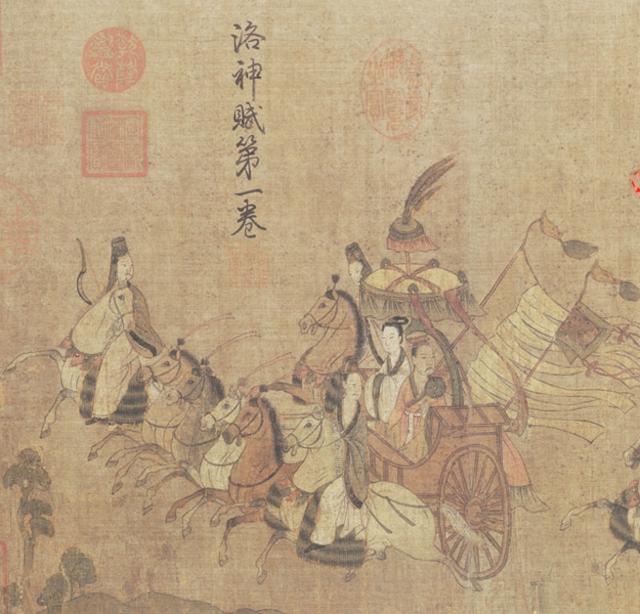
古画里的骏影
Xin Lang Cai Jing· 2026-02-16 17:14
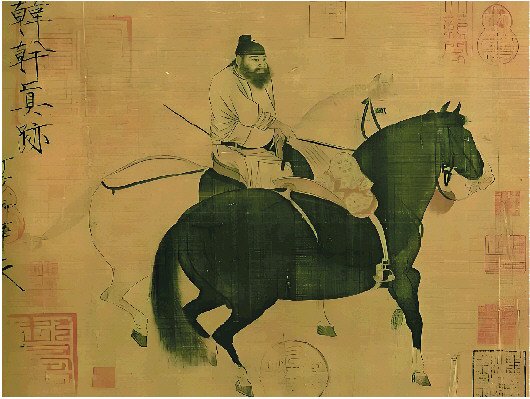
Core Viewpoint - The article explores the artistic representation of horses in ancient Chinese paintings, highlighting the emotional and cultural significance of horses across different dynasties, specifically through the works of Han Gan, Zhang Xuan, and Zhao Mengfu. Group 1: Artistic Techniques and Styles - Han Gan's "The Horse and the Official" is noted for its realism, showcasing detailed anatomical understanding and dynamic features of horses, emphasizing strength and vitality [1][3] - Zhao Mengfu's "Bathing Horses" exemplifies the expressive style, focusing on the rhythm of brushwork and the creation of an aesthetic atmosphere, simplifying horse forms into flowing lines [2][3] - The transition from realism to expressiveness in these artworks reflects the evolution of ancient painting techniques and a deeper understanding of beauty [3] Group 2: Cultural and Social Reflections - Zhang Xuan's "The Lady Guo's Spring Outing" captures the luxurious lifestyle of the Tang nobility, portraying a scene that reflects both the opulence of the era and a social philosophy of enjoying life with the people [4] - In contrast, Zhao Mengfu's "Bathing Horses" signifies a shift in artistic focus from aristocratic representation to a more personal and naturalistic expression, illustrating the scholar-official's connection to nature [4] - The three paintings collectively convey a timeless truth about art's value in recording history, celebrating beauty, and inspiring future generations [4]
笔墨为谁嘶鸣?马到自然成功!
Xin Lang Cai Jing· 2026-01-16 18:02
Core Perspective - The upcoming Year of the Horse in the Chinese lunar calendar highlights the deep cultural significance of horses in Chinese art and history, symbolizing strength, speed, freedom, and loyalty [2]. Group 1: Historical Significance of Horses - The relationship between humans and horses began with practical uses but evolved into a cultural and artistic phenomenon, with horses symbolizing power and dreams throughout Chinese history [3]. - Horses have been depicted in various historical contexts, from the mythological tales of the Zhou Dynasty to the grand terracotta army of the Qin Dynasty, reflecting their association with authority and ambition [3][4]. Group 2: Cultural Symbolism - In folk culture, horses represent auspiciousness and are associated with success and vitality, forming a strong cultural foundation for the emergence of horse paintings [4]. - The artistic representation of horses transcends mere animal depiction, embodying the aesthetic values, aspirations, and collective psyche of the era [4]. Group 3: Golden Age of Horse Paintings - The Tang Dynasty marked a flourishing period for horse paintings, characterized by a vibrant culture and the influx of exotic horses from the West, leading to a widespread appreciation for horses among all social classes [6]. - Two distinct aesthetic realms emerged during this period: one celebrating the wild essence of horses, represented by artists like Wei Yan and Han Huang, and the other reflecting courtly ideals, exemplified by artists like Cao Ba and Han Gan [6][7]. Group 4: Artistic Evolution in Song and Yuan Dynasties - The Song Dynasty brought a cultural shift towards introspection and subtlety, leading to a transformation in horse paintings that incorporated literati aesthetics and historical context [9]. - Artists like Li Gonglin introduced a new style of "fine outline" painting, emphasizing line quality and abstract beauty, which shifted the focus from opulence to elegance in horse art [9][10]. Group 5: Challenges and Innovations in Ming and Qing Dynasties - The Ming and Qing Dynasties saw a decline in the creative vigor of horse paintings, as the rise of literati painting and changing societal tastes diminished the genre's appeal [11]. - However, the Qing Dynasty also witnessed the introduction of Western artistic techniques by artists like Lang Shining, which revitalized horse paintings with new perspectives and dimensionality [11][12]. Group 6: Modern Transformation - In the 20th century, Xu Beihong revolutionized horse painting by integrating Western techniques with traditional Chinese aesthetics, using horses as symbols of resilience and national spirit [13]. - His works often depicted dynamic and powerful horses, reflecting the struggles and aspirations of the Chinese people during tumultuous times, thus elevating horse paintings to a modern symbol of national identity [13].
【何以中国·壁画里的中国】成标识 进教材 嘉峪关这里出土的文物不一般
Huan Qiu Wang· 2025-11-04 12:28
Core Viewpoint - The article highlights the significance of the "Yishi Tu" (Relay Messenger Map) and other artifacts from the Wei-Jin tombs in Gansu's Jiayuguan, showcasing their historical and artistic value, as well as their cultural implications for ancient Chinese postal systems and daily life [3][5][12]. Group 1: Cultural Significance of Artifacts - The "Yishi Tu" is a painted brick that reveals ancient postal codes, depicting a relay messenger in motion, symbolizing the confidentiality of the postal system [5][6]. - The "Yishi Tu" was selected as a core element of the China Post logo in 1982, emphasizing its importance in Chinese postal history [5]. - The "Yishi Tu" features a deliberate omission of the messenger's mouth, representing the principle of confidentiality in the postal system [5]. Group 2: Artistic and Historical Insights - The "Yishi Tu" is noted for its minimalist yet expressive artistic style, using ochre as a base color and simple lines to convey dynamic movement [5]. - The tomb also contains a "Barbecue Scene" mural, which illustrates the entire process of slaughtering and cooking, earning it the title of "China's First Barbecue Picture" [8]. - The "Feast Scene" mural indicates the presence of a mature "shared dining system" during the Wei-Jin period, showcasing the social customs and culinary culture of the time [10]. Group 3: Educational Impact - The "Muma Tu" (Horse Herding Map) and "Caisang Hushang Tu" (Mulberry Picking Map) have been included in the new national history textbooks, highlighting their role as historical evidence of ethnic integration and prosperity in the Wei-Jin period [12]. - These artifacts reflect the daily life and cultural practices of the time, providing insights into the socio-economic conditions of the Hexi Corridor [12].
