《荒原狼》

Search documents
诺贝尔文学奖最值得看的12本书,一生至少要读一次
洞见· 2026-03-08 12:35
Core Viewpoint - The article emphasizes the importance of reading classic literature, particularly Nobel Prize-winning works, as a means to explore human nature, history, and reality, providing insights that can help individuals navigate modern life's complexities [5][142]. Summary by Sections Recommended Classic Works - The article recommends 12 classic Nobel Prize-winning books that represent literary peaks and deep explorations of human experience [6]. Individual Book Insights - **"Steppenwolf"**: The protagonist Harry embodies the internal struggle between societal desires and a yearning for a higher spiritual existence, reflecting a common psychological dilemma faced by modern individuals [12][15]. - **"Siddhartha"**: This novel illustrates the journey of a young Indian nobleman seeking enlightenment, emphasizing that life's true lessons come from personal experiences and choices rather than shortcuts [22][26]. - **"The Old Man and the Sea"**: Hemingway's simple narrative conveys profound human struggles and the dignity of perseverance, suggesting that true victory lies in the courage to face challenges [34][39]. - **"The Plague"**: Camus uses a plague as a metaphor for unexpected disasters, highlighting the importance of individual choices in times of crisis, which remains relevant today [46][49]. - **"The Stranger"**: This book explores themes of alienation and emotional detachment, offering a rare understanding of those who feel like outsiders in society [57][62]. - **"The Grapes of Wrath"**: Steinbeck's work documents the suffering of ordinary people during tough times, showcasing human resilience and the spirit of altruism amidst hardship [68][75]. - **"One Hundred Years of Solitude"**: García Márquez's narrative delves into the theme of solitude across generations, suggesting that recognizing this shared human experience can lead to acceptance and peace [78][85]. - **"Frog"**: Mo Yan's novel intertwines personal stories with broader historical themes, providing a unique perspective on Chinese rural life and the struggles of individuals against societal forces [90][96]. - **"Escape"**: This book reflects the universal desire to break free from mundane life, illustrating that true freedom comes with the responsibility of choices made [100][105]. - **"The Answer is Blowin' in the Wind"**: Dylan's lyrics challenge societal norms and inspire a quest for meaning, marking a significant cultural impact that transcends traditional literary forms [110][117]. - **"The Remains of the Day"**: Ishiguro's narrative serves as a poignant reminder of the importance of personal connections over professional accolades, urging readers to reflect on what truly matters in life [121][130]. - **"A Man's Place"**: Ernaux's work captures the essence of shared human experiences through fragmented memories, resonating with readers across different backgrounds [134][140].


浩荡与幽微(书里书外)
Ren Min Ri Bao· 2025-05-22 22:02
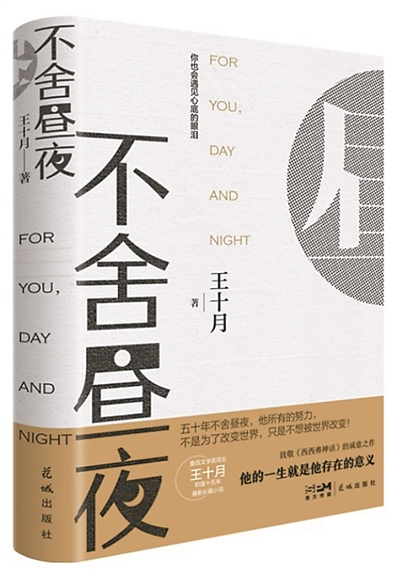
Core Viewpoint - The article discusses the author's journey in literary creation, emphasizing the importance of life experiences and self-awareness in writing, culminating in the publication of the novel "不舍昼夜" (Unceasing Day and Night) [3][6]. Group 1: Author's Journey - The author reflects on their transition from working in a factory to becoming a writer, highlighting the necessity of continuous learning and life experience in the writing process [3]. - The author describes their evolution in writing philosophy, moving from pure emotional expression to a more profound understanding of life and self [3][4]. - The author acknowledges the challenges of writing in the information age, stressing the need for a comprehensive understanding of life beyond fragmented knowledge [3][5]. Group 2: Literary Philosophy - The author cites the importance of balancing the depiction of everyday life with deeper existential themes, inspired by works like Lu Xun's "Wild Grass" and Hermann Hesse's "Steppenwolf" [4][5]. - The title "不舍昼夜" is chosen to reflect the relationship between time and self, indicating a commitment to authenticity in writing [6]. - The author emphasizes the significance of writing from a "common person's" perspective, focusing on the struggles and efforts of ordinary individuals in pursuit of their dreams [5][7]. Group 3: Themes and Structure - The novel's structure intentionally employs biographical elements to convey the protagonist's life journey, reflecting on the interplay between personal and societal experiences [6]. - The author aims to explore the duality of "浩荡与幽微" (vastness and subtlety), representing the broader societal context and individual experiences [5][7]. - The narrative seeks to engage readers in contemplating the complexities of life, success, and failure, leaving interpretations open to the audience [7].