《铁皮鼓》

Search documents
【文艺作品中的二战故事】二战文学的跨世代回响
Huan Qiu Shi Bao· 2025-09-02 22:12
Core Insights - The article discusses the significance of World War II literature through the perspectives of various authors and scholars, highlighting how these works reflect on war, peace, humanity, and fate [1][2][4][7]. Group 1: Perspectives on WWII Literature - Andrew Buchanan, a British historian, emphasizes the importance of David Cesarani's "Final Solution: The Fate of the Jews," which provides a comprehensive account of the tragic experiences of European Jews during WWII, integrating new findings from Soviet archives and personal accounts [2][3]. - Buchanan also recommends David Downing's "Station Series," which offers a unique narrative perspective by allowing readers to experience historical events through the eyes of characters, thus enriching the understanding of history [3][4]. - The article mentions the impact of Yu Hua's novel "To Live," which, while not strictly WWII literature, provides insights into the effects of war on ordinary Chinese citizens, enhancing the understanding of historical experiences [4][5]. Group 2: Notable Works and Their Themes - Xu Zechen, a Chinese author, highlights "The Tin Drum" by Günter Grass, which tells the story of a boy named Oscar who stops growing to protest the absurdity of the adult world during WWII, symbolizing the suffering caused by war [5][6]. - Xu also discusses "The Reader" by Bernhard Schlink, which explores the moral complexities faced by individuals during and after the war, particularly through the lens of a relationship between a young boy and an older woman who becomes a war criminal [6][7]. - The article notes that both authors believe that literature should intertwine historical events with personal narratives to create meaningful connections between characters and their historical contexts [6][7]. Group 3: Insights from Young Readers - Vietnamese students, Wu Xiangmei and Chen Guangyu, express how WWII literature, such as Yan Ge's "The Flowers of War," helps them understand the brutal realities of war and its impact on ordinary people [7][8]. - They emphasize that reading such literature allows contemporary youth to appreciate the value of peace and recognize the ongoing relevance of historical lessons in today's world [8]. - The students suggest that future WWII literature should focus on the stories of ordinary people suffering during the war, and explore innovative narrative techniques that connect historical events with contemporary issues [8].
传递守望和平共同心声
Ren Min Ri Bao Hai Wai Ban· 2025-05-28 22:54
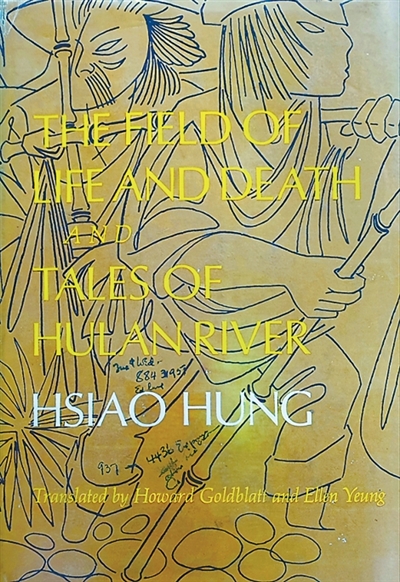
Group 1 - The article discusses the significance of Chinese anti-Japanese war literature and its translation and dissemination abroad, highlighting the enduring literary charm and spiritual strength of these works [8][9][12]. - Notable works such as "The Field of Death" by Xiao Hong and "Four Generations Under One Roof" by Lao She are emphasized for their portrayal of national spirit and the impact of war on society [9][12][13]. - The translation efforts by scholars like Ge Haowen and collaborations with translators have played a crucial role in introducing these works to the English-speaking world, enhancing their global reach [9][12][14]. Group 2 - The article highlights the influence of foreign anti-fascist literature, particularly John Steinbeck's "The Moon Went Down," which resonated with Chinese audiences during the war [16][17]. - The translation of Soviet anti-fascist literature into Chinese was timely and extensive, with numerous works being published and gaining popularity [18][19]. - The impact of German anti-fascist literature, such as Günter Grass's "The Tin Drum," is noted for its critical reception and influence on Chinese writers [20][21]. Group 3 - The article mentions the publication of "Schindler's List" by Thomas Keneally, which explores complex moral themes during the Holocaust and has been well-received in China [22][23]. - The "World Anti-Fascist Literature Series" published in China is highlighted as a significant project that compiles representative works from over 60 countries, reflecting the global literary response to fascism [23][24]. - The enduring themes of justice, sacrifice, and the human condition in these literary works continue to resonate with readers across cultures and time [24].