
一票通

Search documents
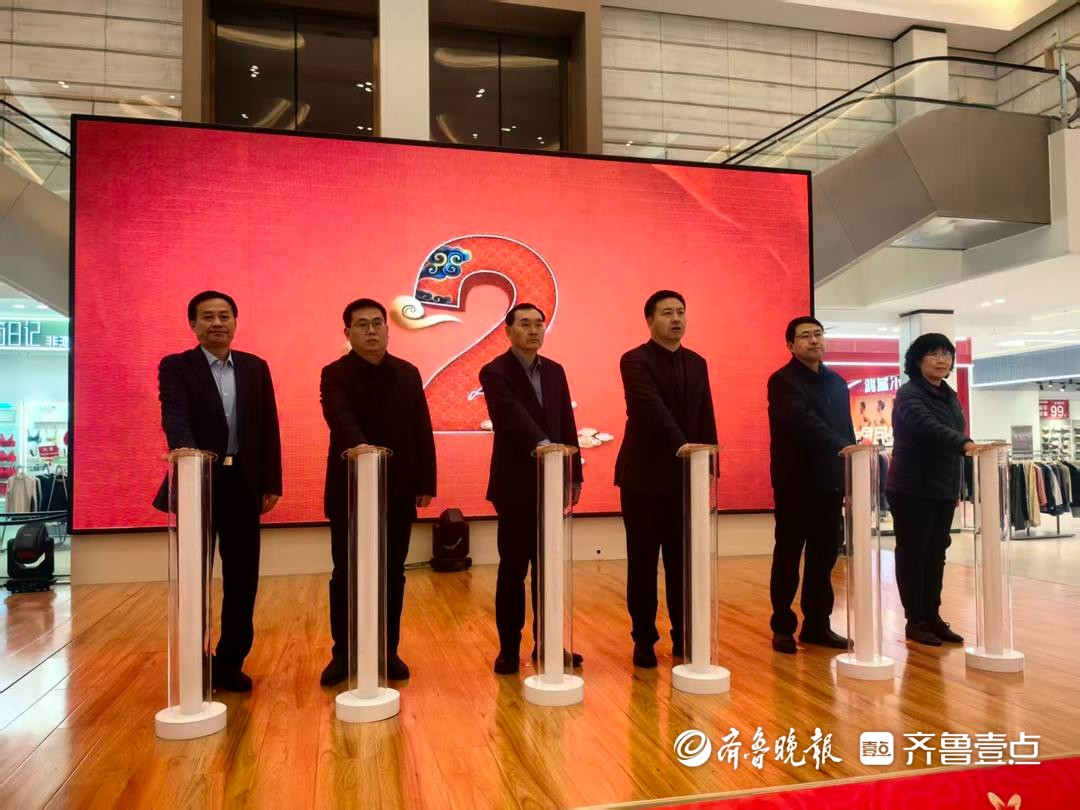
德州天衢新区“冰雪嗨玩·一票乐购”启动仪式在德百奥莱举行
Qi Lu Wan Bao· 2026-02-02 04:40
天衢新区管委会同步发布"一票通"活动,首批纳入60余家优质商家,推出"冰雪王国体验券""589街区美食折扣"等专属权益,现场发放5000张首发优惠 票,总共2万张,优惠金额从10元到400元不等,引发市民抢购热潮。 2月1日上午,德百奥莱广场人潮涌动、热闹非凡,由德州市商务局、市文旅局、市体育局及天衢新区管委会联合主办的2026年新春消费季暨天衢新区"冰 雪嗨玩.一票乐购"活动正式拉开帷幕。 活动以"欢庆新春、冬玩冰雪、乐购州城、惠享消费"为主题,通过冰雪运动、消费促销、文旅融合等多元场景,打造冬季消费新引擎,为市民献上一 场"冰雪+消费"的盛宴。德州市副市长陈海明,德州市商务局党组书记、局长刘如伟,天衢新区党工委副书记、管委会副主任王建国等领导出席启动仪 式,与商家代表、市民及媒体代表共300余人共同见证这一消费盛事。 启动仪式上,德州市商务局局长刘如伟详细介绍了"冬玩冰雪,乐购州城"票根联盟的创立背景与运营模式。联盟将整合全市200余家商贸资源,实现跨行 业消费优惠互通,覆盖冰雪运动、年货采购、餐饮住宿等全场景,让市民朋友们尽览州城烟火气,尽享乐购幸福感。 本次活动是德州市"四季主题消费"系列活动的首场, ...


暑期文旅里的“融”字诀
Ren Min Ri Bao· 2025-08-05 03:47
Core Viewpoint - The construction of a unified national market is essential for establishing a new development pattern and promoting high-quality development, as emphasized in the Central Political Bureau meeting on July 30, which called for deepening the construction of a unified national market and optimizing market competition order [1] Group 1: Market Integration - The unified market aims to break down isolated "small circles" and promote deep integration for common development, as seen in the tourism sector where e-commerce platforms provide synchronized recommendations for tickets, hotels, and dining options, creating a "one-stop service" [2] - The integration of various resources, such as transportation and technology, is crucial for enhancing tourism consumption potential, as demonstrated by the opening of the "Hi Tour" platform, which offers personalized itineraries and additional services [4] Group 2: Resource Optimization - Revitalizing idle resources and transforming them into "active assets" is key to market opportunities, as illustrated by the systematic renovation of old houses in Qufu, Shandong, which has led to the development of cultural and tourism industries [5] - The use of digital technology to break physical barriers and enhance resource flow efficiency is highlighted by initiatives like the "Come to China" app, which facilitates tax refunds for inbound tourists [5] Group 3: Collaborative Ecosystem - The establishment of a collaborative mechanism in the Yangtze River Delta, characterized by mutual recognition of standards and data, enhances the convenience of travel and tourism, demonstrating the importance of cooperation in building a unified market [6] - The appeal of policies such as visa exemptions and instant tax refunds is evident in the increasing interest from international tourists, indicating the effectiveness of these measures in promoting tourism [6]
长三角议事厅·周报|长三角文旅协同:从机制破壁到价值共创
Xin Lang Cai Jing· 2025-05-26 08:08
Core Viewpoint - The integration of tourism associations in the Yangtze River Delta region aims to enhance regional coordination and development through cultural and tourism collaboration, breaking down administrative barriers and reconstructing transportation networks [1][2][3]. Group 1: Institutional Breakthroughs - The implementation of the "same city treatment" mechanism allows for cross-provincial tourism with mutual recognition of standards, data sharing, and regulatory interaction, facilitating innovative initiatives like the "high-speed rail tourism annual pass" [2]. - The "Shanghai-Disneyland-Suzhou Gardens-Hangzhou West Lake" tourism route is projected to see a 28% increase in visitor numbers in 2024, driving over 35% growth in surrounding consumption [2]. - The "High-Quality Integrated Development Cooperation Agreement for Inbound Tourism" set to launch in 2025 aims to optimize the 240-hour transit visa exemption policy, enhancing the appeal of the "Shanghai-Hangzhou-Suzhou" tourism products [2]. Group 2: Regional Planning - The Shanghai metropolitan area is actively developing land-based tourism circle plans, with Jiangsu focusing on upgrading scenic spots and vacation areas, while Zhejiang emphasizes "transportation and tourism integration" [3]. - Anhui is promoting cultural tourism integration, embedding "Hui culture" into the broader Yangtze River Delta market [3]. Group 3: Practical Innovations - Brand collaboration is driving regional tourism consumption, with events like the Shanghai Tourism Festival and Jiangsu Rural Tourism Festival creating a celebratory matrix across the four regions [4]. - The "Four Seasons Anhui" promotional campaign is creating a tourism loop by integrating high-quality resources from Anhui with Shanghai [4]. - The high-speed rail network, exceeding 6,500 kilometers, facilitates a "1-hour metropolitan area, 3-hour city group, and 5-hour regional travel" model [4]. Group 4: Resource Integration - The Yangtze River Delta has established a competitive tourism product system based on seven core resources, creating 30 unique tourism routes and 8 world-class corridors [5]. - The launch of the "Shanghai Holiday Train: Enjoy the Yangtze River Delta" tourism train connects top attractions, transitioning regional tourism from "point supply" to "chain operation" [5]. Group 5: Value Co-Creation - The region is moving from "platter-style integration" to "systematic coupling" of cultural resources, enhancing cultural identity and value recognition [6][7]. - Collaborative projects, such as exhibitions and product development between cultural institutions, exemplify the trend of cultural integration [7]. - Future initiatives may include joint applications for intangible cultural heritage projects and shared performance resources to deepen cultural collaboration [7].