三清茶

Search documents
大年初五 71.73万游客市民到公园“寻味”新春
Xin Lang Cai Jing· 2026-02-21 14:10
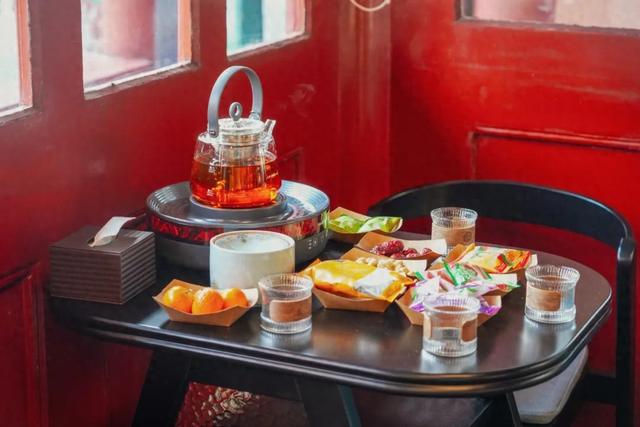
Group 1 - The total number of visitors to city parks reached 717,300 during the seventh day of the Spring Festival holiday, with the top three parks being Temple of Heaven, Summer Palace, and Jingshan Park [1] - Various parks featured food markets and cultural performances, creating a festive atmosphere for visitors [1] - The Park Management Center encouraged visitors to explore less crowded historical gardens in addition to popular attractions [1] Group 2 - Xiangshan Park hosted a "Songlin Market" that showcased a vibrant food culture, with popular items including marinated chicken legs and spicy chicken [3] - An AI pancake machine attracted curiosity, demonstrating a blend of traditional food preparation and modern technology [3] - Visitors could enjoy warm drinks like apple and white fungus tea, enhancing their park experience [3] Group 3 - The tranquil Jiangnan-style garden, Jianxinzhai, offered a unique tea experience with "Sanqing Tea," made from pine nuts, plum blossoms, and Buddha's hand [5] - The park also featured a flower exhibition, providing a visual and sensory feast for visitors [5] - Traditional performances, such as stilt walking, captivated audiences at the Purple Bamboo Garden, adding to the festive spirit [5] Group 4 - The Wen Yue Lou Tian Fu restaurant introduced new festive dishes, including uniquely designed mousse desserts and 3D printed coffee, enhancing the dining experience [7] - The restaurant also hosted an art exhibition, blending culinary and visual arts to celebrate the New Year [7] - Traditional performances and food markets at Taoran Pavilion Park attracted large crowds, with visitors enjoying local delicacies and festive activities [7]

大年初五,70余万人到北京市属公园“寻味”新春
Xin Lang Cai Jing· 2026-02-21 05:57
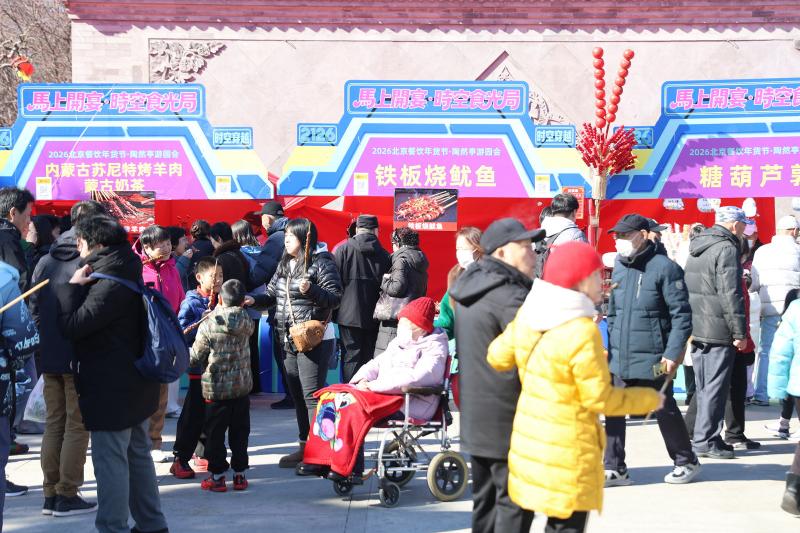
Group 1 - The total number of visitors to city parks during the seventh day of the Spring Festival holiday reached 717,300, with the top three parks being Temple of Heaven, Summer Palace, and Jingshan Park [1] - During the latter half of the holiday, parks like Xiangshan, Taoranting, and Zizhuyuan featured vibrant food markets, attracting visitors to enjoy local delicacies and socialize in a festive atmosphere [1] - The park management center advised visitors to choose nearby parks and avoid peak times, highlighting that historical gardens are also worth visiting beyond popular attractions [1] Group 2 - Xiangshan Park hosted a "Songlin Market" offering a culinary cultural feast, featuring popular dishes such as soy sauce chicken legs and spicy chicken, which were highly sought after by visitors [3] - The market included innovative food options like an AI pancake machine, which attracted curious visitors as it prepared Tianjin pancakes with customizable ingredients [3] - Warm beverages like apple and white fungus drink were available, adding a comforting touch to the park experience [3] Group 3 - Visitors could find tranquility and elegance at Jianxinzhai, where they could enjoy "Three Clear Teas" made from pine nuts, plum blossoms, and Buddha's hand, fostering a warm family atmosphere [5] - The venue also hosted a flower exhibition showcasing a variety of blooms, enhancing the festive spirit [5] Group 4 - On the fifth day of the lunar new year, Zizhuyuan Park featured a "Step by Step Rising" stilt performance, captivating onlookers with high-difficulty acts [7] Group 5 - Taoranting Park showcased traditional folk performances such as lion dances and dragon dances, attracting families and visitors who enjoyed sampling local delicacies from various stalls [9] - Renowned eateries like Quanjude and Donglaishun were particularly popular, offering traditional Beijing snacks and dishes, creating a rich culinary experience for visitors [9] - The park's blend of retro and modern decor, along with interactive elements, provided a unique experience for attendees [9]
颐和园“悬浮花园”惊艳亮相!梅香迎春
Xin Lang Cai Jing· 2026-02-20 08:22
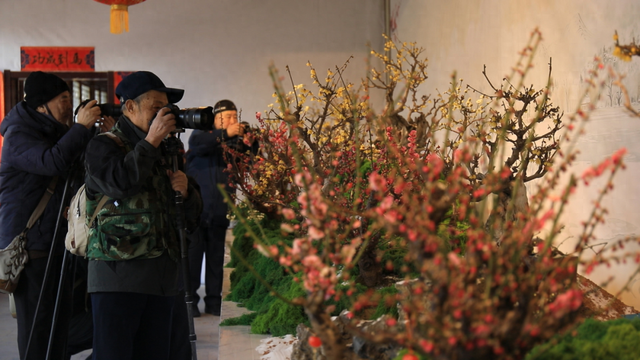
Core Theme - The 15th "Pride and Fragrance" Plum Blossom and Wax Plum Cultural Exhibition at the Summer Palace has opened, themed "Encountering Plum Scenery, Success on Horseback," inviting citizens to experience the blend of tradition and modern garden aesthetics during the Spring Festival [4][5] Exhibition Highlights - This year's exhibition features the largest variety and quantity of flowers in its history, including self-cultivated plum and wax plum bonsai, as well as flowers from various regions such as Yunnan's camellia and Hebei's quince [7] - A stunning 15-meter long "Hundred Horses" wax plum bonsai scroll and a 10-meter "Seeking Plums in the Snow" scroll showcase the integration of poetry and painting [9] - A "floating garden" installation, named "Water and Wood in Harmony," combines traditional garden elements with modern technology, creating a visually striking experience [11] Visitor Experience - The exhibition extends beyond a single hall, introducing a "Plum Seeking Map" that connects various plum and wax plum landscapes throughout the garden [11] - The outdoor wax plum viewing area is currently in full bloom, enhancing the immersive experience for visitors [11] - The exhibition also features a traditional flower arrangement exhibition, showcasing the elegance of court and Suzhou flower arrangement styles [11] Additional Information - The exhibition runs from February 12 to February 23, 2026, at multiple locations within the Summer Palace [16] - Key highlights include ancient bonsai, the "Hundred Horses" scroll, the floating garden, and themed cultural products such as plum-themed beverages [17]
新年茶宴的指定饮品
Xin Lang Cai Jing· 2026-02-20 07:15
Group 1 - The article discusses the creation of "Sanqing Tea" by Emperor Qianlong, which was designated as the special beverage for the New Year tea banquet at the Renshou Palace [2] - Emperor Qianlong personally hosted the tea banquets from the second to the tenth day of the lunar new year, where poetry was composed in a collaborative format between the emperor and his ministers [3] - The tea utensils specifically made for Sanqing Tea included unique designs featuring plum blossoms, pines, and Buddha's hand, reflecting the emperor's appreciation for these elements [2][3] Group 2 - The article highlights the significance of the white couplets used during the New Year celebrations in the Forbidden City, which were linked to the cultural traditions of the Manchu people [4] - The transition from white to red couplets in the Qing Dynasty reflects the blending of Manchu and Han cultures over time [4]
从赛事起点,跃向“视谷”支点
Hang Zhou Ri Bao· 2025-12-24 02:20
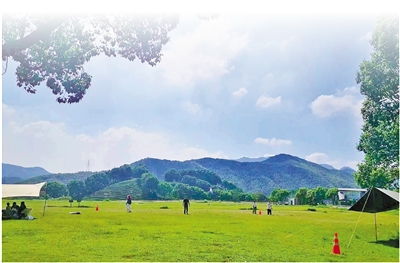
Core Insights - The article highlights the transformation of Dai Village over the past decade, particularly through the establishment of the Sanqingyuan Great Lawn as a hub for various outdoor events, which has significantly boosted local tourism and economic development [3][6]. Group 1: Development of Dai Village - Ten years ago, the Sanqingyuan Great Lawn was merely a local green space, but it has now become a key starting point for major events like the Spartan Race and mountain trail races, showcasing the village's growth trajectory [3][6]. - The local government has strategically positioned the Great Lawn as the origin of cultural and tourism development, aiming to attract visitors and stimulate local industries [3][6]. Group 2: Agricultural and Tea Industry Growth - The establishment of the "Yunyin Mountain House" café and tea space by Ji Qing Agriculture reflects the evolution of the local tea industry, transitioning from unbranded products to a recognized regional brand, "Sanqing," which will be shared among 11 local tea companies by 2024 [4]. - The tea industry is being enhanced through partnerships with agricultural technology firms to improve product quality and sustainability, aiming to convert transient visitors into long-term customers [4]. Group 3: Event-Driven Economic Impact - A diverse array of professional and high-end events has been developed around the Great Lawn, creating a dynamic sports network that connects the natural landscape of Dai Village [6]. - The influx of visitors has led to the growth of local accommodations and businesses, contributing to a vibrant "vertical cultural tourism ecosystem" that has changed perceptions of the region from an industrial focus to one rich in natural beauty [6][7]. Group 4: Strategic Industrial Development - The development of the cultural tourism industry in Dai Village is underpinned by a clear industrial strategy, with initiatives aimed at attracting talent and fostering innovation through events that engage scientists and entrepreneurs [7]. - The completion of the Times Expressway has facilitated access to Dai Village, unlocking its potential for economic growth and urban development, with investments in smart manufacturing and other high-tech industries [7][8]. Group 5: Future Prospects - The ongoing construction of the "China Vision Valley" and related projects is expected to further enhance the local economy, with significant investments aimed at developing the intelligent hardware industry [8]. - The future infrastructure developments, including the Hangzhou Ring Road, will improve accessibility to the Great Lawn, positioning it as a vibrant hub for cultural and technological integration [8].