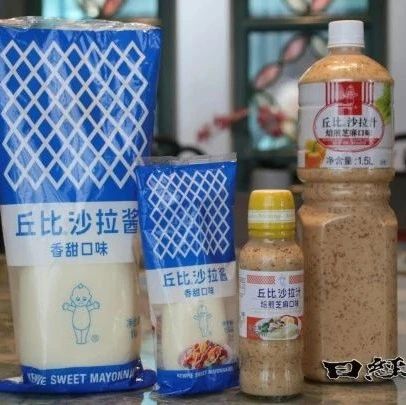
丘比沙拉酱

Search documents
萨莉亚将在粤设中国总公司,日企深耕广东看中了什么?
2 1 Shi Ji Jing Ji Bao Dao· 2025-06-13 00:43
Core Insights - Guangdong is a leading investment destination in China, with over 19 million market entities and a strong foreign investment presence, totaling nearly $600 billion [1] - In the first four months of this year, Guangdong saw a 24.2% increase in newly established foreign-invested enterprises and an 8.9% rise in actual foreign capital utilization [1] - The province has implemented various policies to support foreign investment, including a new round of foreign investment incentive policies set to launch in 2024 [2][3] Group 1: Foreign Investment and Economic Environment - Guangdong has established over 35,000 foreign-invested enterprises, reflecting strong confidence from foreign businesses [1] - The province's actual utilization of Japanese foreign capital increased by over 48% in the same period, indicating a favorable business environment for Japanese companies [2] - The Guangdong government has introduced 12 specific measures to stimulate market vitality and support both domestic and foreign enterprises [3] Group 2: Industry Opportunities and Consumer Demand - Japanese companies have significant advantages in manufacturing technology, supply chain optimization, and market potential, particularly in the food and beverage sector [5] - The demand for high-quality and fresh products in Guangdong is strong, with local Japanese restaurants growing at an annual rate of 18% [5] - There is a notable opportunity for collaboration between Japanese enterprises and local businesses to meet the rising demand for premium ingredients and innovative product offerings [5][6] Group 3: E-commerce and Market Integration - Guangdong's e-commerce market is characterized by large scale, solid supply chains, and diversified channels, with online retail accounting for 20% of the national total [6] - The integration of online convenience and offline experience has made Guangdong's e-commerce landscape particularly vibrant, with over 40% of food orders placed online [6] - Japanese companies can leverage Guangdong's dual-channel sales strategy through online marketplaces and physical stores to enhance market penetration and reduce logistics costs [6]
丘比沙拉酱这样扎根中国市场
日经中文网· 2025-03-07 08:00
Core Viewpoint - Kewpie is expanding its salad dressing market in China through "food education" initiatives, aiming to increase consumer awareness of the nutritional benefits of vegetables and boost sales by 20% in the upcoming fiscal year [1][2][5]. Group 1: Market Strategy - Kewpie has a market share of approximately 60-70% in China's salad dressing sector, significantly outperforming global competitors like Kraft Heinz and Unilever [4][5]. - The company has been actively localizing its products to cater to Chinese tastes, such as adding sugar to its salad dressings to appeal to local preferences [3][5]. - Kewpie's "food education" activities have been conducted in various communities, schools, and elderly facilities, with plans to increase participation from 17,000 to 30,000 by 2025 [2][5]. Group 2: Financial Performance - Kewpie's revenue in the Chinese market increased by 14% in the fiscal year ending November 2024, reaching 36 billion yen, nearly doubling from four years ago [5][6]. - The company aims for a revenue target of 42.8 billion yen for the fiscal year 2025, driven by increased marketing efforts in supermarkets and social networks [5][6]. Group 3: Industry Trends - The overall market for cooking and table sauces in China is projected to reach approximately 113.8 billion yuan in 2024, with salad dressings gaining popularity due to health trends [5][6]. - The aging population in China is leading to increased health awareness, prompting government initiatives to encourage better dietary habits [2][5].