食育

Search documents
每逢佳节胖三斤?娃娃吃饭有讲究
Xin Lang Cai Jing· 2026-02-15 07:28
Core Insights - The article discusses a comprehensive "all-weather nutrition meal" system implemented in Putuo District to address parents' concerns about children's eating habits during holidays, particularly during the Spring Festival [1] Group 1: Challenges Identified - Parents reported five main challenges during the Spring Festival: excessive snack intake, high oil and sugar in traditional festive meals, sedentary lifestyle, unbalanced diet, and frequent gatherings leading to digestive issues and sleep disturbances [2] Group 2: Health Initiatives - A "healthy eating toolbox" has been introduced for families, utilizing the "hand palm plate method" to help children learn portion control by measuring food with their hands [2] - The initiative encourages parents to replace unhealthy snacks with healthier options, such as freeze-dried fruits instead of candies, and to make healthy choices more visible during holiday shopping [2][3] Group 3: Improved Dietary Practices - Families are encouraged to try modified traditional dishes, such as using red dates and raisins instead of white sugar in mini eight-treasure rice, and making spring rolls smaller and baked instead of fried [3] - Research indicates that these modifications lead to more regular meal times and reduced meal delays for children, with over 70% of parents applying learned methods during gatherings [3] Group 4: Health Management in Education - The Putuo District has initiated a "health vice-principal" system in kindergartens to enhance health management, focusing on nutrition, disease prevention, vision management, and obesity intervention [4] - This initiative aims to improve the overall health quality of educational institutions and create a bridge between medical and educational sectors [4]
为梦想加油,从源头播种健康——2025“食育进校园”精准赋能未来烹饪人才
Zhong Guo Shi Pin Wang· 2025-11-24 04:49
Core Insights - The project "Healthy China Action: Food Education in Schools" aims to shift the focus from "delicious eating" to "healthy eating" by empowering culinary students as future guardians of national health [1][6] - The initiative has evolved from general food education for youth to specifically nurturing culinary students, with a strategic emphasis on enhancing their skills and knowledge [3][6] Group 1: Project Development - The project began in 2021, focusing on food education for young people, and has now expanded to include culinary students, starting from pilot programs in provinces like Liaoning, Zhejiang, and Guizhou [3][6] - In 2023, the project compiled its years of practical results into a training textbook titled "Nutrition, Health, and Food Culture," which has been donated to vocational schools in Sichuan, Guizhou, and Chongqing, benefiting tens of thousands of teachers and students [6] Group 2: Educational Model - The "For Dreams" project has established a comprehensive educational model that includes a series of lectures on "Nutritional Cooking and Food Culture," featuring experts from institutions like China Agricultural University [7][9] - Students engage in practical experiences, such as workshops at leading research institutes, to understand the intersection of technology and culinary arts [7][9] Group 3: Industry Impact - The initiative has been recognized by industry leaders, with the honorary vice president of the Chinese Culinary Association highlighting its focus on culinary students as a key element in promoting food education [10] - The project is seen as a significant exploration of culinary education reform, aiming to cultivate well-rounded talents who can contribute to the health of the nation [11]


「食の力」/The Power of Food | Makiko Osada | TEDxAkitaIntlU
TEDx Talks· 2025-10-14 15:47
Health & Wellness - The presentation emphasizes the significant impact of dietary choices on health, suggesting that prioritizing food selection can lead to disease prevention and overall well-being [1] - It highlights the connection between nutrition and mental health, noting a 150% increase in mental illness cases in Japan over the past decade, affecting 1 in 20 individuals [2] - The presentation shares an example of a woman in her 30s with mental health issues who improved her condition by focusing on cooking and mindful eating [2] - The presenter's grandparents, aged 103 and 94, are presented as examples of how daily dietary habits contribute to longevity and health [2] Dietary Practices & Cultural Significance - The presentation advocates for incorporating seasonal ingredients and traditional food cultures into one's diet, citing the nutritional benefits of mushrooms, soy products, and green tea [2] - It emphasizes the importance of "Shokuiku" (food education) in Japan, where school lunches incorporate local produce and cultural traditions, shaping children's lifelong eating habits [3] Practical Recommendations - The presentation encourages dedicating just 5 minutes more per day to mindful eating or cooking, suggesting that this small investment can significantly improve one's quality of life [3]
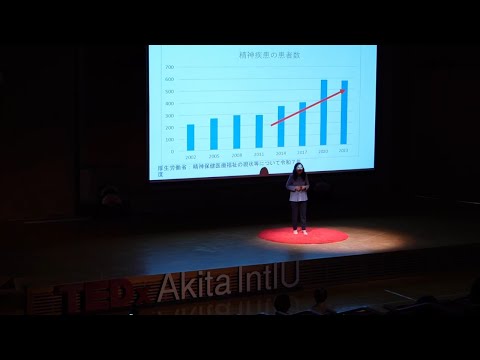
「食の力」/The Power of Food | Makiko Osada | TEDxAkitaIntlU | Makiko Osada | TEDxAkitaIntlU
TEDx Talks· 2025-10-09 15:55
お田まき子さん、どうぞよろしくお願いいたします。こ はい。 今日私は食の持つ力についてお話ししたい と思います。 食の持つ力って何だろうと皆さん思われる かもしれませんが、少し耳を傾けてみて ください。 この1週間どんな食事をしてきましたか. 少し思い出してみてください。 何の数字か分かりますか. 答えは年間の食事の回数です。 私たちは年間で1095回もの食の選択を しているわけです。 生きている中で最も頻繁に選択するものの 1つが食ではないでしょうか。 食を選ぶ力をつけることが人生において 投資効果が高いと言えると思うのです。 なぜなら病気の予防につがり 健康でいることにつがるからです。 長い目で考えると 職は人生を豊かにするとも言えますね。 以前私は高齢者施設で栄養管理の仕事をし ていました。 その施設には認知症があるけれど食べる ことが大好きなおばあちゃんが いらっしゃったんです。 私はなるべくそのおばあちゃんに 話しかけるようにしていました。 なぜなら施設で一番料理を美味しそうに 食べている姿が好きだったからです。 そして料理の味やに関して満足いいてるか を聞くのです。 周りの職員からは認知症だから話 ...
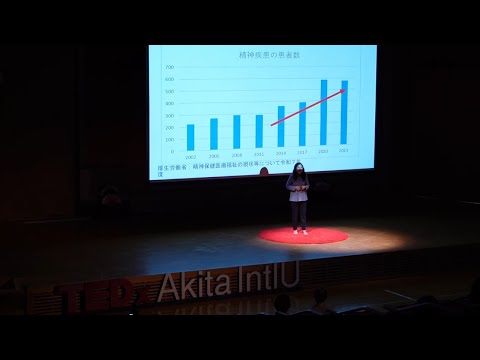
「食の力」/The Power of Nourishment | Makiko Osada | TEDxAkitaIntlU
TEDx Talks· 2025-08-29 15:45
Health and Wellness - The speaker emphasizes the power of food and its impact on health, suggesting that choosing food wisely is a high-return investment in life [1] - The presentation highlights the connection between nutrition and mental well-being, noting a 150% increase in mental illness patients in Japan over the past decade, affecting 1 in 20 people [2] - The speaker shares an anecdote about an elderly woman with dementia who still connected with the pleasure of eating, illustrating the enduring power of taste and memory [1] - The presentation suggests that incorporating seasonal ingredients and nutrient-rich foods like mushrooms, soy products, and green tea can promote serotonin production and potentially alleviate depressive tendencies [2] Dietary Habits and Lifestyle - The presentation advocates for spending just 5 minutes more each day focusing on food, emphasizing that prioritizing food is a cost-effective way to enrich life [3] - The speaker shares the example of her grandparents, aged 103 and 94, who maintain their health through daily diet and exercise, highlighting the importance of daily meals [2] - The presentation mentions the importance of experiencing diverse flavors during childhood, which can contribute to lifelong health [3] Food Education and Cultural Significance - Japan's school lunch programs incorporate local and self-grown vegetables, offering fresh and authentic produce [3] - The presentation notes that eating seasonal and traditional foods can promote cultural knowledge [3]
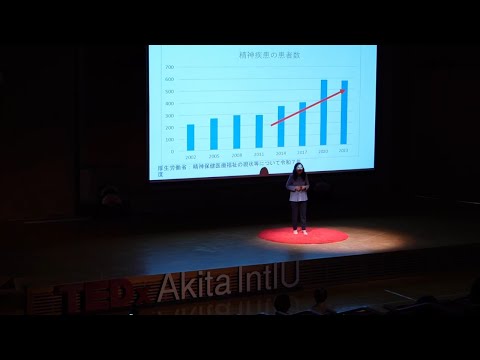
坚守“1厘米之变”食育创新 九阳公益基金会顺利举办第一届校园食育交流会
Zhong Guo Zhi Liang Xin Wen Wang· 2025-05-23 09:13
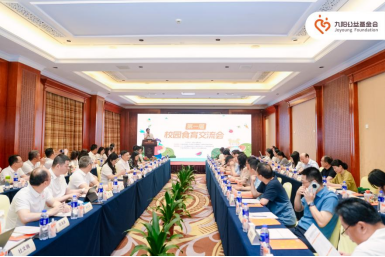
Core Viewpoint - The first Campus Food Education Exchange Conference, organized by the Joyoung Public Welfare Foundation, highlights the urgent need for food education in addressing the nutritional challenges faced by Chinese children [1][3]. Group 1: Event Overview - The conference took place in Pinghu City, Zhejiang Province, with support from local educational and health authorities, and involved over 40 educators from eight provinces [1]. - The event focused on the current nutritional status of children in China and discussed the challenges and innovations in food education within contemporary educational reforms [1][3]. Group 2: Nutritional Challenges - Xu Jiao, Deputy Director of the National Food Safety Risk Assessment Center, pointed out the rising rates of overweight and obesity among Chinese youth, indicating a concerning trend of chronic diseases becoming more prevalent at younger ages [3]. - The root causes of these issues include an imbalance in children's food intake and a lack of health awareness within families and society [3]. Group 3: Local Initiatives - The Pinghu Education Bureau has been promoting a student nutrition meal plan since 1990, and in 2017, it developed a local curriculum on nutrition and food education [3]. - The Joyoung Public Welfare Foundation has been addressing rural children's nutrition issues since 2010, establishing the Hope Fund and the Joyoung Public Kitchen project to enhance meal provision in schools [3][4]. Group 4: Food Education Innovations - The foundation launched the "Food Education Workshop" in 2014 to promote food education through practical cooking experiences, aiming to instill healthy eating habits and traditional dietary culture [4][5]. - The foundation is committed to continuous innovation in the design of educational spaces, curriculum development, and teacher training to enhance food education [5]. Group 5: Educational Impact - Schools are integrating food education into their curricula, with examples such as Zhengzhou Yucai Primary School designing courses that connect students with nature and teach them about nutrition and ecological conservation [5][6]. - The conference included discussions on the broader implications of food education, emphasizing its role in fostering emotional connections and appreciation for beauty beyond mere sustenance [6]. Group 6: Future Directions - The Joyoung Public Welfare Foundation aims to optimize the Food Education Workshop project and strengthen collaborations with educational departments to explore innovative teaching methods [6].

丘比沙拉酱这样扎根中国市场
日经中文网· 2025-03-07 08:00
Core Viewpoint - Kewpie is expanding its salad dressing market in China through "food education" initiatives, aiming to increase consumer awareness of the nutritional benefits of vegetables and boost sales by 20% in the upcoming fiscal year [1][2][5]. Group 1: Market Strategy - Kewpie has a market share of approximately 60-70% in China's salad dressing sector, significantly outperforming global competitors like Kraft Heinz and Unilever [4][5]. - The company has been actively localizing its products to cater to Chinese tastes, such as adding sugar to its salad dressings to appeal to local preferences [3][5]. - Kewpie's "food education" activities have been conducted in various communities, schools, and elderly facilities, with plans to increase participation from 17,000 to 30,000 by 2025 [2][5]. Group 2: Financial Performance - Kewpie's revenue in the Chinese market increased by 14% in the fiscal year ending November 2024, reaching 36 billion yen, nearly doubling from four years ago [5][6]. - The company aims for a revenue target of 42.8 billion yen for the fiscal year 2025, driven by increased marketing efforts in supermarkets and social networks [5][6]. Group 3: Industry Trends - The overall market for cooking and table sauces in China is projected to reach approximately 113.8 billion yuan in 2024, with salad dressings gaining popularity due to health trends [5][6]. - The aging population in China is leading to increased health awareness, prompting government initiatives to encourage better dietary habits [2][5].