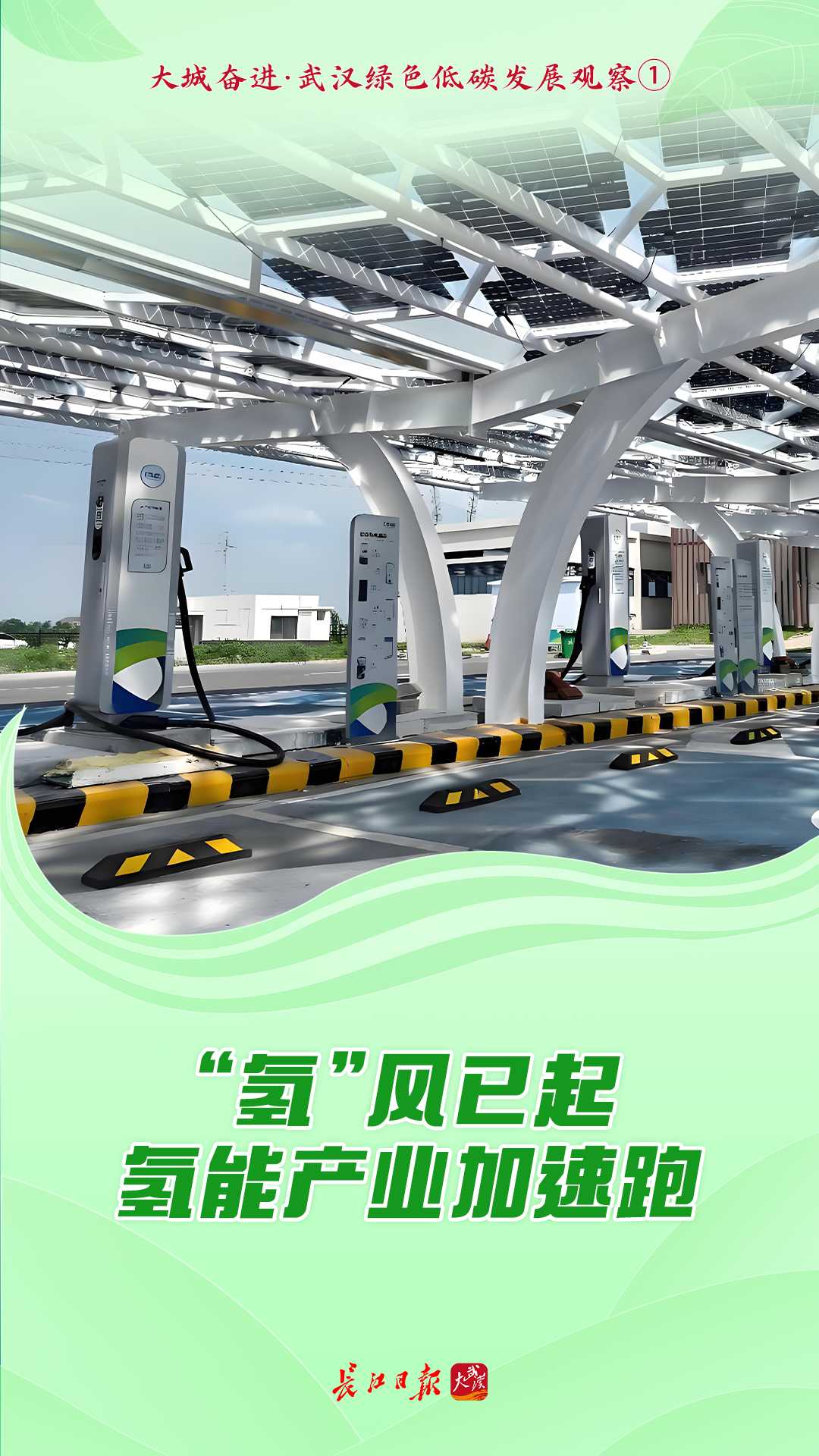
东风氢能重卡

Search documents
东风氢能重卡惊爆1500辆大单!
第一商用车网· 2026-03-31 06:57
Core Viewpoint - The collaboration between Dongfeng Motor's commercial vehicle division and Hubei Anjie Chudao Supply Chain Co., Ltd. aims to promote the application of hydrogen-powered heavy trucks, with a target of selling and deploying 1,500 units in Hubei province, marking a significant step in the hydrogen energy sector [1][3][12] Group 1: Collaboration Details - The partnership will involve the joint procurement of 1,500 hydrogen-powered trucks, including various models such as tractors, cargo trucks, and concrete mixers, to be deployed in multiple operational scenarios [3][9] - The first batch of 20 hydrogen-powered trucks is scheduled for delivery by the end of May, with subsequent deliveries planned throughout the year [3][11] Group 2: Industry Context and Goals - The initiative aligns with global energy transition efforts and China's dual carbon strategy, positioning hydrogen energy as a key area for green upgrades in the commercial vehicle sector [3][12] - Dongfeng aims to overcome technical barriers in hydrogen applications and contribute to the national hydrogen strategy's implementation in Hubei, enhancing its manufacturing capabilities [5][12] Group 3: Market Position and Future Plans - Dongfeng has established itself as a leader in the hydrogen fuel vehicle market, with over 9,000 units sold and operations in more than 40 cities across China [9][12] - The company plans to achieve large-scale production by 2027, positioning its hydrogen-powered heavy trucks as benchmark products in the industry [9][12]


武汉都市圈氢能试点升格“国家级”
Chang Jiang Ri Bao· 2026-01-04 09:26
Core Viewpoint - The "Hubei Wuhan Urban Circle Hydrogen Energy Regional Pilot" has been officially included in the first batch of national hydrogen energy regional pilot projects, marking a significant step for the hydrogen energy industry in the central region of China [1] Group 1: Hydrogen Energy Industry Development - By 2024, China's hydrogen energy production and consumption scale is expected to exceed 36.5 million tons, ranking first in the world [2] - Wuhan's hydrogen energy industry is at the forefront of innovation, with 15 innovation platforms, including 3 national key laboratories, and has filed 12,600 effective hydrogen energy patents [2] - Major companies like Dongfeng and Green Energy are establishing a comprehensive hydrogen energy industry chain in Wuhan, achieving significant advancements in fuel cell technology and production [2][3] Group 2: Regional Collaboration and Infrastructure - The hydrogen energy industry structure in Wuhan is evolving towards a model of "one core, one city, and multiple points of collaboration," with key areas focusing on fuel cell vehicle manufacturing and hydrogen production [3][4] - Wuhan has established 10 hydrogen refueling stations and registered 582 hydrogen fuel cell vehicles, with an expected total output value of 15 billion yuan for the hydrogen energy industry by 2025 [4] Group 3: Policy and Investment Initiatives - The Daya City Hydrogen Energy Industry has launched several initiatives, including a 2 billion yuan hydrogen energy industry fund and various subsidies for hydrogen production and usage [6] - A total investment of 1.05 billion yuan has been committed to seven projects aimed at enhancing the hydrogen energy industry in Daya City [6] Group 4: Future Goals and Strategic Planning - The pilot project aims to achieve a hydrogen energy total output value of over 50 billion yuan by June 2028, with plans to build over 30 hydrogen refueling stations and promote more than 2,600 hydrogen vehicles [7][8] - The initiative will focus on implementing over 30 key projects with a total investment exceeding 24 billion yuan, covering various aspects of the hydrogen energy industry [8]
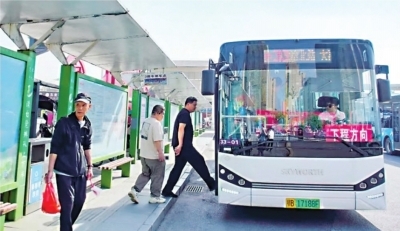
“氢”装上阵,新能源加速驶入新蓝海
Chang Jiang Ri Bao· 2025-08-04 03:12
Group 1: Hydrogen Energy Development - Wuhan is advancing its energy transition by establishing a hydrogen energy corridor, with the deployment of 30 hydrogen fuel trucks that have collectively traveled 1.6 million kilometers since March, reducing carbon emissions by 92% compared to diesel vehicles [4] - The city aims to become a national hydrogen energy hub, with plans to develop three major hydrogen corridors and connect five hydrogen fuel cell demonstration cities, targeting a total hydrogen energy industry output value of 60 billion yuan by 2027 [6] - Dongfeng Motor Corporation has secured a patent for hydrogen fuel cell technology, enhancing the efficiency of hydrogen fuel cells, which are considered the "engine" of new energy vehicles [5] Group 2: Solar Energy Initiatives - Wuhan has initiated several solar energy projects, including the installation of photovoltaic panels on water supply stations, which are expected to generate 206,000 kWh annually and reduce CO2 emissions by 1,010 tons [9] - The city has seen significant growth in distributed solar projects, with 329 industrial enterprises contributing a total installed capacity of 268,300 kW [11] - The energy generated from solar panels in various factories, such as the 1.5 million kWh from the Lantu automobile factory, significantly contributes to reducing carbon emissions and supports the transition to clean energy [10] Group 3: Steam Utilization and Pollution Control - A steam pipeline project has been implemented, connecting 51 enterprises and allowing for significant cost savings and reduced coal consumption, with an annual reduction of 110,000 tons of CO2 emissions [16] - Wuhan has established a high-pollution fuel ban zone to improve air quality, prohibiting the sale and use of high-pollution fuels in designated areas [17] - The transition from coal to cleaner energy sources, such as natural gas and steam reuse, has led to a substantial reduction in carbon emissions, contributing to the city's goal of carbon neutrality [16][18]