东鹏特饮饮料

Search documents
转作风提效能 优服务促发展
Xin Lang Cai Jing· 2026-02-03 00:12
Core Viewpoint - The Nanning High-tech Zone has implemented a series of measures to enhance work style and morale, translating overall requirements for work style construction into specific actions that promote high-quality economic development [1] Group 1: Service Efficiency Improvement - The transformation of work style is first reflected in the efficient operation of the central management, with staff demonstrating a busy yet orderly rhythm during major meetings and events [2] - A closed-loop management mechanism has been established, focusing on "deployment—tracking—feedback—evaluation," ensuring timely execution and resolution of issues [2] - The office was recognized as an advanced collective for service guarantee work by the regional Party office in December 2025 [2] Group 2: Frontline Service Enhancement - The focus of the Party building activities is on serving key enterprises and major projects, with service specialists actively addressing enterprise issues [3] - A mechanism has been implemented for major projects, assigning one leader and a dedicated team to ensure thorough follow-up [3] - Service specialists have resolved 125 urgent issues for key enterprises and major projects, demonstrating their proactive approach [3] Group 3: Collective Efforts and Development - The ultimate goal of work style construction is to gather collective strength, optimize the ecosystem, and promote development [4] - Service efficiency has improved significantly, with various departments collaborating to support enterprise development and project implementation [4] - The atmosphere of collective concern for enterprise development is increasingly strong, contributing to robust economic growth [5]
聚力投资沃土 温馨春城取得新成效
Xin Lang Cai Jing· 2026-01-01 22:55
Core Viewpoint - Kunming is focusing on high-level investment attraction and creating a favorable business environment to drive economic growth during the 14th Five-Year Plan period, with significant increases in project signings and industrial investments [1][2][3]. Group 1: Investment and Project Growth - The number of newly signed projects in Kunming increased by 16.4% year-on-year in the first 11 months of 2025, with the number of projects over 100 million yuan ranking first in the province [1]. - The number of projects over 100 million yuan in Kunming increased from 211 in 2021 to 533 in 2024, with industrial project funding rising from 7.2% in 2021 to 58.5% in 2024 [1]. - The average annual growth rate of projects over 1 billion yuan from 2021 to 2024 was approximately 22.75%, with 56 additional projects in 2024 compared to 2021 [2]. Group 2: Industrial Structure and Investment Quality - The investment structure of primary, secondary, and tertiary industries shifted from 8.3:39.7:52 in 2021 to 5.2:59:35.8 in 2024, indicating a significant change in investment focus [3]. - Industrial investment accounted for 39.5% of total investment in 2024, doubling from 16.2% in 2020, with industrial investment reaching its highest level in 25 years at 26.3% [3]. - The contribution rate of Kunming's industrial output to the province reached 59.4%, an increase of nearly 50 percentage points since 2020 [3]. Group 3: Investment Attraction Mechanisms - Kunming's leadership has actively engaged in investment attraction, with city leaders conducting multiple trips to key regions and countries to promote investment opportunities [4]. - A cross-regional industrial cooperation mechanism was established to enhance collaboration and resource allocation among different districts, leading to the successful landing of several key projects [5]. - The city has implemented a series of policies to improve the quality and efficiency of investment attraction, including a comprehensive management system for the entire project lifecycle [5]. Group 4: Business Environment Improvement - Kunming has made significant strides in improving its business environment, achieving a transition from "good" to "excellent" in national evaluations [7]. - The city has introduced a "clear service" government initiative, ensuring that government services are responsive to business needs, with a high online service availability rate of 97.75% [8]. - The establishment of a "director's consultation" window allows direct engagement with business concerns, addressing 255 issues from 179 companies in 2024 [9]. Group 5: Community and Collaborative Efforts - Kunming has set up 69 business environment observation points and established a supervisory system to enhance community involvement in improving the business climate [10]. - The city has developed a collaborative model involving government, enterprises, and research institutions to optimize the business environment, ensuring that policies reach businesses effectively [10]. - The focus on attracting significant projects and optimizing the business environment aims to support high-quality development and regional economic integration [10].
新晋「网红」饮料,征服中产失败?
创业邦· 2025-05-23 10:06
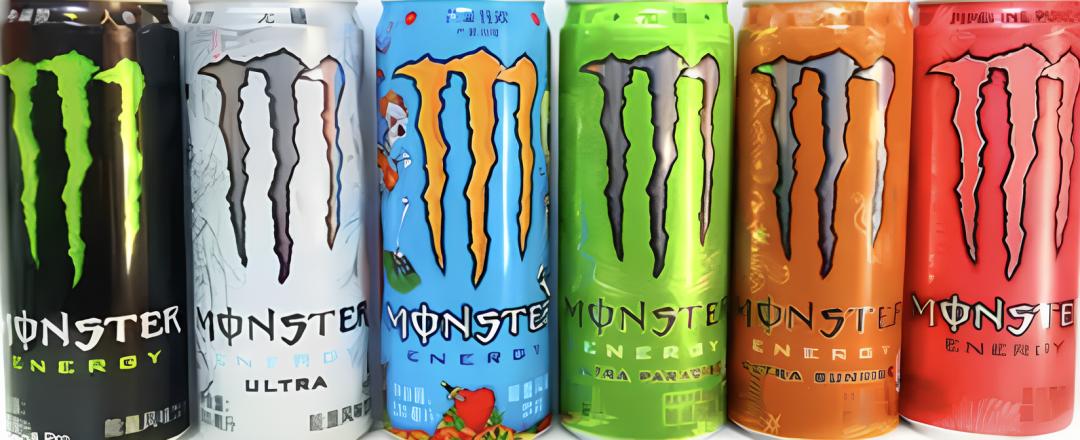
Core Viewpoint - The article discusses the rise of the energy drink brand Monster in China, its association with the "地雷系" (Dilei system) subculture, and the challenges it faces in a competitive market where it struggles to resonate with the broader youth demographic [60][88]. Group 1: Brand Identity and Market Position - Monster is a relatively young but rapidly growing American brand that captured over 30% of the U.S. energy drink market by 2020, second only to Red Bull [60]. - The brand has been marketed towards extreme sports and youth culture, but its appeal in China has been limited due to cultural differences [60][88]. - Monster has launched over 150 new flavors and designs to cater to the personalized needs of young consumers, but its branding has become closely tied to a niche subculture [66][88]. Group 2: Cultural Relevance and Consumer Behavior - The "地雷系" subculture, characterized by its unique aesthetic and lifestyle, has adopted Monster as a fashionable symbol, leading to a shift in the brand's identity from a mainstream energy drink to a niche product [37][48]. - The article highlights that while Monster has gained popularity among a specific group, it has lost broader appeal, as evidenced by its absence from the top five energy drink brands in China, which collectively hold 83% of the market [78][88]. - The cultural disconnect is evident as Monster's marketing strategies, which emphasize extreme and rebellious themes, do not align with the current preferences of Chinese youth, who prioritize self-care and emotional management [84][86]. Group 3: Competitive Landscape - The energy drink market in China is highly competitive, with established brands like Red Bull and Eastroc dominating various consumer segments [71][72]. - Monster's entry into the market faced significant challenges due to the already saturated landscape, leading to limited market penetration [70][88]. - The brand's attempt to introduce localized flavors, such as the "龙茶" (Dragon Tea), has not resonated with the target demographic, further complicating its market position [77][88].


新晋「网红」饮料,征服中产失败?
3 6 Ke· 2025-05-09 01:20
Core Viewpoint - The article discusses the rise of the energy drink brand Monster, its association with niche subcultures, particularly the "地雷系" (Dilei system) in China, and the challenges it faces in adapting to the local market dynamics and consumer preferences [30][43][46]. Group 1: Brand Overview - Monster is a relatively young but rapidly growing American brand that captured over 30% of the U.S. energy drink market by 2020, second only to Red Bull [30]. - The brand has been supported by Coca-Cola since 2014, which acquired a 16.7% stake and leveraged its supply chain to expand globally [30]. - Monster has launched over 150 new flavors and designs by April 2025, catering to the demand for personalized products among young consumers [32]. Group 2: Cultural Association - The drink has become a symbol for the "地雷系" (Dilei system) girls, who are characterized by their unique fashion and personality traits, leading to a cultural phenomenon around Monster [13][20]. - The association with the "地雷系" has transformed Monster from a mainstream energy drink into a niche fashion statement, particularly among young women [17][26]. - The cultural connection has resulted in a significant online discussion about the "地雷系," linking it to historical figures and trends in Chinese internet culture [20][24]. Group 3: Market Challenges - Despite its popularity among niche groups, Monster struggles to penetrate the broader Chinese market, where established competitors like Red Bull and Eastroc occupy significant market share [39][41]. - The brand's marketing strategy, which emphasizes extreme sports and a rebellious lifestyle, does not resonate with the current preferences of Chinese youth, who prioritize self-care and emotional management [46][47]. - A report from 2022 indicated that the top five energy drink brands in China held 83% of the market share, with Monster absent from this list, highlighting its struggle to gain traction [42].