
中国餐饮

Search documents
11月还没结束,中国经济巨变,出现三个反常现象,风向真的变了!
Sou Hu Cai Jing· 2025-11-18 16:11
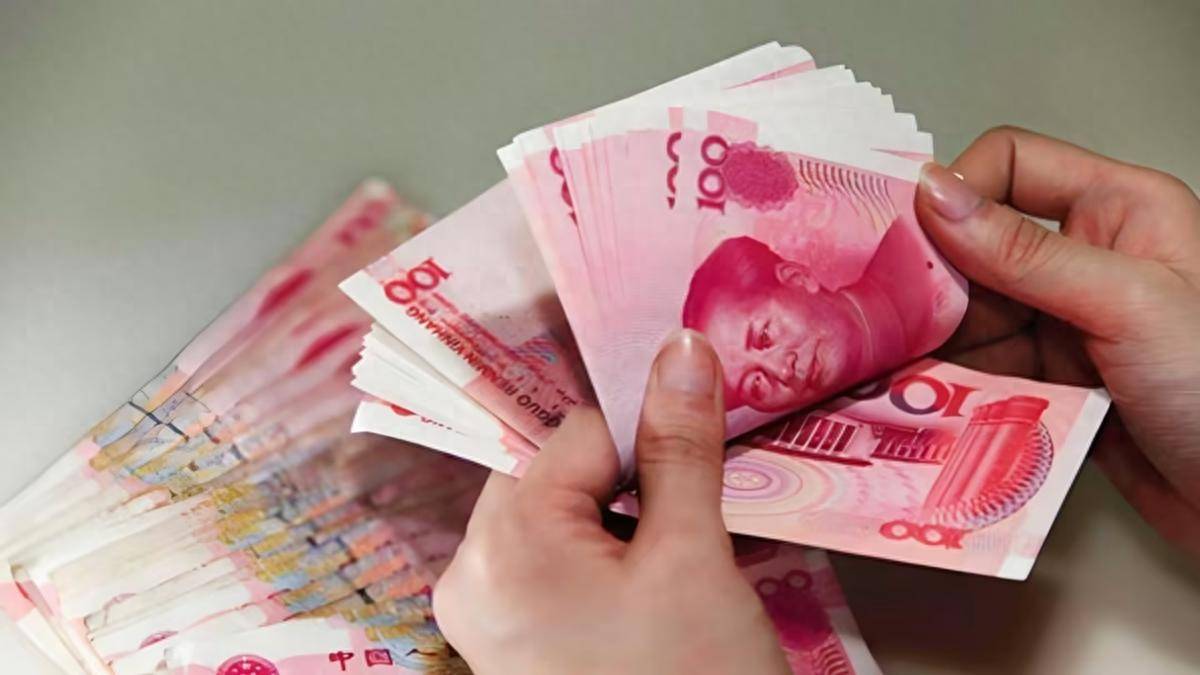
Economic Trends - The current economic landscape in China is characterized by a significant increase in household savings, with total RMB deposits reaching 325.55 trillion, a year-on-year growth of 8%, and household deposits alone increasing by 11.39 trillion in October [2] - The phenomenon of citizens purchasing government bonds has intensified, with some bonds selling out within minutes of release, indicating a shift in consumer behavior towards saving rather than spending [4] Consumer Behavior Changes - There is a notable shift in attitudes towards luxury goods, with brands like Burberry and Coach experiencing sales growth exceeding 30%, despite a general trend of increased savings [6] - The luxury market is adapting by implementing stricter quality checks and offering discounts to boost sales, reflecting a change in consumer expectations and market dynamics [7][8] Automotive Market Dynamics - Sales of imported luxury vehicles such as Mercedes-Benz and Audi have declined, while domestic brands like BYD and Geely are gaining market share, indicating a shift in consumer preferences towards local products [9] Brand Perception and Global Influence - The transition from a focus on GDP growth to a more consumer-centric economy highlights the rising influence of Chinese brands globally, with a growing confidence among consumers in domestic products [11] - Chinese brands are increasingly recognized for their quality and innovation, with companies like Huawei and Xiaomi making significant inroads in international markets, showcasing the evolution of "Made in China" to a brand-driven economy [13][15]

中国餐饮品牌积极推广,东南亚“品尝”中国软实力
Huan Qiu Wang· 2025-07-11 02:40
Core Insights - The article discusses the rapid expansion of Chinese supermarkets and food stores in Southeast Asia, particularly in Indonesia, Malaysia, Thailand, and Vietnam over the past five years [1] - Chinese food imports have increased in Southeast Asia, enhancing the image of Chinese brands through food packaging and the proliferation of Chinese restaurant chains [1] - As of the end of 2024, around 60 Chinese restaurant brands are expected to have opened over 6,100 stores in Southeast Asia, driven by intense competition in China's domestic restaurant industry [1] - The article highlights a cultural shift where Southeast Asian youth are increasingly influenced by affordable Chinese snacks, reflecting a broader strategy to enhance China's cultural soft power [1] Industry Trends - Chinese cuisine is gaining popularity among Southeast Asian youth on social media, leading to a "reverse country-of-origin effect" where product quality enhances perceptions of the country [2] - The trend indicates that food trade between ASEAN and China will continue to grow alongside other forms of economic integration [2] - Southeast Asian youth are increasingly engaging with Chinese media, music, social platforms, and games, which is strengthening China's influence in the region [2] - The expectation is set for more Chinese brand chains to appear in Southeast Asia, reflecting the growing familiarity and acceptance of Chinese culture among local populations [2]