中程弹道导弹

Search documents
东西问丨美国大军压境,伊朗为何“还不屈服”?
Zhong Guo Xin Wen Wang· 2026-02-24 03:34
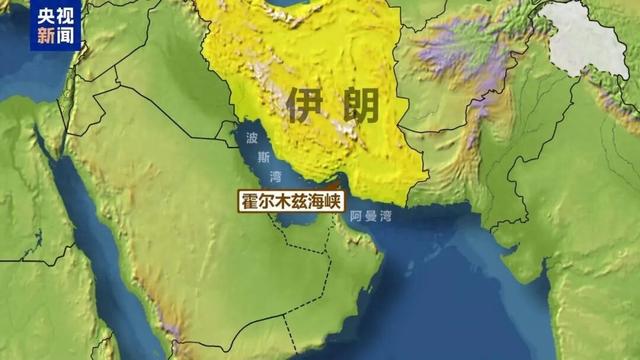
Group 1 - The ongoing U.S.-Iran tensions are escalating, with the U.S. potentially planning military strikes while Iran maintains a strong stance against yielding to pressure [1][3] - Iran possesses approximately 2,000 medium-range ballistic missiles, capable of reaching U.S. military bases in Turkey, Israel, and Gulf states, indicating its ability to retaliate if attacked [3] - The Strait of Hormuz is a critical geopolitical asset for Iran, through which about 20% of the world's oil passes, and Iran has threatened to close it in response to military action, which could significantly impact global energy supply [4] Group 2 - Iran's historical experience with negotiations, particularly the 2015 nuclear deal, has made it wary of compromising, as past concessions did not lead to lasting peace but rather further aggression [6] - The current standoff is seen as vital for Iran's regime survival and national dignity, with the Supreme Leader emphasizing that true strength comes from national will and resilience [7] - The potential for a prolonged conflict poses risks for the U.S., as its military might face challenges in a drawn-out engagement, which could contradict political promises and lead to domestic repercussions [8][10]

美国大军压境,伊朗为何“还不屈服”?
Xin Lang Cai Jing· 2026-02-23 13:28
Group 1 - The ongoing geopolitical tension between the US and Iran is escalating, with the US military potentially preparing for strikes against Iran, employing a strategy of "small strikes" followed by "larger strikes" [1] - Iran possesses approximately 2,000 medium-range ballistic missiles, capable of reaching as far as western Turkey, Israel, and US military bases in the Gulf region, indicating its ability to retaliate if attacked [1] - The Strait of Hormuz is a critical geopolitical asset for Iran, through which about 20% of the world's oil supply is transported, and Iran has threatened to close this strait in the event of military action [2][1] Group 2 - The international oil prices have reached new highs amid the escalating US-Iran confrontation, and a conflict could severely disrupt the global energy supply chain, affecting even the US economy [2] - Iran's historical experience with negotiations, particularly the 2015 nuclear deal, has made it wary of compromising, as past concessions did not lead to lasting peace but rather further aggression [4][5] - The current standoff is seen by Iran as a matter of national survival and dignity, with the Supreme Leader emphasizing that true national strength comes from the will of the people, not just military might [5][1] Group 3 - The potential for a prolonged conflict poses risks for the US, as its military operations in Iran would be complicated by the country's strong military capabilities and regional networks, which could lead to a drawn-out engagement [7] - The political implications for the US are significant, as a long-term war could contradict President Trump's campaign promise to end endless wars, potentially jeopardizing his support among key voter groups [7][1] - The ongoing struggle reflects a complex interplay of military strength, geographical significance, historical lessons, and current political realities, with both sides testing each other's limits [10][1]