鱼雷艇

Search documents
东西问丨美国大军压境,伊朗为何“还不屈服”?
Zhong Guo Xin Wen Wang· 2026-02-24 03:34
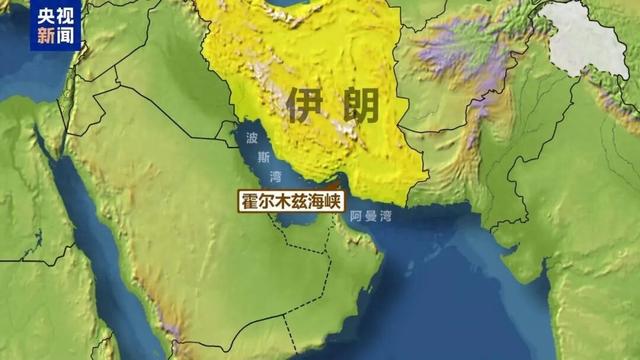
Group 1 - The ongoing U.S.-Iran tensions are escalating, with the U.S. potentially planning military strikes while Iran maintains a strong stance against yielding to pressure [1][3] - Iran possesses approximately 2,000 medium-range ballistic missiles, capable of reaching U.S. military bases in Turkey, Israel, and Gulf states, indicating its ability to retaliate if attacked [3] - The Strait of Hormuz is a critical geopolitical asset for Iran, through which about 20% of the world's oil passes, and Iran has threatened to close it in response to military action, which could significantly impact global energy supply [4] Group 2 - Iran's historical experience with negotiations, particularly the 2015 nuclear deal, has made it wary of compromising, as past concessions did not lead to lasting peace but rather further aggression [6] - The current standoff is seen as vital for Iran's regime survival and national dignity, with the Supreme Leader emphasizing that true strength comes from national will and resilience [7] - The potential for a prolonged conflict poses risks for the U.S., as its military might face challenges in a drawn-out engagement, which could contradict political promises and lead to domestic repercussions [8][10]

美国大军压境,伊朗为何“还不屈服”?
Xin Lang Cai Jing· 2026-02-23 13:28
Group 1 - The ongoing geopolitical tension between the US and Iran is escalating, with the US military potentially preparing for strikes against Iran, employing a strategy of "small strikes" followed by "larger strikes" [1] - Iran possesses approximately 2,000 medium-range ballistic missiles, capable of reaching as far as western Turkey, Israel, and US military bases in the Gulf region, indicating its ability to retaliate if attacked [1] - The Strait of Hormuz is a critical geopolitical asset for Iran, through which about 20% of the world's oil supply is transported, and Iran has threatened to close this strait in the event of military action [2][1] Group 2 - The international oil prices have reached new highs amid the escalating US-Iran confrontation, and a conflict could severely disrupt the global energy supply chain, affecting even the US economy [2] - Iran's historical experience with negotiations, particularly the 2015 nuclear deal, has made it wary of compromising, as past concessions did not lead to lasting peace but rather further aggression [4][5] - The current standoff is seen by Iran as a matter of national survival and dignity, with the Supreme Leader emphasizing that true national strength comes from the will of the people, not just military might [5][1] Group 3 - The potential for a prolonged conflict poses risks for the US, as its military operations in Iran would be complicated by the country's strong military capabilities and regional networks, which could lead to a drawn-out engagement [7] - The political implications for the US are significant, as a long-term war could contradict President Trump's campaign promise to end endless wars, potentially jeopardizing his support among key voter groups [7][1] - The ongoing struggle reflects a complex interplay of military strength, geographical significance, historical lessons, and current political realities, with both sides testing each other's limits [10][1]
美军打击“箭在弦上”,伊朗有哪些应对手段?
Hua Er Jie Jian Wen· 2026-01-31 00:55
Group 1: Military Actions and Strategies - The U.S. has threatened military intervention against Iran, with the deployment of the USS Abraham Lincoln carrier strike group and numerous aircraft to the Middle East, providing a range of military options for the Trump administration [1] - Various military strike plans against Iran have been considered, including a "massive" bombing campaign targeting the Iranian regime and its Islamic Revolutionary Guard Corps facilities, as well as smaller-scale strikes on symbolic targets [1][2] - Iran possesses approximately 2,000 medium to long-range ballistic missiles capable of striking Israel, along with numerous short-range missiles that threaten U.S. military assets in the Persian Gulf [2][3] Group 2: Iran's Military Capabilities - Despite suffering significant losses during the "Twelve-Day War," Iran has improved its missile capabilities and has a substantial arsenal of drones, cruise missiles, and torpedo boats that pose a real threat to U.S. and Israeli military targets [2][3] - Iran's missile launch capabilities have been enhanced, allowing for direct launches from underground silos, which reduces vulnerability during the launch process [3] - Analysts indicate that Iran's missile strength, despite being weaker than the U.S. military, still presents a significant challenge for any potential U.S. military action [3][4] Group 3: Regional Implications and Economic Impact - Any military strike against Iran could escalate into a broader regional conflict, which the Trump administration aims to avoid, as indicated by previous statements emphasizing a desire for quick resolutions [4] - Iran's potential closure of the Strait of Hormuz could severely disrupt global oil markets, as approximately 20% of the world's LNG and 20-25% of oil exports pass through this critical waterway [8] - The presence of Iranian allies in the region, such as Hezbollah and the Popular Mobilization Forces, could further complicate the situation and provide support to Iran in the event of military action [8] Group 4: U.S. Military Presence and Challenges - The U.S. maintains over 20 military bases in the Middle East, with approximately 40,000 troops stationed in the region, many of which are within range of Iranian missiles [7] - The U.S. has deployed numerous Patriot and THAAD missile defense systems in the region, but analysts warn that the vast area needing defense may limit their effectiveness against potential Iranian missile attacks [6] - The cost and logistical challenges of maintaining a large military presence in the Middle East are significant, raising concerns about the sustainability of U.S. operations in the region [7]
释新闻|美军打击“箭在弦上”,伊朗有哪些应对手段?
Xin Lang Cai Jing· 2026-01-30 23:52
Group 1: Military Actions and Strategies - The U.S. has threatened military intervention against Iran, with the deployment of the USS Abraham Lincoln carrier strike group and numerous aircraft to the Middle East, providing a range of military options for the Trump administration [1] - Various military strike plans against Iran have been considered, including a "large-scale" bombing campaign targeting the Iranian regime and its Islamic Revolutionary Guard Corps facilities, as well as smaller-scale strikes on symbolic targets [1][3] - Iran possesses approximately 2,000 medium to long-range ballistic missiles capable of striking Israel and a significant number of short-range missiles aimed at U.S. military assets in the Persian Gulf [3][4] Group 2: Iran's Military Capabilities - Despite suffering significant losses during the "Twelve-Day War," Iran has improved its missile capabilities and can launch attacks using short-range missiles against nearby U.S. targets [3][4] - Iran has integrated 1,000 strategic drones into its military operations, enhancing its offensive capabilities [3] - Analysts note that Iran's missile launch methods have evolved, allowing for direct launches from underground silos, making them harder to target [4] Group 3: Regional Implications and Risks - Any military action against Iran could escalate into a broader regional conflict, which the Trump administration aims to avoid [5] - The U.S. has deployed numerous "Patriot" and "THAAD" missile defense systems in the region, but analysts warn that the vast area needing defense may limit their effectiveness [6] - Iran's ability to potentially close the Strait of Hormuz poses a significant threat to global oil markets, as approximately 20% of the world's LNG and 20-25% of oil passes through this strategic waterway [8] Group 4: Support from Regional Allies - Despite setbacks, Iran's regional allies, such as the Popular Mobilization Forces in Iraq and Hezbollah in Lebanon, have pledged support in the event of military action against Iran [8] - The potential for a coordinated response from these groups could complicate U.S. military operations in the region [8] Group 5: Strategic Considerations - The U.S. has over 20 military bases in the Middle East, with approximately 40,000 troops stationed within range of Iranian missiles [7] - The cost of maintaining a large military presence in the region is significant, raising questions about the sustainability of U.S. operations [7]