
他莫昔芬

Search documents
Nsture:禁食通过激活糖皮质激素增强乳腺癌治疗效果
生物世界· 2025-12-11 04:28
Core Viewpoint - The article discusses the potential of fasting to enhance the efficacy of endocrine therapy in HR+ breast cancer patients, highlighting a recent study that identifies glucocorticoid activation as a key mechanism behind this effect [2][4][11]. Group 1: Fasting and Endocrine Therapy - HR+ breast cancer, which includes estrogen receptor-positive (ER+) and progesterone receptor-positive (PR+) types, accounts for 75% of all breast cancer diagnoses, with endocrine therapy being the primary treatment method [2][6]. - Standard endocrine therapy often faces limitations due to primary or acquired resistance, leading to tumor recurrence and progression after several years of treatment [6][7]. - Periodic fasting has been shown to enhance the effects of standard endocrine therapy and delay the onset of acquired resistance, although the underlying mechanisms were previously unclear [7][9]. Group 2: Recent Research Findings - A study published in Nature by researchers from the Netherlands Cancer Institute and the University of Genoa on December 10, 2025, demonstrates that fasting enhances breast cancer treatment efficacy through glucocorticoid activation [3][4]. - The research indicates that fasting induces extensive epigenetic reprogramming in ER+ breast cancer models, activating glucocorticoid receptors (GR) and progesterone receptors (PR), while reducing the activity of AP-1 family members [7][9]. - In human patients undergoing periodic simulated fasting diets, increased levels of progesterone and cortisol were observed, correlating with the activation of GR and negative correlation with proliferation markers in tumor samples [9][11]. Group 3: Implications for Treatment - The study suggests that the activation of glucocorticoid receptors plays a critical role in enhancing the activity of endocrine therapy during fasting, indicating the potential for evaluating corticosteroids as adjuncts to endocrine treatment [11].


润承经典,愈见新生丨2025乳腺癌精准诊疗与长生存价值研讨会圆满落幕,开启患者净获益新时代
Ren Min Wang· 2025-11-18 07:57
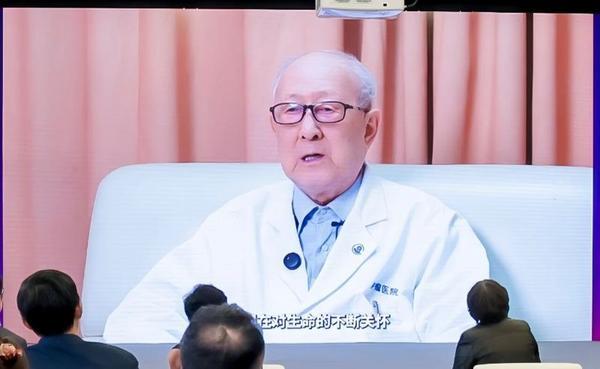
Core Viewpoint - Breast cancer has become the most prevalent malignant tumor globally, and its prevention and treatment are crucial for public health. The "2025 Breast Cancer Precision Diagnosis and Long-term Survival Value Seminar" held in Shanghai focused on optimizing breast cancer diagnosis and treatment under the context of precision medicine, emphasizing patient-centered long-term survival strategies [1]. Group 1: Conference Overview - The seminar was chaired by prominent figures in the field, including Professor Shen Zhenzhou and Academician Xu Binghe, gathering top scholars to discuss the enduring value of classic treatment protocols and long-term patient management [1][3]. - The event highlighted the evolution of treatment philosophies, transitioning from "maximum tolerated" to "minimum effective" approaches, underscoring the importance of established treatment protocols as foundational elements in breast cancer care [3][5]. Group 2: Clinical Insights - Professors Shao Zhimin and Zhang Jin emphasized the clinical significance of classic drugs, advocating for deep academic exchanges to solidify consensus on their value while accelerating the development of innovative therapies [5][6]. - The discussion included the need for a dual focus on innovation and the enduring efficacy of classic treatments in enhancing patient survival and quality of life [6]. Group 3: Industry Perspectives - Dong Hao, Deputy General Manager of China Resources Pharmaceutical Group, articulated the company's commitment to integrating classic treatment strategies into clinical practice to meet unmet patient needs [8]. - The seminar also addressed the challenges and opportunities within the Chinese pharmaceutical industry, particularly in the context of drug approval reforms and the need for efficient commercialization strategies [10]. Group 4: Quality Control and Standardization - The establishment of quality control alliances and standardized treatment protocols was discussed, with a focus on enhancing regional healthcare delivery and ensuring equitable access to breast cancer care [11]. Group 5: Future Directions - The seminar concluded with a focus on the future of breast cancer treatment, emphasizing the importance of classic drugs alongside innovative therapies, particularly in the context of ongoing clinical trials and research [35][38]. - The "Net Benefit Long-term Survival Navigation Plan" was launched, aiming to improve overall management of breast cancer through collaborative efforts [31].

Cell Discovery:邵志敏/江一舟/金希团队发现乳腺癌治疗新靶点
生物世界· 2025-11-12 09:00
Core Viewpoint - The study highlights the significance of gene fusions, particularly ADK fusions, in hormone receptor-positive breast cancer, suggesting they are key drivers of cancer progression and potential therapeutic targets [2][3][5]. Group 1: Gene Fusion Insights - The research presents a comprehensive landscape of gene fusions in hormone receptor-positive (HR+) breast cancer, identifying ADK fusions, such as KAT6B::ADK, as novel and recurrent driver genes [3][5]. - The KAT6B::ADK fusion gene enhances the metastatic potential of breast cancer and confers resistance to tamoxifen, a common anti-estrogen drug used in breast cancer treatment [7]. Group 2: Mechanisms and Therapeutic Implications - Mechanistically, KAT6B::ADK activates ADK kinase activity through liquid-liquid phase separation (LLPS), triggering the activation of integrated stress response signaling pathways [7]. - Organoids derived from HR+/HER2- breast cancer patients carrying KAT6B::ADK exhibit higher sensitivity to ADK inhibitors, underscoring the therapeutic potential of this fusion gene in breast cancer treatment [9].
2025年中国乳腺癌内生用药行业概览:当“她未说”的疼痛被听见,中国女性健康市场是否按下“加速键”?
Tou Bao Yan Jiu Yuan· 2025-07-22 12:59
Investment Rating - The report does not explicitly state an investment rating for the industry Core Insights - The China breast hyperplasia medication industry is experiencing diversified development, with both traditional Chinese medicine (TCM) and Western medicine collaborating to meet differentiated treatment needs. TCM is favored for its cost-effectiveness and long-term management characteristics, while Western medicine dominates in areas such as hormone regulation and pain control. The industry's growth is primarily driven by increased health awareness among women and the accelerated adoption of early screening and comprehensive health management models under policy guidance. The industry is expected to continue expanding due to policy support, technological innovation, and driven by segmented demand [2][3]. Summary by Sections Industry Overview - Breast hyperplasia is the most common benign breast disease, characterized by symptoms such as breast pain and nodules. The condition arises from abnormal development and degeneration of breast tissue, leading to structural disarray. The clinical manifestations include breast pain, nodular states, or lumps, with some patients experiencing nipple discharge. The pathogenesis is associated with excessive action of hormones such as estradiol, progesterone, and prolactin [3][10][11]. Market Size - The market for breast hyperplasia medication in China is projected to reach 35.98 billion yuan by 2024, with Western medicine accounting for 18.73 billion yuan and TCM for 17.24 billion yuan. By 2029, the market size is expected to grow to 43.27 billion yuan. The demand for TCM is primarily driven by long-term management needs of female patients, while Western medicine is favored for its rapid efficacy in hormone regulation and pain relief [30][31]. Industry Chain Analysis - The upstream analysis indicates that the supply of animal-based medicinal materials is stable, while the prices of root-based materials fluctuate significantly, impacting midstream production. The midstream sector is characterized by a low level of capital participation, with small enterprises relying on unique products to build competitive advantages. The downstream analysis shows a trend towards online sales channels, with a notable shift in treatment preferences among patients [37][41][46]. Competitive Landscape - The competitive landscape of the breast hyperplasia medication industry reveals that TCM products dominate the market, with a significant number of unique products held by non-listed companies. The report highlights that only 31% of manufacturers have a listed company background, indicating a low level of capital involvement in the industry [42][43]. Development Trends - The "Women’s Development Outline" promotes a multi-dimensional approach to the breast hyperplasia medication industry, emphasizing the importance of early screening and comprehensive health management. This policy framework is expected to enhance the accessibility and affordability of breast hyperplasia medications, driving demand for both TCM and Western medicine [34].