
榛树导弹

Search documents
一图读懂:俄乌冲突爆发四周年
Xin Lang Cai Jing· 2026-02-24 01:17
Core Points - The article reviews the key events of the Russia-Ukraine conflict over the past four years, highlighting significant incidents such as military actions, negotiations, and territorial changes [1][55]. Group 1: Major Events - In February 2022, Russia launched a special military operation against Ukraine, prompting Ukraine to declare a state of war and sever diplomatic ties with Russia [56]. - In March 2022, face-to-face negotiations took place in Turkey, but they eventually stalled despite initial proposals being documented [3][57]. - The sinking of the Russian cruiser "Moskva" was reported in April 2022, attributed to an explosion, with Ukraine claiming responsibility for the attack [7][59]. - By April 2022, Russia claimed to have controlled most of Mariupol, excluding the Azovstal steel plant, and later announced full control over the plant's underground facilities [9][61]. - In September 2022, the Nord Stream pipelines experienced explosions, leading to significant gas leaks [12][62]. - Four regions, including Donetsk and Luhansk, were annexed by Russia in September 2022, formalized through treaties signed by President Putin [13][63]. Group 2: Escalation and International Involvement - In March 2023, a U.S. MQ-9 drone was reported to have crashed in the Black Sea after being intercepted by Russian fighter jets [14][66]. - In May 2023, Russia claimed to have fully controlled the town of Bakhmut (known as Artyomovsk in Russian), although Ukraine disputed this claim [21][72]. - A significant event in June 2023 was the Wagner Group's rebellion, which drew global attention and was labeled a "armed rebellion" by Putin [22][73]. - In February 2024, French President Macron suggested the possibility of sending Western troops to Ukraine, which raised concerns about a major escalation in the conflict [27][76]. - In August 2024, Ukraine confirmed receipt of F-16 fighter jets from Western nations, with Ukrainian pilots beginning to operate them [28][78]. Group 3: Ongoing Developments - In November 2024, Russia announced the first use of a new hypersonic missile named "Zhazhda" in operations against Ukraine [31][81]. - In December 2024, a Russian general was killed in a bombing incident in Moscow, which was classified as a terrorist attack [34][84]. - In early 2025, Trump indicated a potential shift in U.S. policy regarding territorial exchanges between Russia and Ukraine, which was met with strong opposition from Ukraine [42][93]. - In January 2026, a trilateral meeting involving Russia, the U.S., and Ukraine concluded without a joint statement, marking the first such contact since February 2022 [50][97]. - The European Union passed a regulation to completely ban imports of Russian natural gas, effective in 2027, which was met with critical responses from Russia [52].


俄军导弹炸穿能源命脉,默茨急寻普京对话,欧洲对俄强硬时代终结
Sou Hu Cai Jing· 2026-01-17 08:29
Group 1 - European leaders, including German Chancellor Merz, are calling for dialogue with Russia, indicating a shift in stance as they face military and energy pressures [2][4] - The Russian military's recent strike on a major gas storage facility in Ukraine has severely impacted Europe's energy supply, threatening heating for 1.2 million people and causing energy prices to surge [2] - Major companies like Bosch have begun layoffs, with 22,000 jobs cut, and nearly one-third of businesses are reducing investments, highlighting a trend of "de-industrialization" in Europe [2] Group 2 - The U.S. is reducing its support for Europe, complicating the situation as European nations previously relied on American backing to confront Russia [4] - Internal conflicts within the EU have emerged, particularly over military spending and procurement, with France advocating for European defense autonomy while Germany and the Netherlands oppose it [4] - The shift in Europe's approach towards Russia is seen as a pragmatic survival strategy rather than a genuine desire for peace, as the continent grapples with military threats, economic challenges, and internal divisions [6]

170亿方气库遭炸毁,北约防空形同虚设,普京直击要害断欧洲能源命脉
Sou Hu Cai Jing· 2026-01-15 12:59
Core Insights - The use of the "Oreshnik" missile by Russia marks a significant escalation in conventional strategic strike capabilities, demonstrating the ability to bypass existing Western defense systems [1][10][11] - The attack on the underground gas storage facility in Lviv, a critical energy hub for Europe, has profound implications for European energy security and market stability [3][5][8] Group 1: Missile Capabilities and Impact - The "Oreshnik" missile, capable of flying at speeds exceeding 10.53 Mach, can strike targets within minutes, rendering current defense systems nearly ineffective [1][10] - The missile's successful penetration of deep geological structures signifies a shift in Russia's military strategy, focusing on critical energy infrastructure rather than traditional military targets [3][12][17] Group 2: Energy Security Implications - The destroyed gas storage facility in Lviv holds over 17 billion cubic meters of gas, accounting for more than 52% of Ukraine's storage capacity, crucial for maintaining energy supply in Central Europe [5][8] - The attack has led to a 23% spike in TTF natural gas prices within 48 hours, indicating immediate market panic and potential long-term volatility in energy pricing [8][24] Group 3: Geopolitical Repercussions - The choice of target near the Polish border serves as a geopolitical provocation, challenging NATO's perceived security guarantees and highlighting vulnerabilities in collective defense mechanisms [8][12][19] - The incident has caused divisions within Europe regarding energy policy and defense strategies, with some countries advocating for increased military support for Ukraine while others push for energy independence [19][20] Group 4: Strategic Shifts in Warfare - Russia's approach reflects a transition from traditional territorial warfare to a strategy aimed at undermining the opponent's capacity to sustain conflict through targeted strikes on energy infrastructure [17][24][45] - The successful use of the "Oreshnik" missile may accelerate the development of hypersonic weapons globally, reshaping defense strategies and military preparedness in Europe and beyond [43][45]
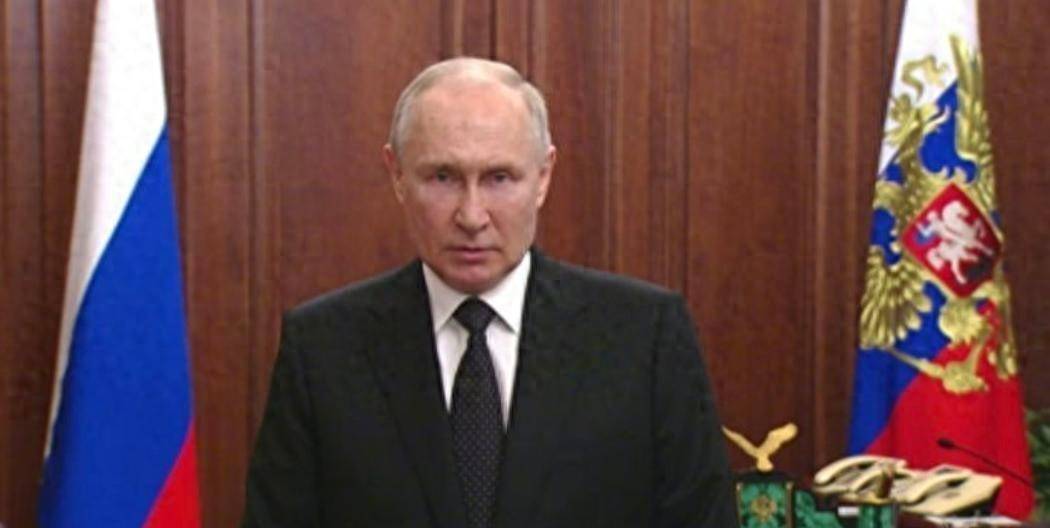
普京出手了,欧洲最大能源设施遭炸,美英法德紧急行动
Sou Hu Cai Jing· 2026-01-15 12:59
Core Insights - The explosion at the gas storage facility in Lviv, Ukraine, is a strategic-level incident that has disrupted heating for 1.2 million people, raising concerns across Europe [1][3][38] - The use of the Kinzhal hypersonic missile by Russia signifies a shift in warfare tactics, emphasizing energy control as a critical element in modern conflicts [12][39][46] Group 1: Strategic Implications - The Lviv gas storage facility holds nearly half of Ukraine's strategic gas reserves and is a key node in the gas supply network to Western Europe [2] - The explosion has led to a 17% spike in European natural gas prices, indicating the broader economic impact of the attack [3] - Russia's approach of targeting energy infrastructure serves as a strategic deterrent, demonstrating its capability to disrupt essential services in Europe [7][10][39] Group 2: Military Tactics - The Kinzhal missile, capable of flying at Mach 10, was used in a composite strike involving drones and cruise missiles, showcasing a new operational paradigm in warfare [12][14] - The attack on the Lviv facility was not merely tactical but a strategic decapitation, aimed at sending a clear message to Western nations supporting Ukraine [5][8] - The integration of hypersonic weapons into conventional military operations marks a significant evolution in Russia's military strategy [34][46] Group 3: Economic and Humanitarian Impact - The destruction of the gas storage facility has led to systemic failures in heating and electricity supply, affecting hospitals and vulnerable populations [33][45] - The average daily gas shortfall in Lviv is reported at 28 million cubic meters, exacerbating the humanitarian crisis as winter temperatures drop [45] - The economic strain on ordinary citizens is evident, with increased heating costs consuming a significant portion of retirement pensions [45][33] Group 4: Geopolitical Dynamics - The ongoing conflict has led to a fracturing of Western alliances, with differing approaches to the crisis among the U.S., France, Germany, and the U.K. [24][26] - Russia's strategy of maintaining a hardline stance while waiting for Western divisions to emerge reflects a calculated approach to prolonging the conflict [27][30] - The use of energy as a weapon underscores the importance of energy security in national defense strategies, with countries scrambling to bolster their strategic reserves [39][60]
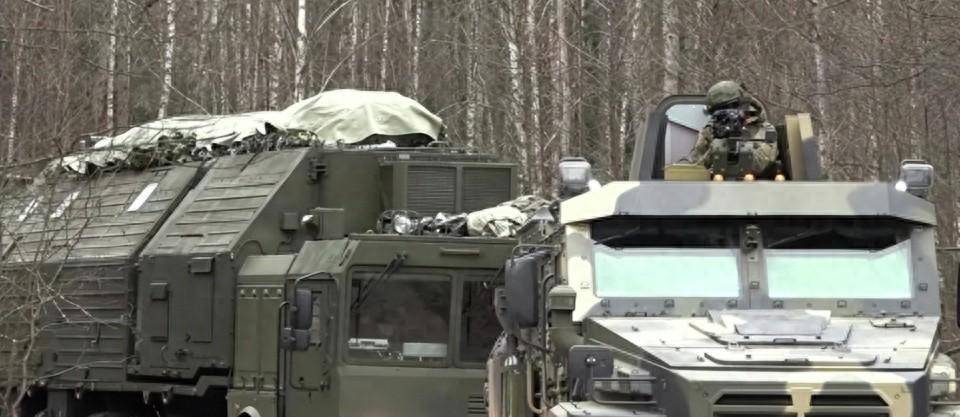
13马赫撕裂夜空!俄罗斯“榛树”导弹突袭利沃夫,乌克兰能源命脉遭精准斩首
Sou Hu Cai Jing· 2026-01-14 13:18
Core Insights - The article highlights the strategic implications of Russia's "Hazel" hypersonic missile strike on Ukraine's energy infrastructure, marking a significant escalation in the conflict and a shift in warfare dynamics [2][5][9]. Group 1: Military and Strategic Implications - The "Hazel" missile, traveling at speeds of 10 to 13 Mach, successfully targeted Ukraine's largest natural gas storage facility in Lviv, crippling the region's energy supply and causing widespread power outages in Kyiv [2][5]. - The missile's ability to evade Western defense systems, which were unable to detect its trajectory, underscores a critical vulnerability in NATO's air defense capabilities against hypersonic threats [3][5]. - The successful deployment of the "Hazel" missile demonstrates Russia's advancements in hypersonic technology, raising concerns about its potential nuclear compatibility and the implications for future conflicts [5][9]. Group 2: Economic and Energy Impact - The destruction of the Lviv facility exacerbates the energy crisis in Europe, with warnings that natural gas prices could surge by 300%, threatening industrial operations across the continent [7]. - Ukraine's inability to serve as Europe's "backup gas reservoir" could lead to significant economic repercussions, particularly for countries reliant on its energy supplies [7]. - The attack has revealed fractures within NATO, as Eastern European countries call for increased defense measures while Western nations express concerns about escalating tensions [7][11]. Group 3: Geopolitical Consequences - The incident has prompted a reevaluation of global geopolitical alignments, with non-Western countries observing the shifting power dynamics and some beginning to reassess their positions [7][11]. - The article suggests that the traditional military balance has been disrupted, with Russia's hypersonic capabilities challenging NATO's previous advantages in air superiority [9][11]. - The ongoing conflict and the effectiveness of the "Hazel" missile may lead to a redefinition of security frameworks in Europe, as nations grapple with the reality of a new era of warfare [9][11].
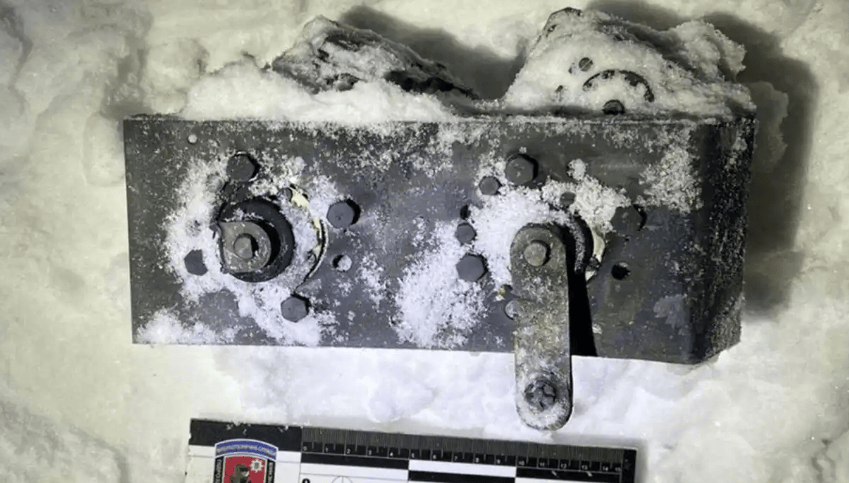
局势升级!俄罗斯大规模袭击!发射7枚巡航导弹!英国重大宣布!
Zheng Quan Shi Bao Wang· 2026-01-14 03:21
Group 1: Core Insights - The ongoing escalation of tensions between Russia and Ukraine has led to significant military actions, including large-scale strikes on Ukraine's energy and military industrial facilities by Russian forces [1][2] - Ukraine's President Zelensky reported that on January 13, Russia launched nearly 300 drones, 18 ballistic missiles, and 7 cruise missiles targeting Ukraine's energy infrastructure, resulting in power outages in multiple regions [2] - The UK has initiated a project called "Nightfall" to rapidly develop a new ground-based tactical ballistic missile to enhance Ukraine's long-range strike capabilities, with plans to increase military support by 2026 [6][7] Group 2: Military Developments - Russian forces have targeted 150 areas, including ammunition depots and temporary deployment sites of Ukrainian armed forces and foreign mercenaries, using precision-guided weapons and drones [2] - Ukraine's armed forces have retaliated by striking a Russian drone factory and other military targets, aiming to weaken Russia's drone production capacity and its ability to conduct airstrikes on Ukrainian civilian infrastructure [3] - The UK defense ministry's new missile project will focus on developing a tactical ballistic missile with a range exceeding 500 kilometers and a payload capacity of 200 kilograms, designed to operate in high-threat environments [6][7] Group 3: Political Changes - Ukraine's parliament has voted to dismiss key defense officials, including the head of the National Security Bureau and the Minister of Defense, amid ongoing military challenges [5] - The dismissals were proposed by President Zelensky and reflect ongoing political shifts within Ukraine's defense leadership [5]

局势升级!俄罗斯,大规模袭击!发射7枚巡航导弹!英国,重大宣布!
Xin Lang Cai Jing· 2026-01-14 02:21
Group 1: Military Actions - Russia's military conducted large-scale strikes on Ukraine's energy and military-industrial facilities, utilizing nearly 300 drones, 18 ballistic missiles, and 7 cruise missiles in a single day [2][8] - Ukraine's armed forces retaliated by targeting Russian drone factories and military installations, aiming to weaken Russia's drone production capacity and its ability to conduct airstrikes on Ukrainian civilian infrastructure [9][10] - The Russian military reported hitting 150 locations, including ammunition and fuel depots, as well as temporary deployment sites of Ukrainian armed forces and foreign mercenaries [8] Group 2: UK Military Support - The UK Ministry of Defence announced the launch of the "Nightfall Project," aimed at rapidly developing a new land-based tactical ballistic missile to enhance Ukraine's long-range strike capabilities [6][14] - The new missile is expected to have a range exceeding 500 kilometers and carry a conventional high-explosive warhead weighing 200 kilograms, with a production cost of no more than £800,000 (approximately $1 million) per missile [14] - The UK plans to award contracts worth £9 million to three teams for the development of the missile, with the initial goal of producing up to 10 systems per month [14] Group 3: Political Developments in Ukraine - Ukraine's parliament voted to dismiss the head of the National Security Service and the Minister of Defence, following a proposal from President Zelensky [12][13] - The dismissals were part of a broader political shake-up amid ongoing investigations into corruption within the parliament, with allegations of bribery involving party leaders [13][5]
局势升级!俄罗斯,大规模袭击!发射7枚巡航导弹!英国,重大宣布!
券商中国· 2026-01-14 02:20
Group 1: Military Actions and Developments - Russia has conducted large-scale strikes on Ukraine's energy and military facilities, utilizing precision-guided weapons and drones, with reports indicating nearly 300 drones, 18 ballistic missiles, and 7 cruise missiles were used in the attacks on January 13 [1][3] - The Ukrainian military has retaliated by targeting Russian drone factories and other military installations, aiming to weaken Russia's drone production capacity and its ability to conduct airstrikes on Ukrainian civilian infrastructure [5][6] - The UK has initiated a project named "Nightfall" to develop a new ground-based tactical ballistic missile to enhance Ukraine's long-range strike capabilities, with a target range exceeding 500 kilometers and a payload of 200 kilograms [12][13] Group 2: Political Changes in Ukraine - The Ukrainian parliament has voted to dismiss key security and defense officials, including the head of the National Security Bureau and the Minister of Defense, following a proposal from President Zelensky [8][9] - The dismissals come amid ongoing investigations into corruption within the Ukrainian government, highlighting the political challenges faced by the administration during the conflict [10][11] Group 3: Future Military Support - The UK plans to award contracts worth £9 million to three teams for the rapid development of the new missile system, with the first three missiles expected to be ready for testing within 12 months [13][14] - The project aims to enhance electronic warfare capabilities and increase production capacity, which could also benefit the UK's military capabilities in the future [14]

俄大规模打击乌军工设施
Xin Lang Cai Jing· 2026-01-13 18:48
Core Viewpoint - The UK is developing a new land-based tactical ballistic missile to enhance Ukraine's long-range strike capabilities in response to ongoing military actions by Russia, including the use of advanced hypersonic missiles against Ukrainian military facilities [4][5]. Group 1: Russian Military Actions - On January 12, Russia announced the use of "Zircon" hypersonic missiles and other precision weapons to target Ukrainian aircraft repair plants and military facilities [3]. - The Russian Defense Ministry reported that the "Zircon" missile struck the Lviv State Aircraft Repair Plant, crippling its operations, which include maintenance of Ukrainian military aircraft and production of drones for long-range attacks [3]. - The strikes also targeted drone assembly facilities in Kyiv and energy infrastructure supporting the Ukrainian military industrial complex [3]. Group 2: UK Missile Development - The UK Ministry of Defence announced plans to develop a new land-based tactical ballistic missile under the "Nightfall Project," aimed at providing Ukraine with enhanced long-range strike capabilities [4][5]. - The missile will have a range exceeding 500 kilometers and be capable of carrying a 200-kilogram conventional high-explosive warhead, designed to operate in high-threat environments with strong electronic interference [5]. - The estimated cost per missile is expected to be under £800,000 (approximately $1 million), with an initial production target of up to 10 systems per month [5]. Group 3: Project Implementation - The UK plans to award contracts worth £9 million to three teams for the design and development of the first three missiles, which are to be delivered within 12 months for testing [5]. - The "Nightfall Project" will focus on rapid prototyping, enhancing electronic warfare resistance, and scaling up production within the UK [5].

俄罗斯再发动大规模袭击
Zhong Guo Ji Jin Bao· 2026-01-13 06:52
Group 1 - Russia has launched a large-scale and precise attack on Ukrainian aircraft repair plants and military facilities using "Zircon" hypersonic missiles, "Iskander" missiles, and "Kalibr" cruise missiles [2] - The attack on January 9 targeted the Lviv State Aircraft Repair Plant, which is responsible for repairing military aircraft, including F-16s provided by Western countries, and producing medium and long-range attack drones [2] - The Russian Defense Ministry stated that the strikes were a response to an attack on President Putin's residence, although specific targets were not disclosed [2] Group 2 - The UK is developing a new land-based tactical ballistic missile to enhance Ukraine's long-range strike capabilities, with a project named "Nightfall" [3] - The missile will have a range exceeding 500 kilometers and be capable of carrying a 200-kilogram conventional warhead, designed to operate in high-threat environments [3] - The UK plans to award contracts worth £9 million to three teams for the development of the missile, with the first three prototypes expected to be delivered within 12 months for testing [3]