优必选Walker系列

Search documents
机器人概念股上涨,机器人ETF、机器人50ETF涨超3%
Ge Long Hui A P P· 2026-01-16 04:49
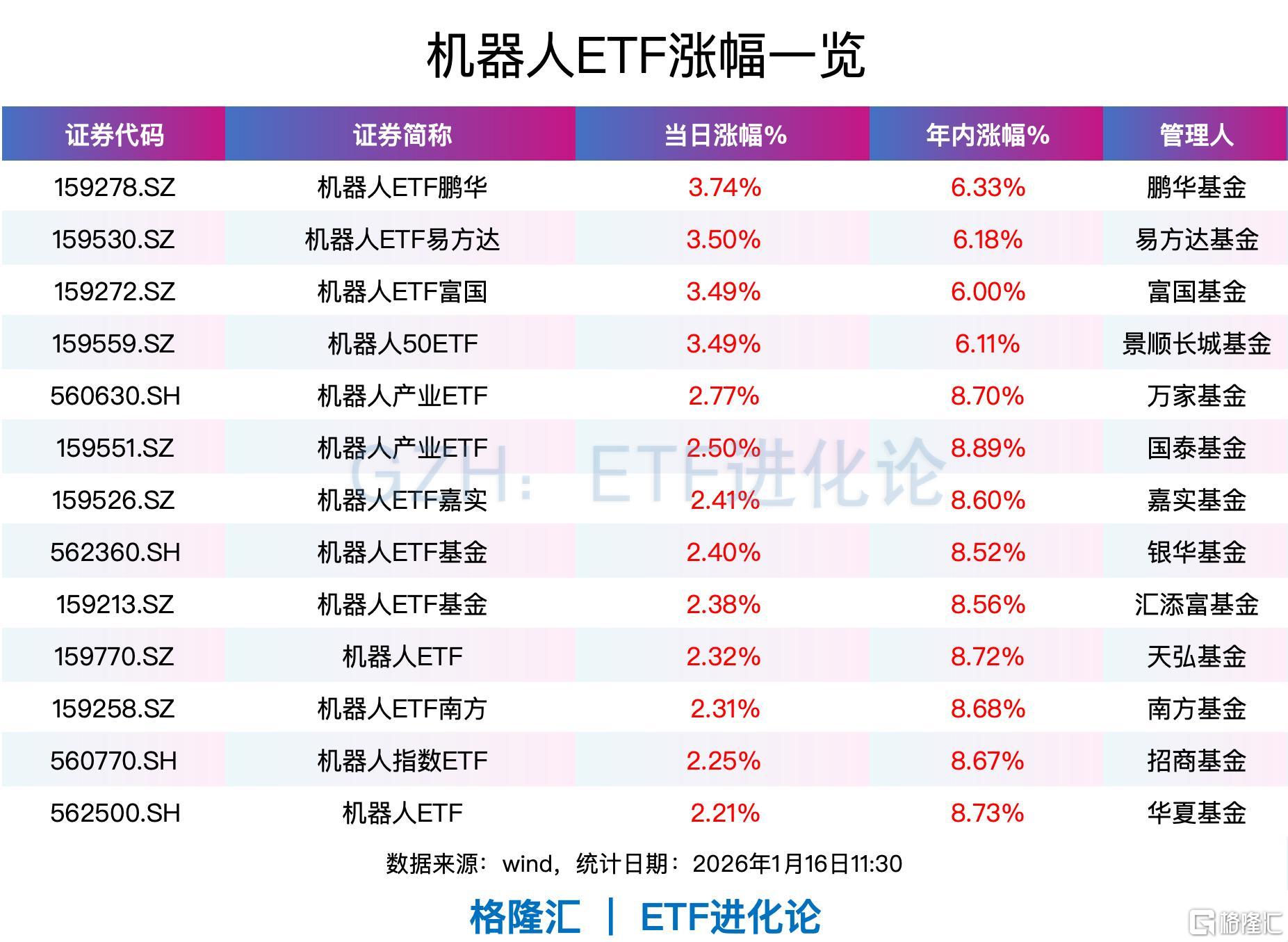
Group 1: ETF Performance - Multiple robot ETFs, including Penghua, E Fund, and Fortune, saw gains exceeding 3%, with Penghua Robot ETF rising by 3.74% and E Fund Robot ETF by 3.50% [1][3] - The overall performance of various robot ETFs indicates a strong interest in the robotics sector, with several ETFs showing increases between 2.21% and 3.74% [1][3] Group 2: Industry Insights - The E Fund Robot ETF tracks the Guozheng Robot Industry Index, focusing on the humanoid robot supply chain, with humanoid robots comprising 75.13% of its holdings, significantly higher than similar indices [5] - The ETF's composition includes leading companies in the industry, with the top ten holdings accounting for 52% of the portfolio, featuring key component manufacturers and system integrators [5] - At CES 2026, Chinese humanoid robot companies showcased their advancements, with over 28 companies participating, highlighting China's technological capabilities in the field [7] - Notable products displayed included the full product line from Zhiyuan Robotics and interactive humanoid robots from other companies, demonstrating the industry's innovation [7] Group 3: Global Developments - International companies also presented their humanoid robots at CES 2026, with LG and Boston Dynamics unveiling new models aimed at home and industrial applications, respectively [8] - The advancements in humanoid robots are expected to enhance their integration into various sectors, including manufacturing, where they can potentially replace traditional labor due to their efficiency [9]


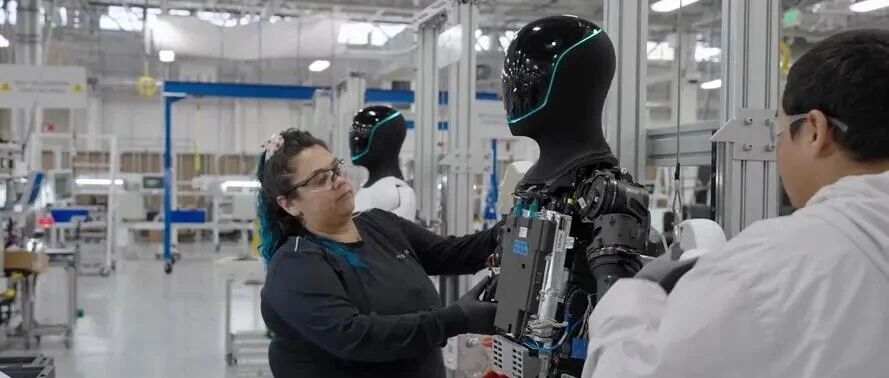
人形机器人的头部,绝非多余的 “装饰”
机器人大讲堂· 2025-11-15 10:18
Core Viewpoint - The article discusses the importance of humanoid robot head design, arguing that it is essential for perception, interaction, and structural optimization, contrary to the view that humanoid features are unnecessary [1][22][25]. Group 1: Perception Capabilities - The head of humanoid robots serves as the optimal platform for sensory systems, directly influencing the precision, range, and efficiency of perception [3][5]. - Human-centric design principles dictate that the head's height aligns with human eye level (approximately 1.5-1.7 meters), maximizing the robot's ability to perceive its environment [3][4]. - Without a head, sensory devices would be poorly positioned, leading to decreased recognition accuracy and limited environmental awareness [4][8]. Group 2: Interaction and Social Integration - The head is crucial for emotional connection and interaction, especially in service scenarios like healthcare and education, where human-like features enhance user acceptance [10][11]. - Proper layout of interaction devices (speakers, displays) on the head aligns with human communication habits, improving interaction efficiency [11][13]. - Humanoid robots with heads can simulate human expressions, reducing psychological barriers and fostering trust during interactions [10][13]. Group 3: Structural and Control Optimization - The head contributes to the robot's structural balance, with its weight distribution mimicking human proportions to ensure stability during movement [15][17]. - Key control modules are often integrated into the head, allowing for rapid processing and response to sensory input, enhancing operational safety [15][17]. - Advanced neck designs in humanoid robots improve dynamic perception and interaction capabilities, further emphasizing the head's structural significance [17][18]. Group 4: Technological Evolution and Industry Trends - The design of humanoid robot heads is evolving towards lightweight, high-integration, and functional solutions, addressing earlier criticisms of impracticality [18][21]. - Major industry players are investing in head design, recognizing its role in driving technological advancements across the robotics ecosystem [21][25]. - The head is seen as a "soul carrier" of humanoid robots, embodying the blend of technical rationality and humanistic needs, essential for future developments in the field [22][23].