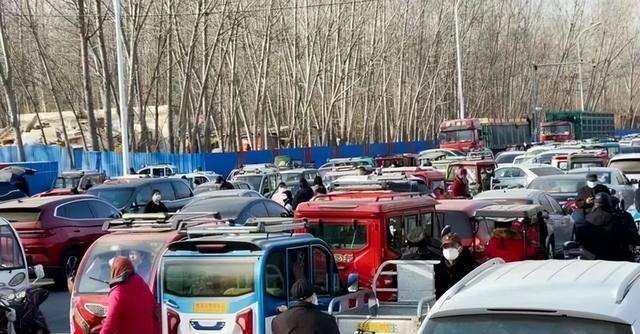
低速电动车(老头乐)

Search documents
“老头乐”企业起诉小米汽车外观专利无效 最新回应:已达成和解
新华网财经· 2026-03-26 12:59
26日下午,记者在国家知识产权局"中国专利审查信息查询"系统发现,截至目前,上述三个专利号的案件状态均显示为"专利权维持"。 据多家媒体此前报道,燕鲁新能源曾对小米汽车三件外观设计专利提起无效宣告请求,三件专利分别是——后保险杠(申请号/专利号 2023300280286)、前保险杠(申请号/专利号2023300278040)、前大灯(申请号/专利号2023300276401)。有媒体对比专利图纸 与小米汽车实车外观后,称这三项设计均为小米SU7、YU7车型的核心外观特征。按照相关流程,该专利无效宣告案件将于3月26日上午进 行现场口审。 小米汽车三项外观专利目前维持有效。网页截图 针对该案进展,记者随后拨打了国家知识产权局咨询电话。工作人员在查询后表示,相关专利的费用信息中显示,有缴纳无效宣告请求费 的记录,但尚未下发无效宣告审查决定。工作人员进一步解释称,在案件审查过程中,专利的法律状态不会改变,目前仍显示为"专利权维 燕鲁新能源针对小米汽车外观专利提起无效宣告请求。网络图 持",即专利处于有效状态。对于记者询问的当天上午是否进行过现场口审,工作人员表示无法查询该信息,并建议留意专利业务办理系统 网站后续 ...


从满街乱窜到销声匿迹,谁杀死了中国县城的“三无神车”?
Sou Hu Cai Jing· 2026-01-23 23:06
Core Insights - The low-speed electric vehicle market, known as "old man happiness," has seen significant growth in rural and county areas of China, driven by affordability and practicality for older residents [2][4][7] - The market experienced rapid expansion post-2013, with production reaching 1.233 million units by 2018 and a market size growing from 24 billion in 2015 to 81.2 billion in 2023, reflecting a compound annual growth rate of over 16% [5][7] - However, safety concerns have emerged due to the vehicles' poor construction and lack of safety features, leading to a high accident rate and prompting regulatory responses [9][10][12] Market Growth and Dynamics - The low-speed electric vehicle market filled a transportation gap for older adults who previously relied on walking or bicycles, with prices ranging from a few thousand to twenty thousand yuan [4][7] - By 2018, the number of vehicles in use surpassed ten million, with production concentrated in Shandong and Henan provinces, where over a thousand manufacturers operated [5][7] - The market's rapid growth attracted attention from traditional automakers, but the vehicles effectively addressed transportation needs in rural areas [7] Regulatory Challenges - Safety issues became apparent, with significant accident statistics reported between 2013 and 2021, leading to increased government scrutiny and regulatory measures [10][12] - In response to safety concerns, the Ministry of Industry and Information Technology and other agencies implemented stricter regulations starting in 2018, resulting in a sharp decline in production from 850,000 units in 2019 to 32,000 in 2021 [12][14] - By 2024, Beijing plans to ban low-speed electric vehicles entirely, with other regions following suit, leading to a projected halving of the vehicle population by 2025 [14][16] Industry Transformation - Many small manufacturers have struggled to adapt to the new regulatory environment, with a significant number going out of business, while larger companies attempt to pivot towards compliant electric vehicle models [14][19] - Some companies have found success in exporting vehicles, with one manufacturer reporting a 23% revenue increase in 2025, indicating a shift towards international markets [19] - The industry is moving towards standardization and safety improvements, with new vehicle types being approved for production and a focus on technological advancements [21][22]