佛手牌味精

Search documents
中国人100年生活需求小史
经济观察报· 2026-02-10 11:43
Core Viewpoint - The article emphasizes the evolution of consumer needs in China over the past century, transitioning from basic availability to a focus on quality and personalization, indicating a shift towards a "life economy" where individual preferences drive demand [1][41]. Group 1: Historical Context of Consumer Needs - In 1927, the emergence of modern department stores in Shanghai marked the beginning of a new consumer culture, showcasing the initial signs of modern needs [2][6]. - The 1960s saw a focus on basic needs, with a notable example being a popular cookbook that sold 1.9 million copies, reflecting the scarcity and basic demands of the time [12][14]. - The 1980s introduced foreign brands like Coca-Cola, KFC, and McDonald's, which sparked consumer excitement and marked a significant shift in the availability of diverse products [21][22][26]. Group 2: Evolution of Consumer Preferences - The article highlights that consumer preferences have evolved from merely having access to products ("有没有") to questioning their quality ("好不好") [31][37]. - The rise of e-commerce and social media platforms has transformed shopping habits, making it easier for consumers to express their needs and preferences [35][36]. - The "life economy" is characterized by a focus on personalized and diverse consumer demands, as seen in the case of brands responding to specific user needs [40][41]. Group 3: Future Trends in Consumer Behavior - The "2026 Life Economy Report" indicates a need for businesses to adapt to insufficient domestic demand and to cater to the increasingly complex and individualized consumer preferences [33][35]. - The future commercial ecosystem will prioritize diversity and the ability to meet varied consumer needs, moving away from traditional mass production models [39][40]. - The ultimate goal remains centered on human needs, emphasizing that the pursuit of a better life continues to evolve with changing consumer expectations [42].


中国人100年生活需求小史
Jing Ji Guan Cha Wang· 2026-02-10 11:42
Core Insights - The article discusses the evolution of consumer demands in China over the past century, highlighting a shift from basic needs to a focus on quality and personalization in consumption [2][33]. Group 1: Historical Context - In 1927, Shanghai's department stores marked the beginning of modern consumerism in China, showcasing a shift towards modern needs and desires [2][3]. - By the 1930s and 1940s, Shanghai had 28 out of 61 department stores in China, which became centers for modern consumer life, influenced by Western lifestyles [6][7]. - The introduction of iconic products and services, such as the Conklin pen and the first escalators, represented the modernization of consumer experiences [7][24]. Group 2: Economic Changes - The 1980s marked a significant turning point with the return of Western brands like Coca-Cola, KFC, and McDonald's, which sparked consumer excitement and demand [19][20]. - By 2005, China's exports reached $762 billion, reflecting the country's growing manufacturing capabilities and global economic integration [25]. - The rapid increase in mobile phone ownership from 50,000 to 8 million units in a decade illustrates the explosive growth in consumer technology [22]. Group 3: Current Trends - The 2026 Life Economy Report highlights a current issue of insufficient domestic demand despite China being a leading industrial and agricultural nation [28]. - The rise of e-commerce platforms has transformed shopping habits, making it easier for consumers to express their needs and preferences [29]. - Modern consumers are now focused on personalized experiences, moving beyond basic availability to quality and emotional value in products [30][33]. Group 4: Future Outlook - The article suggests that the future of consumerism in China will revolve around meeting diverse and individualized needs, moving towards a "life economy" where consumer expression drives supply [32][33]. - The shift from a supply-driven market to one that prioritizes consumer desires indicates a significant change in the economic landscape [33].
合川老农民:味精谣言背后,是一场更大的利益和话语之战
Guan Cha Zhe Wang· 2025-03-30 06:53
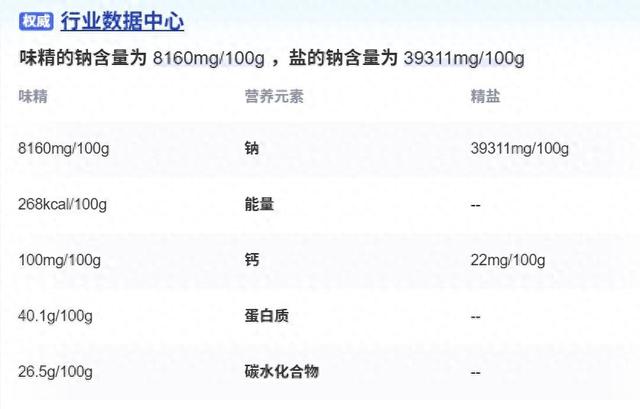
Core Viewpoint - The article discusses the resurgence of Lianhua MSG, a Chinese brand, after overcoming negative perceptions and rumors about MSG's health risks, highlighting the importance of accurate information and effective marketing strategies in the food industry [1][19]. Group 1: Health and Safety of MSG - MSG, primarily composed of monosodium glutamate, is deemed safe by organizations like WHO and FAO, with extensive research supporting its safety as a food additive [3][4]. - Common health concerns regarding MSG, such as its potential carcinogenicity and links to hair loss or obesity, lack scientific backing, and MSG contains less sodium than table salt [5][6]. - The nutritional comparison shows MSG has 8160mg of sodium per 100g, significantly lower than table salt's 39311mg per 100g, indicating that using MSG can help reduce sodium intake [6]. Group 2: Historical Context of MSG in China - MSG was first isolated by Japanese chemist Ikeda Kikunae in 1908, leading to its commercialization as "Ajinomoto" [8][10]. - The production of MSG in China began with Wu Yunchu's water hydrolysis method in 1923, which broke Japan's monopoly and established domestic production [10][12]. - Lianhua MSG emerged as a leading brand in the 1980s, achieving a market share of 43% and becoming the first MSG stock in China by 1998 [12][19]. Group 3: Market Dynamics and Competition - The entry of multinational companies promoting "chicken essence" in the early 2000s led to a significant decline in MSG's market share, as these companies successfully rebranded consumer perceptions [12][14]. - The negative portrayal of MSG was exacerbated by the "Chinese restaurant syndrome" narrative, which originated from a 1968 letter in a medical journal, despite MSG being recognized as safe by the FDA since 1959 [15][16]. Group 4: Revival Strategies for Lianhua MSG - Post-bankruptcy, Lianhua MSG utilized new media to reshape consumer perceptions, showcasing production processes and innovative product ideas like "MSG cocktails" and "MSG ice cream" [19][24]. - The company reported over 100 million in net profit in 2024, indicating a successful turnaround and revaluation of the brand in the market [19][24]. Group 5: Food Safety and Public Perception - The article emphasizes the need for rigorous food safety regulations and accurate public information to combat misinformation and restore consumer trust in domestic products like MSG [20][24]. - It advocates for a multi-faceted approach to food safety communication, combining traditional and new media to effectively educate the public about the safety and benefits of MSG [24][25].