倍莱鲜羊奶粉

Search documents
隆力奇又一产品陷“传销”风波:大豆胚芽粉宣称能治病,背后分级返利
Xin Lang Cai Jing· 2026-03-15 08:52
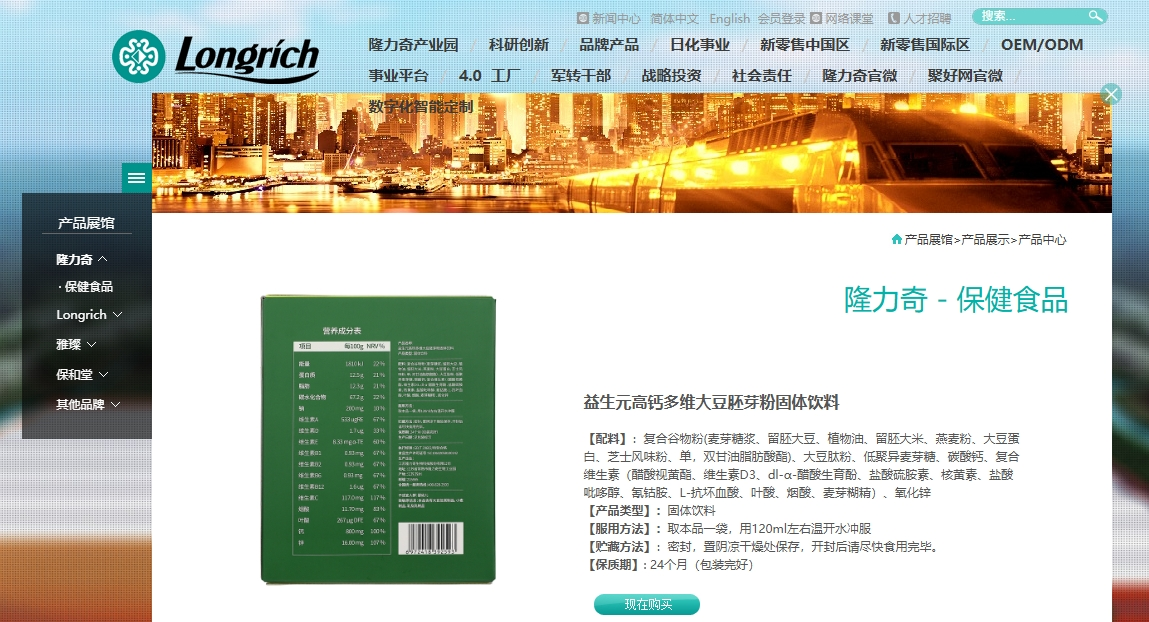
Core Viewpoint - The controversy surrounding Longliqi's product "Probiotic High Calcium Multi-Vitamin Soybean Germ Powder" raises concerns about its marketing practices and potential classification as a pyramid scheme, similar to previous issues with "Bailai Fresh Goat Milk Powder" [1][2]. Group 1: Product Claims and Marketing Practices - Consumers reported unusual behaviors linked to the product, including participation in online training and stockpiling, despite warnings against use by infants [1][3]. - The product lacks registration as a health food with the National Market Supervision Administration, yet is marketed as a health product on Longliqi's official website [1][14]. - Internal promotional materials claim the product can regulate blood sugar and improve brain development, contradicting its labeling as a non-health product [1][8]. Group 2: Sales and Distribution Model - The product's distribution model features a seven-level commission structure, resembling the previously criticized pyramid scheme of "Bailai Fresh Goat Milk Powder" [2][15]. - The marketing strategy includes aggressive recruitment incentives, where participants earn more from recruiting new members than from actual product sales [17][20]. - The absence of the product from official direct sales lists raises questions about its compliance with legal direct selling regulations [19][20]. Group 3: Legal and Ethical Implications - Experts indicate that the product's marketing model may meet the legal definitions of a pyramid scheme due to its reliance on recruitment and team-based compensation [19][20]. - The combination of misleading health claims and a recruitment-focused incentive structure targets consumer health anxieties and desires for financial gain [20][21]. - Longliqi has not responded to inquiries regarding the legality of its marketing practices, indicating a lack of transparency [21].

宣称“15天瘦13斤”,老牌国货旗下产品被举报
Nan Fang Du Shi Bao· 2026-01-12 01:35
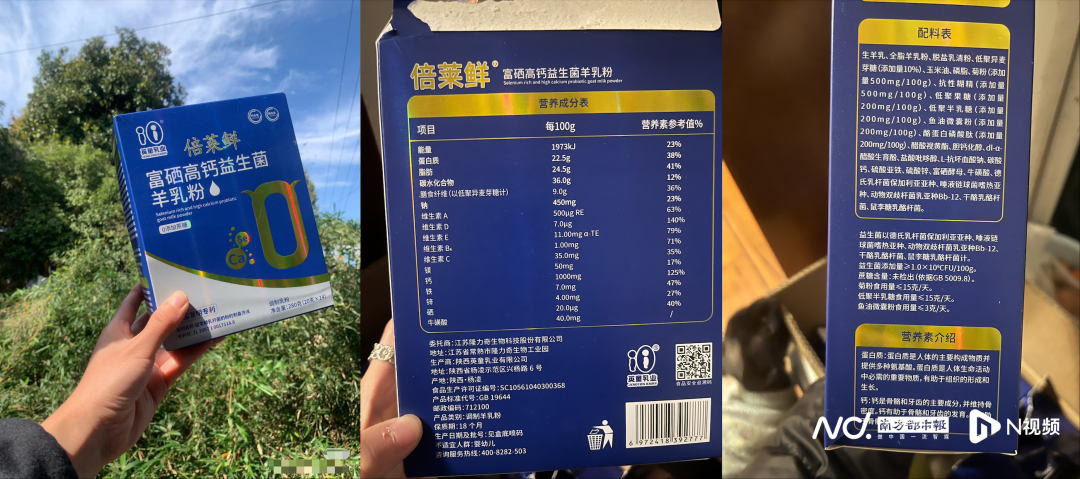
Core Viewpoint - Longliqi, a well-known Chinese daily chemical brand, is facing serious allegations of operating a pyramid scheme through its product "Beilai Fresh Goat Milk Powder," which is not listed as a legitimate direct sales product and is accused of misleading health claims [1][10][20]. Group 1: Company Background - Longliqi was founded in 1986 and has been a representative of national daily chemical brands, known for products like snake oil ointment and hand cream [10]. - The company obtained a direct sales license in July 2009, which is limited to cosmetics, health foods, and cleaning products, covering a total of 87 specific products [10][15]. Group 2: Allegations of Pyramid Scheme - Reports indicate that "Beilai Fresh Goat Milk Powder" is marketed under a direct sales model that resembles a pyramid scheme, with participants encouraged to recruit others for financial rewards [15][20]. - The promotional materials for the product claim unrealistic health benefits, such as "losing 13 pounds in 15 days" and "improving sleep," which raises concerns about false advertising [3][9]. Group 3: Legal and Financial Issues - Longliqi is currently embroiled in multiple legal disputes, with a total execution amount exceeding 800 million yuan [1][20]. - The company has been flagged for having 50 risk entries, including 9 equity freezes, and has significant tax debts [20]. - As of June 2024, Longliqi's subsidiaries have been involved in cases with execution amounts reaching over 6 billion yuan [20]. Group 4: Marketing and Sales Practices - The marketing strategy for "Beilai Fresh Goat Milk Powder" involves a complex structure that incentivizes recruitment, which is against the regulations governing direct sales [15][20]. - Participants have reported being drawn into sales teams through social media, where they are encouraged to promote the product and recruit others, creating a hybrid online and offline marketing model [20].
倍莱鲜不在直销产品名录内 疑“拉人头”返利发展下线
Nan Fang Du Shi Bao· 2026-01-08 23:12
Core Viewpoint - Longliqi, a well-known Chinese daily chemical brand founded in 1986, is facing serious allegations of engaging in pyramid scheme activities through its product "Beilai Xian Goat Milk Powder," which is not listed in its legal direct sales product catalog and has been promoting health benefits without proper certification [3][6][7]. Group 1: Allegations and Investigations - Consumers have reported that Beilai Xian Goat Milk Powder is marketed under a direct sales model that resembles pyramid schemes, with clear tiered commission structures based on recruitment and sales [4][5]. - Promotional materials for Beilai Xian claim unrealistic health benefits, such as "lose 13 pounds in 15 days" and "improve sleep quality," while also outlining a tiered promotion mechanism based on sales and recruitment [5][6]. - The product is classified as a regular food item and lacks the necessary health food registration, contradicting its promotional claims of health benefits [6][7]. Group 2: Legal and Regulatory Issues - Longliqi's direct sales license only covers cosmetics, health foods, and cleaning products, and Beilai Xian Goat Milk Powder is not included in this list, indicating potential violations of direct sales regulations [6][7]. - The company's operations have evolved into a complex "recruitment" mechanism, offering substantial rewards for bringing in new members, which aligns with characteristics of illegal pyramid schemes [8][9]. - Longliqi has a history of legal issues related to pyramid scheme allegations, with numerous court cases filed against it, highlighting ongoing regulatory scrutiny [8][9]. Group 3: Financial and Business Challenges - Longliqi is under significant financial pressure, with over 50 risk records, including substantial debt and tax arrears, indicating a deteriorating financial situation [11]. - In response to its financial difficulties, Longliqi has launched a new business division for Beilai Xian, aiming for a sales target of 7 billion yuan by 2025, while employing a mixed online and offline marketing strategy [11]. - The company's promotional tactics have shifted to a more covert approach, utilizing social media for initial recruitment and offline training to solidify participant commitment, complicating regulatory oversight [11].