隆力奇蛇油膏

Search documents
宣称“15天瘦13斤”,老牌国货旗下产品被举报
Nan Fang Du Shi Bao· 2026-01-12 01:35
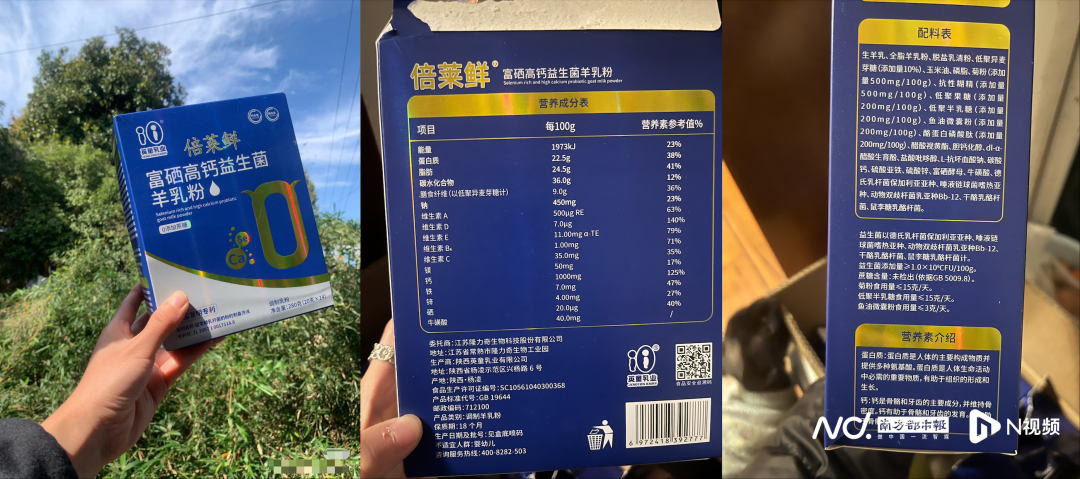
Core Viewpoint - Longliqi, a well-known Chinese daily chemical brand, is facing serious allegations of operating a pyramid scheme through its product "Beilai Fresh Goat Milk Powder," which is not listed as a legitimate direct sales product and is accused of misleading health claims [1][10][20]. Group 1: Company Background - Longliqi was founded in 1986 and has been a representative of national daily chemical brands, known for products like snake oil ointment and hand cream [10]. - The company obtained a direct sales license in July 2009, which is limited to cosmetics, health foods, and cleaning products, covering a total of 87 specific products [10][15]. Group 2: Allegations of Pyramid Scheme - Reports indicate that "Beilai Fresh Goat Milk Powder" is marketed under a direct sales model that resembles a pyramid scheme, with participants encouraged to recruit others for financial rewards [15][20]. - The promotional materials for the product claim unrealistic health benefits, such as "losing 13 pounds in 15 days" and "improving sleep," which raises concerns about false advertising [3][9]. Group 3: Legal and Financial Issues - Longliqi is currently embroiled in multiple legal disputes, with a total execution amount exceeding 800 million yuan [1][20]. - The company has been flagged for having 50 risk entries, including 9 equity freezes, and has significant tax debts [20]. - As of June 2024, Longliqi's subsidiaries have been involved in cases with execution amounts reaching over 6 billion yuan [20]. Group 4: Marketing and Sales Practices - The marketing strategy for "Beilai Fresh Goat Milk Powder" involves a complex structure that incentivizes recruitment, which is against the regulations governing direct sales [15][20]. - Participants have reported being drawn into sales teams through social media, where they are encouraged to promote the product and recruit others, creating a hybrid online and offline marketing model [20].

从沉寂到爆款,老牌国货在拼多多复兴
Sou Hu Cai Jing· 2025-08-21 11:06
Core Viewpoint - The article discusses the revival of old domestic brands in China through new e-commerce platforms like Pinduoduo, highlighting the challenges these brands face and the opportunities presented by changing consumer preferences and digital transformation [1][2][4]. Group 1: Challenges Faced by Old Brands - Many once-popular old brands have faded from public view due to insufficient product innovation, outdated marketing models, and failure to adapt to changing consumer demands [4][6][7]. - The decline of these brands is often linked to their inability to keep pace with market changes, leading to a disconnect between their products and consumer needs [6][7]. - The traditional distribution model relying on layers of distributors has hindered these brands' ability to reach consumers directly, resulting in inefficiencies and delayed market feedback [7]. Group 2: Opportunities for Revival - New e-commerce platforms like Pinduoduo provide a fresh opportunity for old brands to revitalize their market presence by offering new sales channels and allowing for direct consumer engagement [2][8][9]. - Pinduoduo's "100 billion support" plan is a significant initiative aimed at helping these brands by providing financial resources and traffic support, facilitating their transformation and innovation [3][15]. - The rise of consumer interest in domestic brands, driven by a desire for quality and cultural heritage, presents a favorable market environment for the revival of old brands [18][16]. Group 3: Strategies for Success - Old brands are successfully leveraging e-commerce to test new products and gather consumer feedback quickly, allowing for agile responses to market demands [11][13]. - By focusing on niche markets and avoiding direct competition with industry giants, some old brands have found new growth avenues [9][11]. - The combination of innovative marketing strategies and product upgrades has enabled brands like Jincuan to regain their status as leading players in their respective categories [16][18].

从沉寂到爆款,老牌国货在拼多多复兴
华尔街见闻· 2025-08-21 09:28
Core Viewpoint - The article discusses the revival of old domestic brands in China through new e-commerce platforms like Pinduoduo, highlighting the shift from traditional sales models to innovative marketing and product development strategies [2][12][28]. Group 1: Challenges Faced by Old Brands - Many once-popular old brands have faded from public view due to insufficient product innovation, outdated marketing models, and lagging channel transformations [6][8]. - The decline of these brands often begins with a disconnect between their products and market demands, as seen with brands like Longliqi and Jinguang, which failed to adapt to changing consumer preferences [7][25]. - The traditional distribution model relying on layers of distributors has hindered brands' ability to reach consumers directly, resulting in inefficiencies and a lack of responsiveness to market trends [9][10]. Group 2: Opportunities for Revival - The emergence of new e-commerce platforms has provided old brands with a second chance, allowing them to tap into new market segments and consumer bases [12][23]. - Pinduoduo's support for old brands includes avoiding the oligopoly effect by offering niche markets where these brands can compete more fairly against larger players [13][15]. - The "100 billion support" plan from Pinduoduo aims to invest over 100 billion RMB in resources to help brands transition and upgrade their operations [20][21]. Group 3: Consumer Trends and Brand Perception - There is a renewed consumer interest in domestic brands, driven by a desire for quality and cultural heritage, which provides a solid foundation for the revival of old brands [23][24]. - Consumers are willing to pay a premium for products that carry cultural significance and quality assurance, as demonstrated by the success of brands like Jinguang in the snack market [25][26]. - The article emphasizes that old brands can leverage their historical and cultural value to reshape consumer perceptions and stimulate new market demand through innovative products [28][31].