健身房服务

Search documents
消费避坑全攻略:提前预防,让你少花冤枉钱
Xin Lang Cai Jing· 2025-11-25 07:07
Group 1: Pre-Consumption Strategies - Consumers are encouraged to conduct thorough research before making purchases, utilizing various sources such as search engines, social media, and professional forums to gather information about products and services [2] - It is important to critically evaluate user reviews on e-commerce platforms, focusing on negative and neutral feedback to identify genuine product issues while being wary of incentivized positive reviews [3] - The "Red and Black List" from the Black Cat Complaints platform serves as a tool for assessing company reputations, with red-listed companies showing high complaint resolution efficiency and black-listed companies indicating potential issues like fraud or poor service [4] Group 2: In-Consumption Risk Identification - Consumers should compare prices to avoid falling for deceptive pricing strategies, such as "inflated discounts," by using price comparison tools to verify historical pricing [5] - Careful reading of contract terms is essential to avoid hidden pitfalls, such as non-refundable fees or automatic renewals, which can lead to unfavorable situations for consumers [6] - It is advised to use secure payment methods and retain transaction records to facilitate potential claims or refunds in case of disputes [7] Group 3: Post-Consumption Rights Protection - The Black Cat Complaints platform allows consumers to publicly report issues, which can pressure companies to resolve complaints quickly due to the potential impact on their reputation [8][9] - For serious grievances, consumers can escalate complaints to the 12315 platform, which offers a structured approach to handling consumer rights issues with real-time sharing of information among regulatory bodies [10] - The overall emphasis is on proactive measures to prevent issues before they arise, ensuring that consumers are equipped to protect their rights effectively [11]
专为银发女性打造的健身房,开出了两千门店
Hu Xiu· 2025-07-09 05:04
Group 1 - The article highlights the increasing popularity of gyms among elderly individuals in Japan, particularly focusing on a gym chain called Curves that caters specifically to middle-aged and older women [1][4][6] - Curves operates 2000 locations in Japan, surpassing the largest gym chain in China, which has 1500 locations [5][6] - The gym's design and services are tailored to meet the social needs of elderly women, providing a private and comfortable environment free from male presence [12][14][15] Group 2 - Curves has eliminated mirrors in their gyms to reduce social pressure and embarrassment among users, which has led to a high retention rate among women over 60 [18][19] - The workout sessions are structured to last 30 minutes, focusing on low-intensity exercises suitable for older adults, which encourages repeat visits [20][21][22] - The monthly fee for membership ranges from 300 to 400 RMB, and 40% of members also purchase protein powder, contributing to half of the gym's revenue [24][26][27] Group 3 - The article challenges the stereotype that elderly consumers are frugal, suggesting that the "initial elderly" demographic (ages 50-65) possesses significant purchasing power [28][30][32] - Curves' success is attributed to its deep understanding of the needs of this demographic, rather than relying on low pricing strategies [33] - The gym plans to expand by opening facilities specifically for middle-aged men, indicating a growing market for tailored fitness solutions [34][35] Group 4 - The article posits that the "initial elderly" demographic is an ideal consumer group due to their financial stability and lack of debt, combined with a steady income from pensions [36][39] - This demographic has benefited from economic growth during their working years, leading to a favorable financial situation in retirement [37][38] - The trend observed in Japan may inspire similar business models in China, focusing on the needs of the active elderly population [40][41]
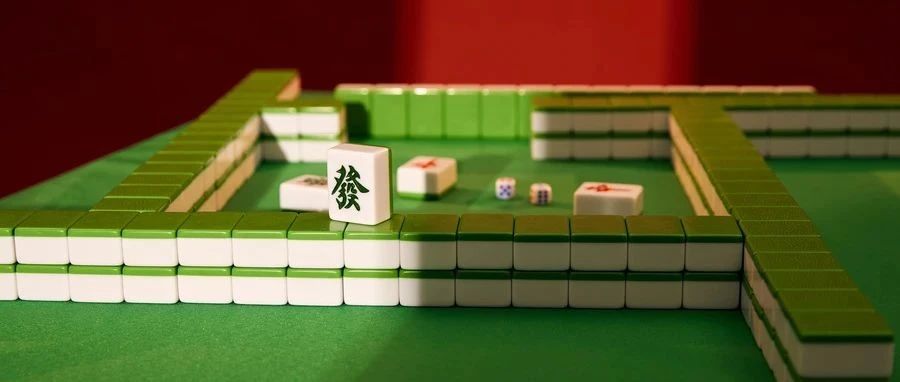
乐刻健身房里就该加麻将桌
半佛仙人· 2025-05-29 04:35
Core Viewpoint - The article suggests that integrating a Mahjong table into fitness centers like LeKe could enhance member engagement and motivation, making workouts more enjoyable and less of a chore [2][6][10]. Group 1: Fitness Industry Insights - The primary issue facing gyms is not the quality of equipment or professionalism of trainers, but rather the low attendance of members who often stop coming after a few visits [2][6]. - The concept of combining Mahjong with fitness activities could transform the perception of workouts from a tedious task to an engaging game, thereby attracting more members [10]. Group 2: Member Engagement Strategies - By introducing a Mahjong table, gyms can leverage the competitive nature of members, encouraging them to participate in fitness activities through game-like penalties and rewards [6][10]. - The article emphasizes that modern individuals are more motivated by immediate gratification rather than delayed rewards, suggesting that integrating fun elements like Mahjong can drive attendance and participation [10]. Group 3: Competitive Landscape - The biggest competition for fitness centers may not be other gyms, but rather places like Mahjong parlors, indicating a shift in how fitness facilities need to think about their offerings [7][10]. - The integration of leisure activities such as Mahjong could help gyms maintain a vibrant atmosphere, especially during off-peak hours, thus increasing overall member retention [10].