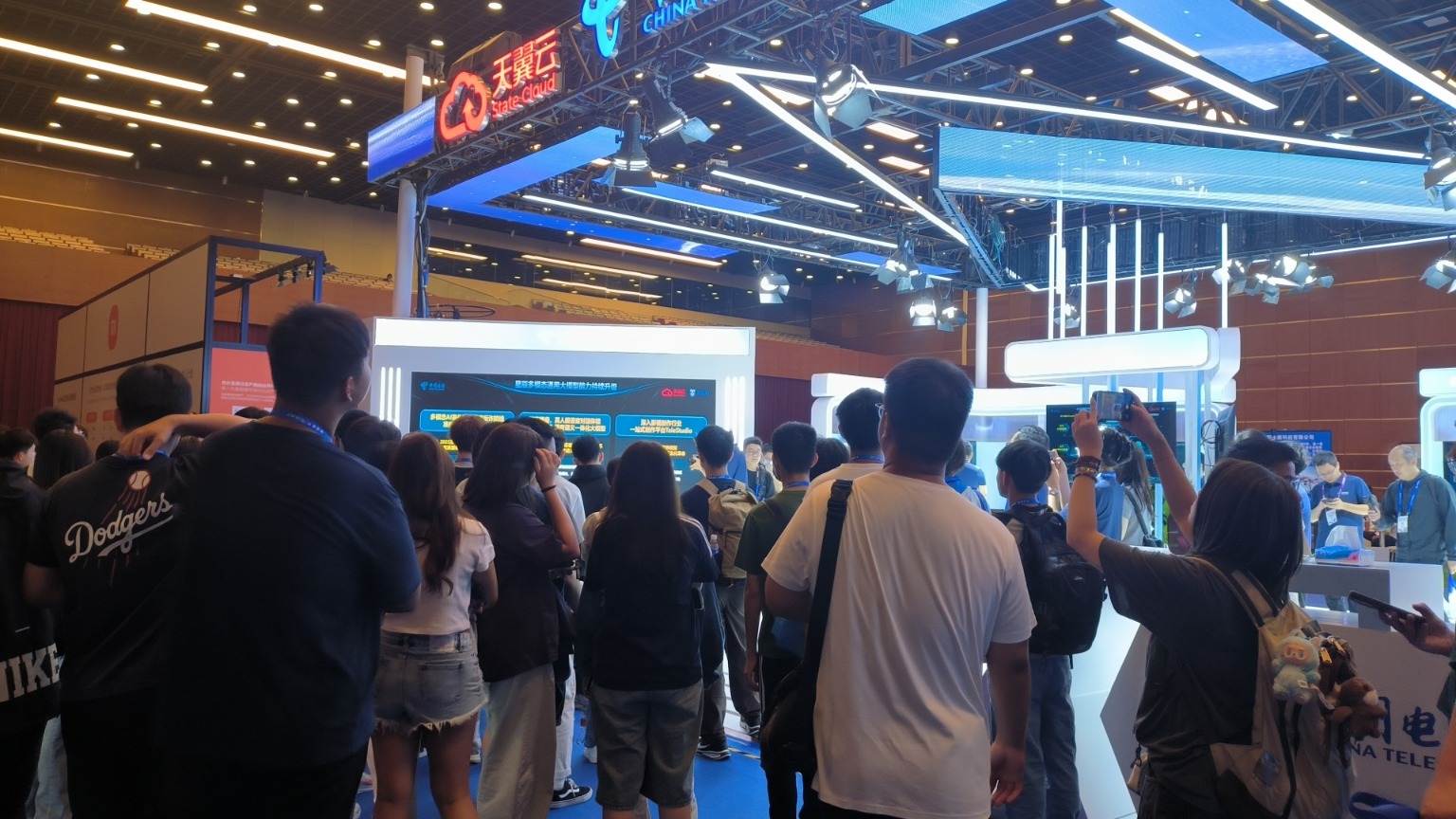
全息数字人

Search documents
非遗承古韵 科技赋新篇
Xin Lang Cai Jing· 2026-01-12 23:10
Core Insights - The event "Cultural and Tourism Public Service Product Exchange Exhibition" was held in Nanning, showcasing cultural and creative products from 14 cities in Guangxi, with participation from 43 cultural enterprises and organizations [3][4] - The integration of technology, such as AI and interactive experiences, was a highlight, enhancing traditional cultural tourism and attracting significant public engagement [3][5] - The event facilitated a platform for cultural and tourism integration, promoting high-quality development in Guangxi's cultural tourism sector [5] Group 1 - The exhibition featured traditional cultural items like Zhuang brocade bookmarks, sugar painting, and Chinese knots, which drew large crowds [3] - The AI technology experience area included attractions like robotic dogs and holographic digital humans, which engaged many visitors [3] - Online participation reached 50,000 viewers, demonstrating effective online and offline interaction [3] Group 2 - A thematic lecture on "AI + Cultural Creation" was presented, along with discussions on the application of AI tools in grassroots cultural creation [4] - The event included a business roadshow where service providers showcased AI solutions for public cultural services and smart tourism [4] - The event's innovative format combined traditional markets with smart technology, providing immersive cultural experiences [5]


新质生产力在科创沃土上“拔节生长”
Yang Guang Wang· 2025-11-23 02:37
Core Insights - Tianjin Kaikai Innovation Park is fostering technological breakthroughs across various sectors, emphasizing the concept of new productive forces through comprehensive empowerment [1][10] Company Developments - Yijia Intelligent has successfully secured its first order for brain-controlled drone technology, marking a significant transition from laboratory research to market application with a million-dollar order and 5 million yuan in financing [2][3] - Galileo (Tianjin) Technology Co., Ltd. has developed fully autonomous "robot dogs" capable of planning patrol routes and avoiding obstacles, showcasing advanced interactive capabilities [4][6] - Yike Huanxiang Technology Co., Ltd. has created a mature AI digital human technology system, with applications in various fields including tourism, education, and medical simulations [7][9] Technological Innovations - The brain-controlled technology developed by Yijia Intelligent addresses core challenges such as brain signal noise reduction and precise command recognition, with potential applications in healthcare and consumer markets [3] - Galileo's products are widely used in security inspections, power grid maintenance, and emergency rescue, achieving a threefold increase in order volume over the past two years [6] - Yike Huanxiang's technology allows for 360-degree viewing of holographic digital performances, enhancing the traditional digital display limitations [7] Ecosystem Support - Tianjin Kaikai Innovation Park integrates educational resources with industry needs through mechanisms like "school liaison officers," facilitating collaboration between over 20 universities and enterprises [9][10] - The park has established a financial support system, providing 1.831 billion yuan in investment to 94 tech enterprises in 2024 alone, and has created a comprehensive support network for R&D and production [9][10] - Over the past two years, the park has registered 682 tech companies and authorized 608 patents, demonstrating a robust environment for innovation and development [10]
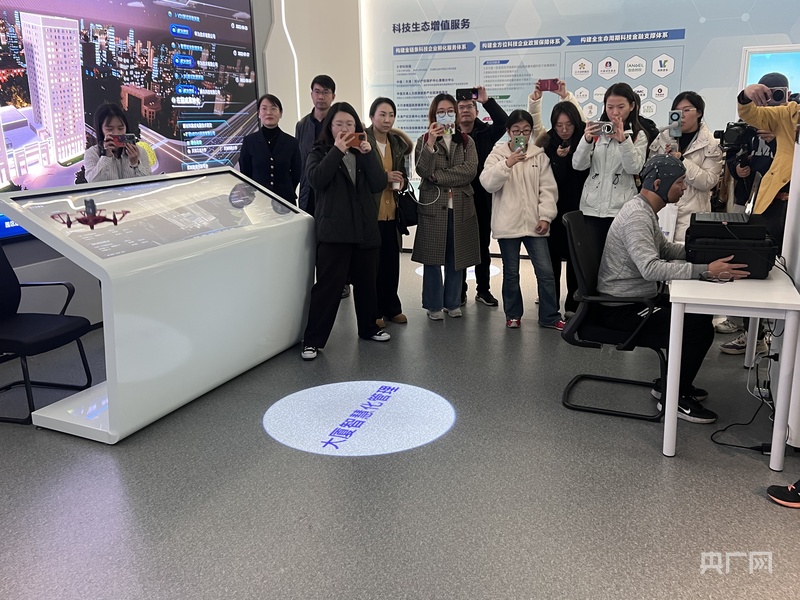
中国互联网大会上,参展的众多AI应用企业不约而同选择这一发展模式,为什么?
Mei Ri Jing Ji Xin Wen· 2025-07-26 16:19
Core Viewpoint - The China Internet Conference held from July 23 to 25 showcased numerous AI-related technologies, with many companies opting for an open-source development model, indicating a significant shift in commercial strategies and business models in the tech industry [1][2]. Group 1: Open Source Development - Open-source represents a different technical route compared to closed-source, reflecting substantial differences in business strategies and profit distribution [2]. - Companies are choosing open-source to enhance collaboration and innovation, allowing for faster development and a more vibrant ecosystem [6]. Group 2: Robotics and AI Applications - A robotics company showcased bipedal robots that perform dynamic movements, primarily focusing on providing open interfaces for schools and developers to customize functionalities [3][5]. - The robots are designed with 3D-printed shells and electric motors, emphasizing the importance of motor torque in robotic performance [5]. - The company aims to support humanoid robot manufacturers, including notable firms like Boston Dynamics, by providing foundational technology [5]. Group 3: Xiaomi's Open Source Initiatives - Xiaomi presented its Vela operating system, which is now fully open-source, aimed at enhancing the development efficiency of other manufacturers and promoting interoperability among devices [6]. - The Xiaomi AIoT training box, also open-source, is designed for educational purposes, allowing partner institutions to implement the system as part of collaborative projects [9]. - A holographic digital human showcased at the event utilizes DeepSeek's open-source code, allowing for cost-effective deployment without licensing fees, with expenses primarily related to computational power for training [9].